







.png)






.webp)








Resolving fire suppression system failures

The Critical Importance of Fire Suppression Systems in Laboratories
.jpg)
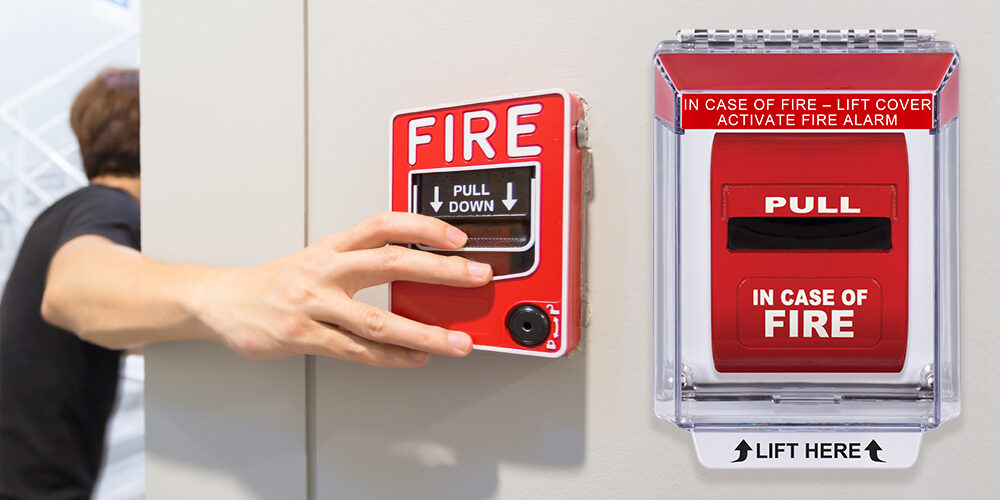
In the realm of scientific research and development, laboratories stand as the epicenter of innovation, where groundbreaking discoveries are made and technological advancements are forged. These specialized environments, however, harbor inherent risks, particularly the potential for fire outbreaks. The presence of flammable materials, volatile chemicals, and intricate electrical systems creates a complex interplay of factors that can lead to catastrophic consequences if not adequately addressed. This is where the paramount importance of fire suppression systems comes into play, serving as a critical safety measure to mitigate the risks associated with fire hazards in laboratories.
Fire suppression systems, meticulously designed and engineered, are the first line of defense against the devastating effects of fire. They act as a vital safety net, safeguarding both human life and valuable research assets. These systems are not merely passive components; they are dynamic and responsive, capable of detecting the early signs of a fire and initiating a rapid and effective response. Their effectiveness hinges on a complex interplay of sensors, actuators, and control mechanisms, all working in concert to contain and extinguish a fire before it can escalate into a major disaster.
The consequences of fire suppression system failures can be dire, ranging from minor disruptions to catastrophic losses. A malfunctioning system can leave a laboratory vulnerable to the ravages of fire, jeopardizing the safety of personnel, compromising valuable research data, and causing significant financial damage. In the worst-case scenario, a fire can lead to the complete destruction of a laboratory, setting back research progress by years and potentially causing irreparable harm to the scientific community.
The need for reliable and robust fire suppression systems in laboratories is undeniable. These systems are not simply a regulatory requirement; they are a fundamental pillar of laboratory safety. Their effectiveness is directly proportional to the level of care and attention given to their maintenance, inspection, and testing. Regular maintenance ensures that the system is in optimal working condition, capable of responding effectively to any fire emergency. Inspections and testing provide a comprehensive evaluation of the system's functionality, identifying potential weaknesses and addressing them before they can lead to catastrophic failures.
The scientific community, encompassing lab technicians, project managers, procurement managers, and C-suites, bears a collective responsibility for ensuring the integrity and functionality of fire suppression systems. It is imperative that all stakeholders understand the critical role these systems play in safeguarding laboratories and the invaluable research conducted within them. This understanding should translate into a proactive approach to fire safety, prioritizing regular maintenance, inspections, and testing, and fostering a culture of vigilance and preparedness.
This article delves into the complexities of fire suppression system failures, exploring the underlying causes, the potential consequences, and the best practices for preventing and mitigating these failures. By shedding light on the critical aspects of fire suppression system maintenance and troubleshooting, this article aims to empower laboratory professionals with the knowledge and tools necessary to ensure the safety and security of their research environments.
The journey to resolving fire suppression system failures begins with a thorough understanding of the system's design, operation, and potential vulnerabilities. This article serves as a guide, providing insights into the intricate workings of fire suppression systems and equipping readers with the knowledge to identify, diagnose, and address potential issues before they escalate into major problems.
By embracing a proactive approach to fire safety, laboratory professionals can significantly reduce the risk of fire suppression system failures, ensuring the safety of their personnel, the integrity of their research, and the continued advancement of scientific knowledge.
Products You may Like
Check out other IT- Tech product that suit your taste
Subscribe to our newsletter
Stay updated with IT-Tech Insights
Related posts
Check out other IT- Tech Scientific Resources
.png)