


.webp)

.webp)
.webp)
.webp)
.webp)

.webp)
Medical Gas Pipeline Systems in Hospitals: Features and Benefits

Hospitals in Singapore depend on reliable infrastructure to support safe and efficient patient care. Among these systems, the medical gas pipeline system plays a critical role by delivering essential gases across different clinical departments.
This centralized network ensures a continuous and controlled supply for clinical procedures. Understanding its core features and operational benefits helps explain why it is indispensable in modern healthcare facilities.
What are Medical Gas Pipeline Systems?
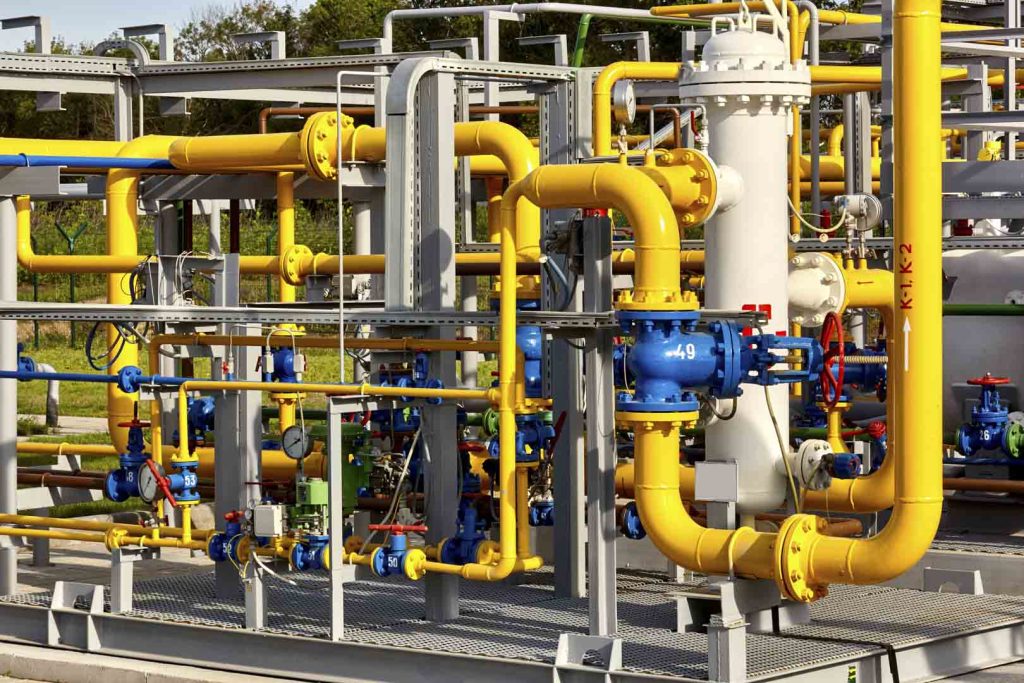
Medical gas pipeline systems are engineered networks that function as a hospital’s central gas supply system, delivering medical gases from centralized storage areas to different treatment locations.
Instead of relying on individual cylinders placed beside patients, these systems use fixed pipelines to distribute gases safely and efficiently. This design ensures that departments such as operating theaters, emergency units, and intensive care areas receive an uninterrupted supply.
By centralizing distribution, hospitals unlock the potential for streamlined workflows, reduced equipment congestion, and an uncompromising standard of safety.
Core Components of a Medical Gas Pipeline System
Several components of a medical gas pipeline system work together to maintain reliable gas distribution.
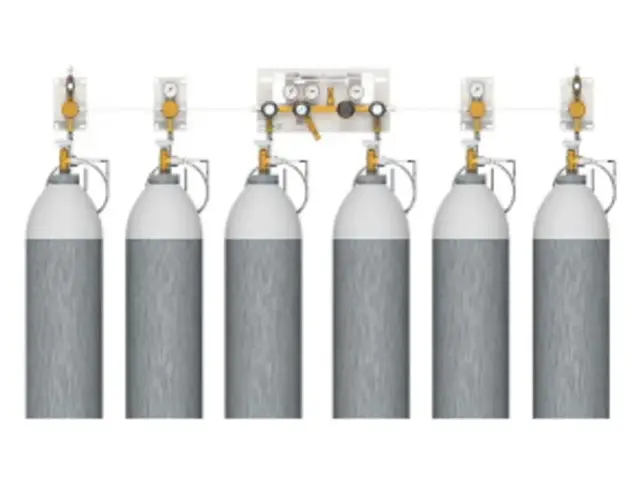
- Supply Sources: They store and generate the gases required for hospital operations. These may include bulk oxygen tanks, cylinder manifolds, or compressors that produce medical air.
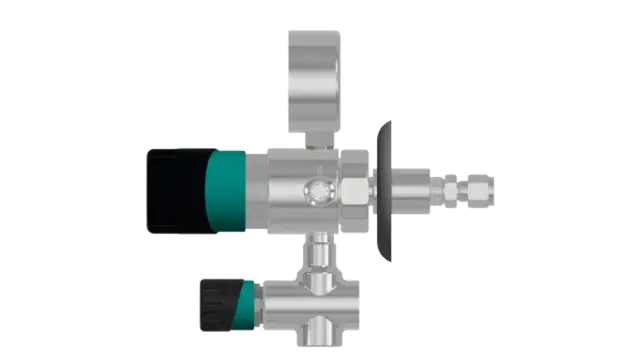
- Control Panels: These units manage the pressure and direction of gas flow throughout the pipeline network, ensuring stable delivery to all clinical areas.
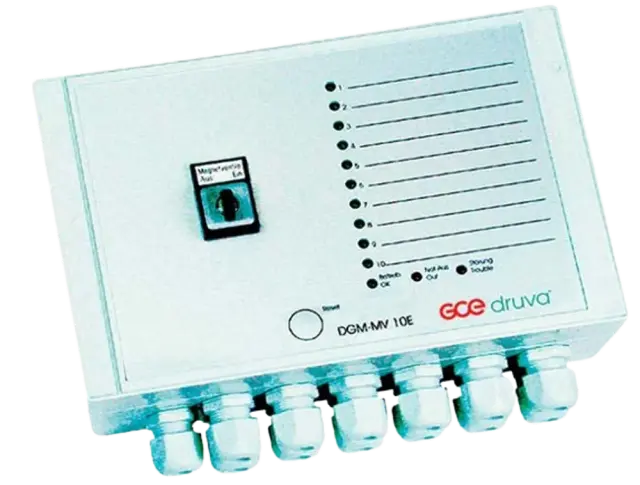
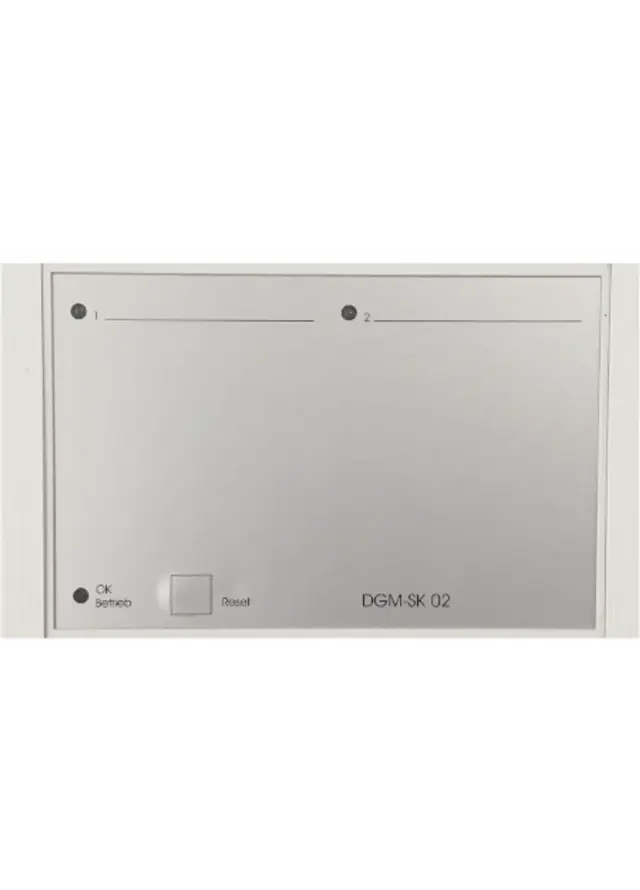
- Real-time Alarm Systems: They continuously track gas pressure and system status. If deviations occur, alerts notify maintenance teams and medical staff immediately.
- Terminal Units: Installed in wards, ICUs, and operating rooms, these outlets allow healthcare professionals to connect devices that require medical gases.
Types of Gases Delivered Through Medical Gas Pipeline System
Medical gas pipeline systems deliver different gases required for a wide range of medical procedures across hospital departments.
1. Oxygen
Oxygen is used for respiration therapy, anesthesia support, and emergency resuscitation.
2. Nitrous Oxide
Nitrous oxide is used as an anesthetic and analgesic agent to help control pain and provide sedation during medical procedures.
3. Medical Air
Medical air is filtered and purified compressed air supplied through the pipeline system. It supports respiratory therapy and operates ventilators and other pneumatic medical devices.
4. Vacuum Systems
In addition to the gases mentioned above, medical vacuum is also included in the hospital’s gas pipeline systems. Although not a gas, it provides controlled suction for surgical procedures and respiratory care, helping remove fluids, clear airways, and support drainage in operating rooms, intensive care units, and patient wards.
Importance of Medical Gas Pipeline System in Hospitals
By delivering life-critical services directly to the point of care, the MGPS empowers medical teams to perform with speed and precision.
Applications
Medical gas pipeline systems support several hospital departments.
- Operating Rooms: In surgical environments, oxygen and nitrous oxide support anesthesia delivery, while medical air can power certain surgical instruments.
- Respiratory Care Units: These units depend on oxygen to support patients with breathing difficulties, and use medical air to power ventilators and respiratory devices that assist patients who cannot breathe independently.
- General Patient Wards: Bedside access to oxygen and medical vacuum allows healthcare staff to respond quickly to patient needs.
Consequences of System Failures
Because hospitals depend on these systems, any disruption can affect both patient safety and operational continuity.
- Patient Safety Risks: Interruptions in oxygen delivery can endanger patients during procedures that require a continuous gas supply.
- Healthcare Service Disruption: System failures can force hospitals to delay or cancel procedures, disrupting treatment schedules.
- Regulatory and Financial Consequences: Equipment failures may result in compliance violations, legal claims, and financial penalties. In addition, hospitals risk reputational damage if system reliability is compromised.
Installation Standards and Regulatory Requirements
Medical gas pipeline systems in hospitals must follow strict engineering and safety regulations.
In Singapore, installations typically align with international standards such as ISO 7396-1, which defines requirements for the design, installation, testing, and commissioning of medical gas and vacuum pipeline systems. These standards cover gases such as oxygen, nitrous oxide, and medical air, as well as monitoring and alarm systems.
Importance of Proper Installation
Proper installation is critical to maintaining a dependable medical gas pipeline system.
- Risk Reduction: Correct system design and installation minimize hazards such as gas leaks, pressure instability, or contamination that could compromise patient safety.
- System Reliability: A well-installed pipeline network ensures stable gas delivery, supporting long-term operational performance across hospital departments.
- Regulatory Compliance: Adhering to recognized standards helps healthcare facilities meet regulatory requirements and maintain consistent safety practices.
Maintenance and Testing Requirements
Medical gas pipeline systems require regular maintenance and testing to ensure safe and uninterrupted operation.
Routine System Checks
Regular inspections help confirm that the hospital's pipeline system is functioning correctly. These checks typically include leak detection across pipelines, verification that alarm systems operate properly, and confirmation that gas supply sources remain stable and adequately maintained.
Preventive System Servicing
Preventive maintenance focuses on maintaining equipment performance over time. This includes replacing system filters, calibrating pressure regulators to maintain correct gas flow, and testing emergency oxygen supply connections to ensure backup systems function when required.
Maintenance Records and Regulatory Compliance
Accurate documentation of maintenance activities is essential for regulatory compliance. Detailed records allow healthcare facilities to track system performance, remain prepared for safety audits, and demonstrate adherence to healthcare infrastructure standards.
Get Reliable Medical Gas Pipeline Solutions with IT Tech
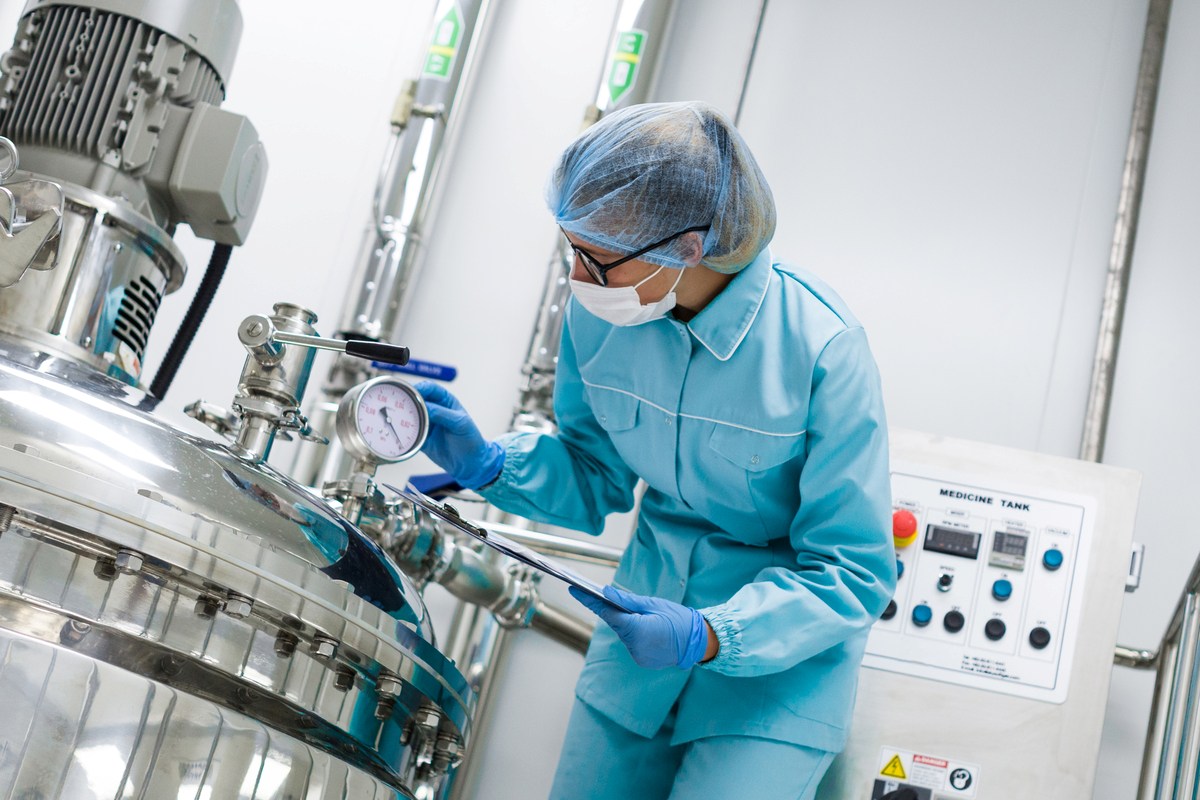
From supporting anesthesia and respiratory therapy to enabling emergency care, medical gas pipeline systems are essential for maintaining safe and efficient hospital operations.
Because of their importance, proper design, installation, and maintenance are vital for long-term reliability. IT Tech provides professional gas piping installation services for hospitals and other medical environments, ensuring systems meet strict safety standards and operational requirements.
Partner with us today for laboratory engineering services designed to support reliable, efficient medical gas infrastructure, whether for hospitals or for projects involving modern laboratory design.
Products You may Like
Check out other IT- Tech product that suit your taste
Subscribe to our newsletter
Stay updated with IT-Tech Insights
Related posts
Check out other IT- Tech Scientific Resources