


.png)


.webp)






Biosafety Cabinet Guide for Safe Laboratory Practices
Introduction: What is a Biosafety Cabinet?
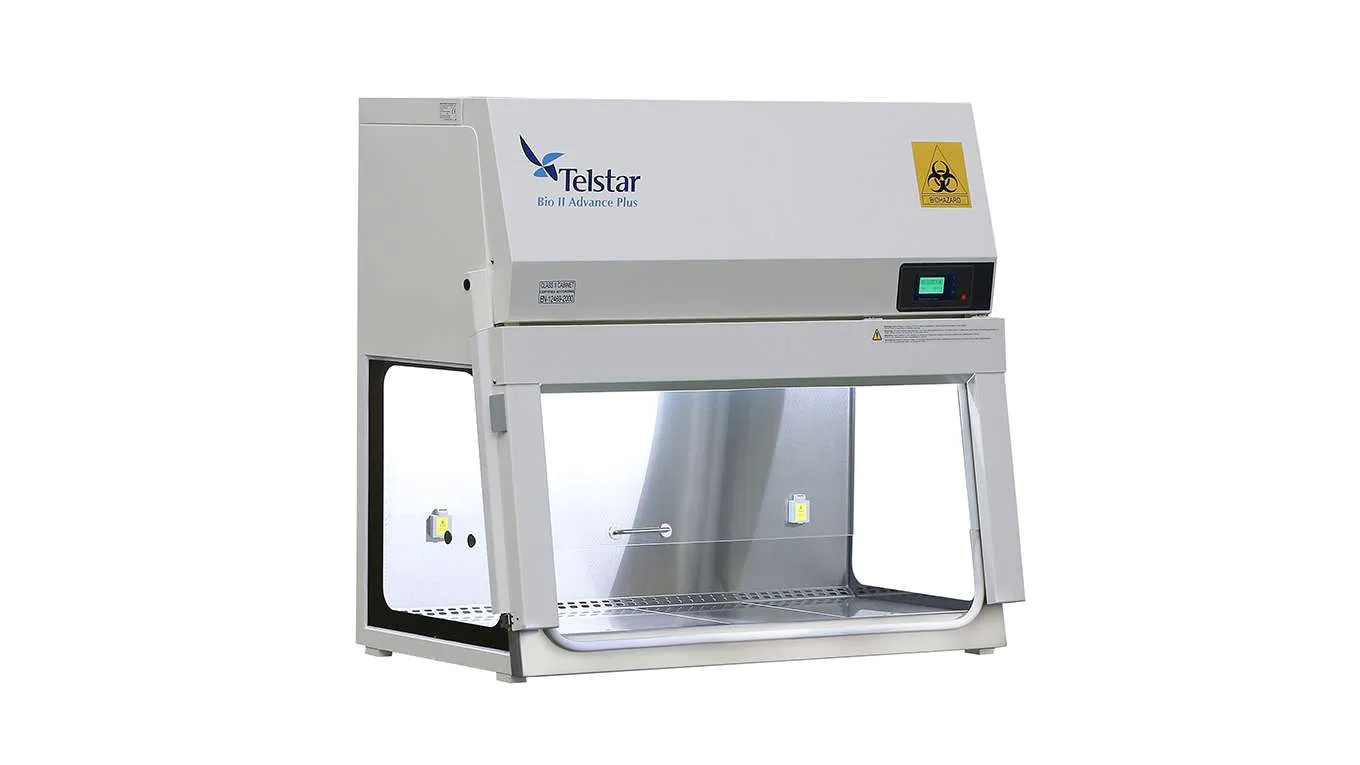
A biosafety cabinet also referred to as a biological safety cabinet, laboratory biosafety cabinet, or biological safety hood is an essential piece of equipment in clinical diagnostics, pharmaceutical research and development, and microbiology labs. Designed to create a safe working environment when handling potentially hazardous biological materials, these specialized enclosed workspaces protect laboratory personnel, samples, and the surrounding environment from biohazard exposure. By maintaining controlled airflow and HEPA filtration, a biosafety cabinet Class 2 or biosafety cabinet Class 3 effectively contains infectious agents, ensuring maximum protection for both operators and experiments.
In this article, you’ll learn:
- What a biosafety cabinet is and how it works.
- The different types of biosafety cabinets.
- Safety precautions before using a laboratory biosafety cabinet.
- Startup and operating procedures for safe laboratory work.
This comprehensive guide will help you understand why biosafety cabinets are essential in any laboratory setting and how to maximize their effectiveness while maintaining safety standards.
How Does a Biosafety Cabinet Work?
A biological safety cabinet operates on three main principles:
- Airflow Control: The cabinet uses carefully directed airflow to protect both the operator and the samples inside. The system draws air away from the user, creating a barrier against contaminants.
- HEPA Filtration: High-Efficiency Particulate Air (HEPA) filters capture hazardous particles before the air is recirculated or exhausted, ensuring no harmful microorganisms escape.
- Physical Barrier: The cabinet’s glass shield and enclosed workspace physically separate the user from biological agents.
By combining these features, a biosafety cabinet ensures maximum protection, making it a critical tool for laboratories working with infectious agents.
Types of Biosafety Cabinets
There are three main classes of biosafety cabinets, each designed for different levels of biological risk and laboratory applications.
Class I Biosafety Cabinets
Class 1 biosafety cabinets provide personnel and environmental protection but no product protection. Air is drawn away from the operator and filtered before exhaust. These cabinets are suitable for basic lab work with low to moderate-risk biological materials.
Class II Biosafety Cabinets
Class 2 biosafety cabinets are the most commonly used in research and diagnostic labs. They provide personnel, environmental, and product protection. Equipped with HEPA filters and laminar airflow, they are available in subtypes such as Type A1, A2, B1, and B2, which vary in how they handle and vent air.
Class III Biosafety Cabinets
Class 3 biosafety cabinets are designed for work with highly infectious agents (BSL-3 and BSL-4). These units are completely sealed and gas-tight with glove ports. Exhaust air is double-filtered or incinerated, offering the highest level of protection for both personnel and the environment.
Precautions Before Using a Biological Safety Cabinet
Before using a laboratory biosafety cabinet, you should conduct a risk assessment for the biological agents you will be handling. Always wear appropriate personal protective equipment (PPE), including gloves, a lab coat, and eye protection. Disinfect all work surfaces thoroughly before and after use to prevent contamination. Check the airflow indicators to ensure the cabinet is functioning properly and safe to use. Arrange your equipment and materials so they do not block the airflow grills. These precautions will help ensure that you are protected and that the cabinet operates effectively during your work.
Startup Procedures for Biosafety Cabinets
Proper startup procedures ensure that your biosafety cabinet class 2 or class 3 operates effectively:
- Turn on the cabinet and allow the blower to run for at least 5–10 minutes before starting work.
- Check airflow alarms to ensure airflow monitors indicate normal operating conditions.
- Disinfect surfaces with 70% ethanol or an approved disinfectant.
- Arrange materials inside the cabinet while keeping airflow pathways clear.
- Perform all work at least 4 inches inside the opening to maintain the sterile zone.
Standard Operating Procedures When Using a Biosafety Cabinet
Following proper operating procedures is crucial for maintaining a sterile and safe environment:
- Work from clean to dirty areas to prevent cross-contamination.
- Minimize rapid movements that disrupt airflow.
- Avoid using open flames; use electric alternatives instead.
- Dispose of waste materials inside the cabinet using appropriate containers.
- Regularly monitor and maintain HEPA filters for maximum efficiency.
- Allow the blower to run for several minutes after completing work to clear contaminants.
- Decontaminate all surfaces and equipment before removal from the cabinet.
Why Biosafety Cabinets Matter
Laboratories often handle infectious agents that pose serious risks to workers, the environment, and the wider community. Exposure to these hazards can lead to severe health issues and contamination incidents.Biosafety cabinets serve as the first line of defense against these risks. By combining airflow control, HEPA filtration, and physical containment, they protect lab personnel, ensure sample integrity, and maintain environmental safety. Investing in a biosafety safety cabinet is not just a precaution it’s a necessity for any lab dealing with biological materials.
Conclusion: Protect Your Lab and Your People
A biosafety cabinet is more than just a piece of equipment it’s a crucial safety tool that safeguards scientists, their work, and the surrounding environment. Whether you need a biosafety cabinet class 2 for general lab use or a biosafety cabinet class 3 for high-risk research, choosing the right cabinet and following proper procedures is essential for safe and efficient laboratory operations.
At IT TECH, we specialize in providing high-quality laboratory biosafety cabinets tailored to your needs. Contact us today or book a free consultation to learn more about selecting the right biosafety cabinet for your laboratory.
Products You may Like
Check out other IT- Tech product that suit your taste
Subscribe to our newsletter
Stay updated with IT-Tech Insights
Related posts
Check out other IT- Tech Scientific Resources