





.webp)
.webp)
.webp)
Laboratory Sample Preparation: Tools and Best Practices
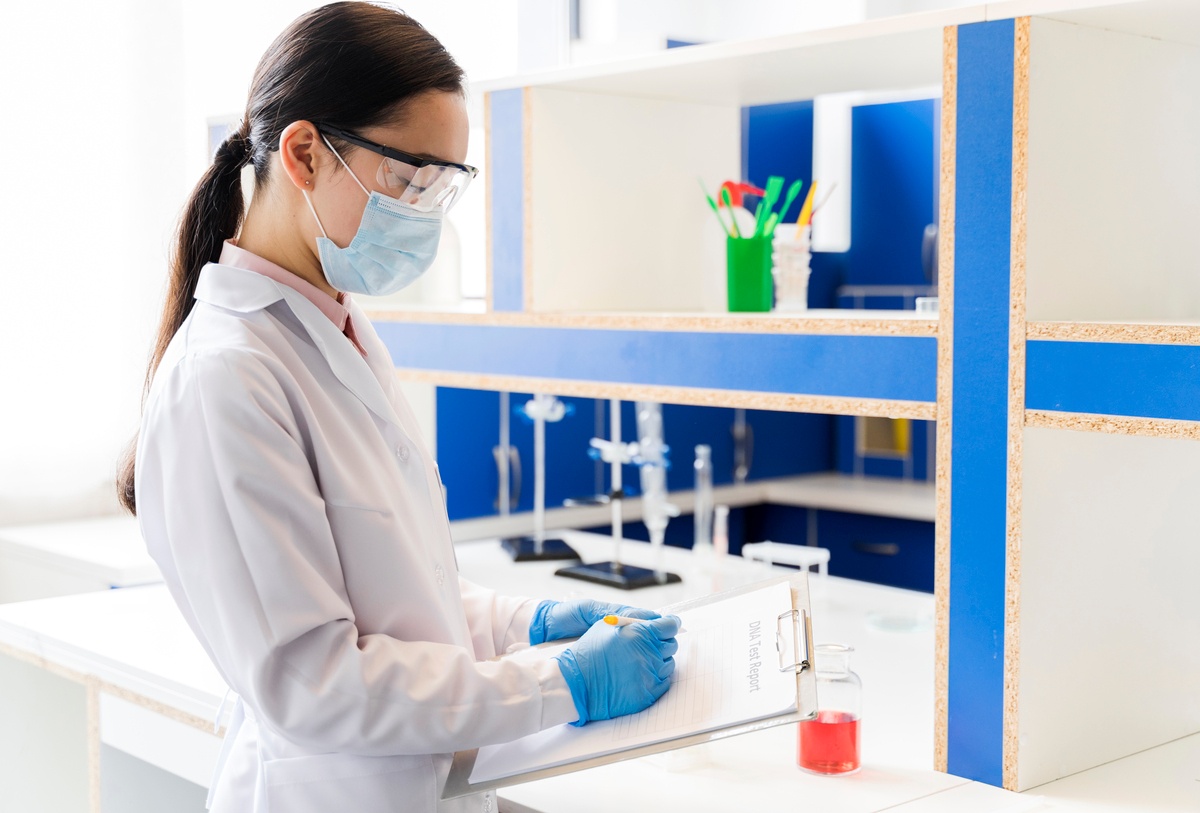
Laboratory sample preparation is the foundational, and often a highly time-consuming, part of any analytical procedure. Without proper sample prep, even the most advanced lab equipment will produce unreliable, misleading, or unusable results.
Getting this initial step right depends on the proper practices and tools, because the right approach ultimately determines the accuracy and reliability of your outcomes.
What is Sample Preparation and Why is it Important?
Sample preparation is the series of steps taken to transform a raw, complex substance into a clean, uniform, and stable form that is suitable for analysis. This step is a mandatory part of the workflow for several reasons.
1. Accuracy
The fundamental goal of all sample preparation tips is to achieve an accurate result. Improper handling at this stage is the largest source of error in the lab.
Errors like a contaminated pipette, a partial extraction, or an incorrectly labeled vial are common. These mistakes can easily cause false positives, false negatives, or flawed quantification.
2. Efficiency
High-quality sample prep is directly linked to the lab's overall workflow efficiency. A well-planned and executed material preparation step drastically reduces the time and cost of the subsequent analysis.
This diligence prevents the need to repeat resource-intensive examinations due to poor specimen quality, clogged instrument columns, or unexpected interferences.
3. Sensitivity
Often, the sample you want to measure exists in trace amounts, hidden within a complex mixture. Preparation techniques are designed to remove this interference and concentrate the analyte.
By eliminating unwanted components and reducing the final specimen volume, a lab can detect substances at much lower concentrations. This capability is vital for fields like forensic toxicology or environmental studies.
4. Reproducibility
For a scientific finding to be valid, it must be reproducible. Standardized sample preparation processes are the only way to ensure an experiment can be reliably performed again with the same result.
Clear, documented protocols minimize human error and ensure that every analytical specimen is treated in the same way, every single time.
How to Prepare Samples in the Laboratory?
A test subject's physical state, whether solid, liquid, or gas, determines the particular approach required for a successful evaluation.
1. Solid Sample Preparation
Handling solids typically involves achieving uniformity and isolating the desired sample.
- Homogenization and Grinding: Homogenization is the process of creating a completely uniform mixture, ensuring every part is the same. Grinding is the physical method used to achieve this for solids, crushing them into a fine powder. This ensures the small portion taken for testing has the same composition as the entire batch.
- Drying and Ashing: Drying draws out moisture that could interfere with the reading, while ashing, which is a high-heat process, decomposes all organic materials. In food science, ashing is a common step to determine the total mineral content.
2. Liquid Sample Preparation
With fluids, the goal is often to separate and purify components from a complex matrix, like blood, water, or a beverage.
- Dilution and Filtration: These are common steps to prepare a liquid specimen for instrument compatibility. Dilution involves adding a solvent to lower a substance's potency, while filtration is used to remove unwanted solid particles from the liquid. A blood sample, for instance, is often diluted to bring its analyte concentration into a measurable range for a spectrophotometer.
- Liquid-Liquid Extraction (LLE): This approach uses two immiscible fluids, such as oil and water, to separate mixtures based on their solubility. It is widely applied to extract pollutants from a mixture using an organic solvent, pulling the specific component from the water into the solvent.
3. Gas Sample Preparation
Gaseous mixtures present unique challenges due to their nature, requiring special handling to prevent contamination or loss of specific substances.
- Gas Collection and Storage: The primary goal of this approach is to capture gas in a way that maintains its integrity. Volatile Organic Compounds (VOCs) are often collected in specialized sampling bags or sorbent tubes that trap the analytical sample and prevent it from escaping.
- Sample Purification: This step is performed to eliminate interfering contaminants. In atmospheric studies, purification techniques are applied to extract water vapor or high-concentration gases, allowing for the accurate measurement of trace-level pollutants.
Methods and Procedures for Sample Preparation
The specific sample preparation techniques used to achieve these goals can be grouped by their underlying mechanism.
1. Physical Methods
Separating and concentrating substances using these procedures involves mechanical force, temperature, or phase changes.
- Evaporation and Concentration: These techniques evaporate solvent from a specimen. This reduces the final volume, which in turn increases the concentration of the specific analytes, making them easier to detect.
- Filtration: Filtration is a straightforward method for removing solid particles from a liquid or gas by passing it through a membrane. A common application is filtering a solution to remove precipitates before injection into an HPLC system.
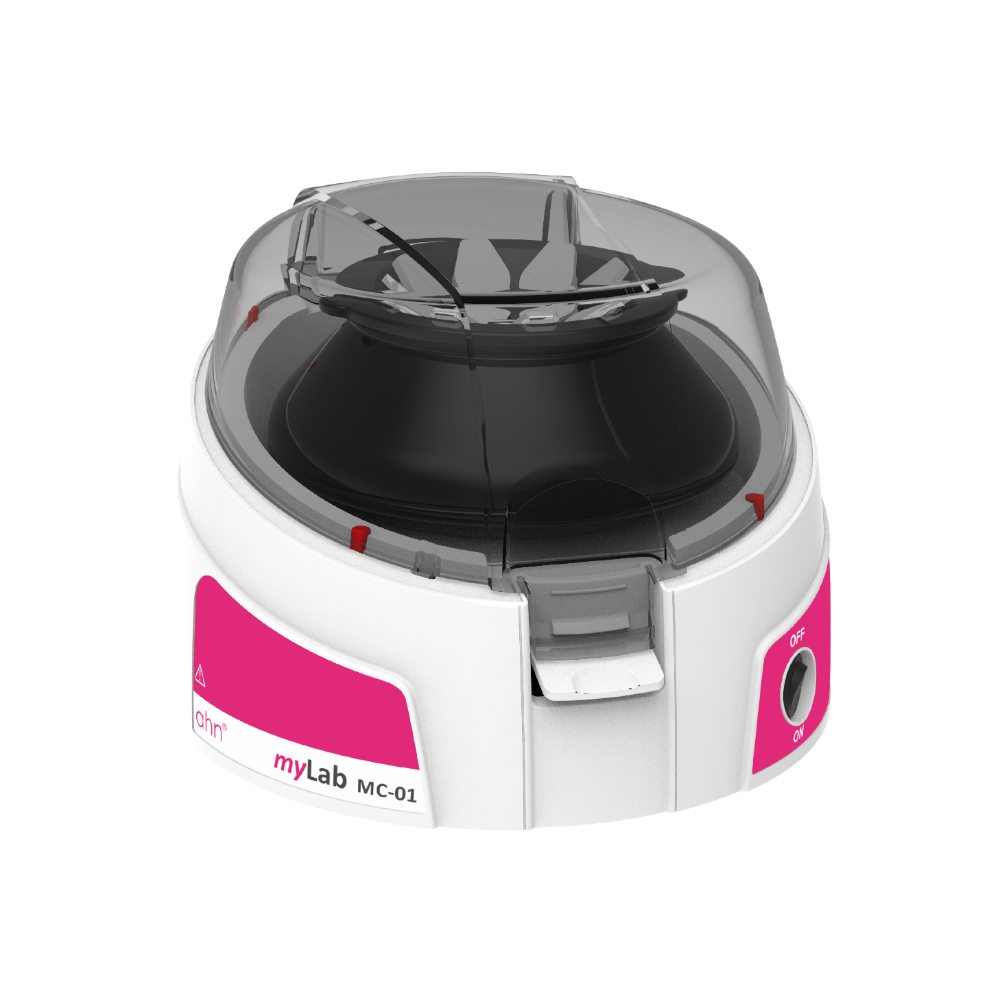
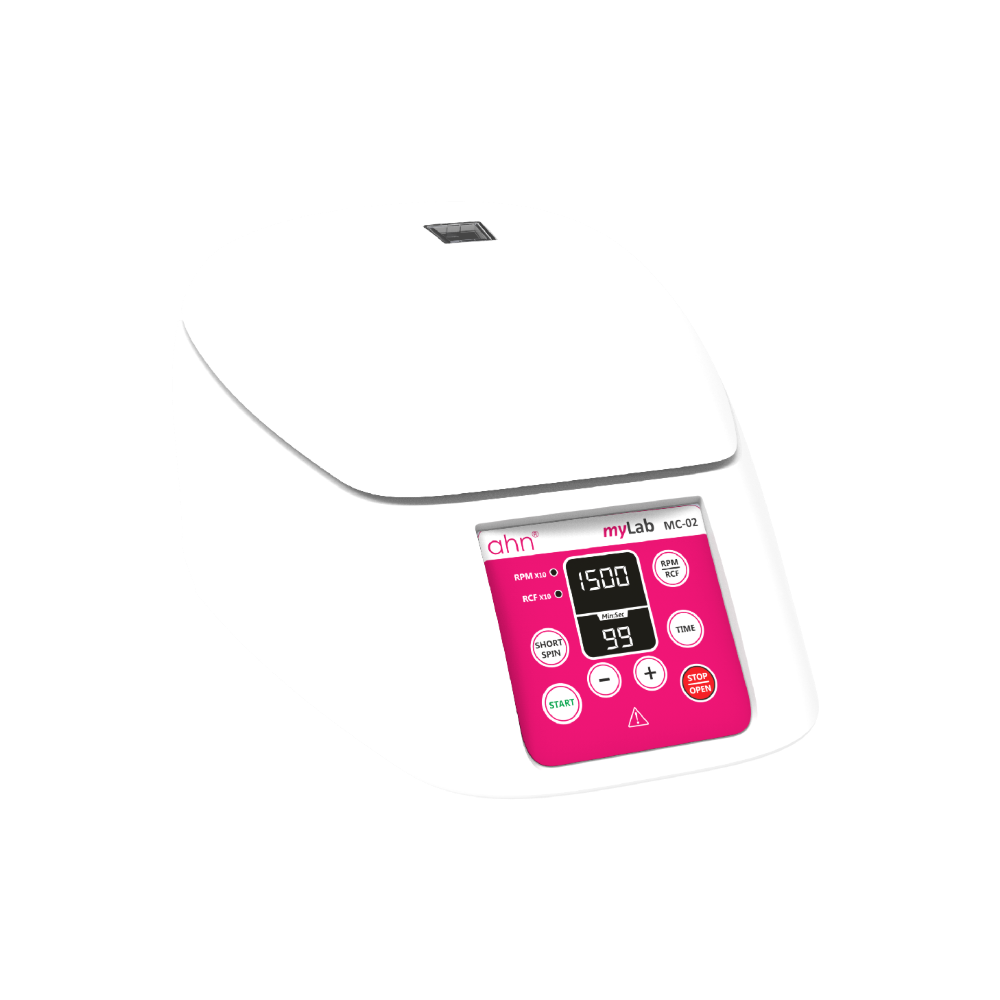
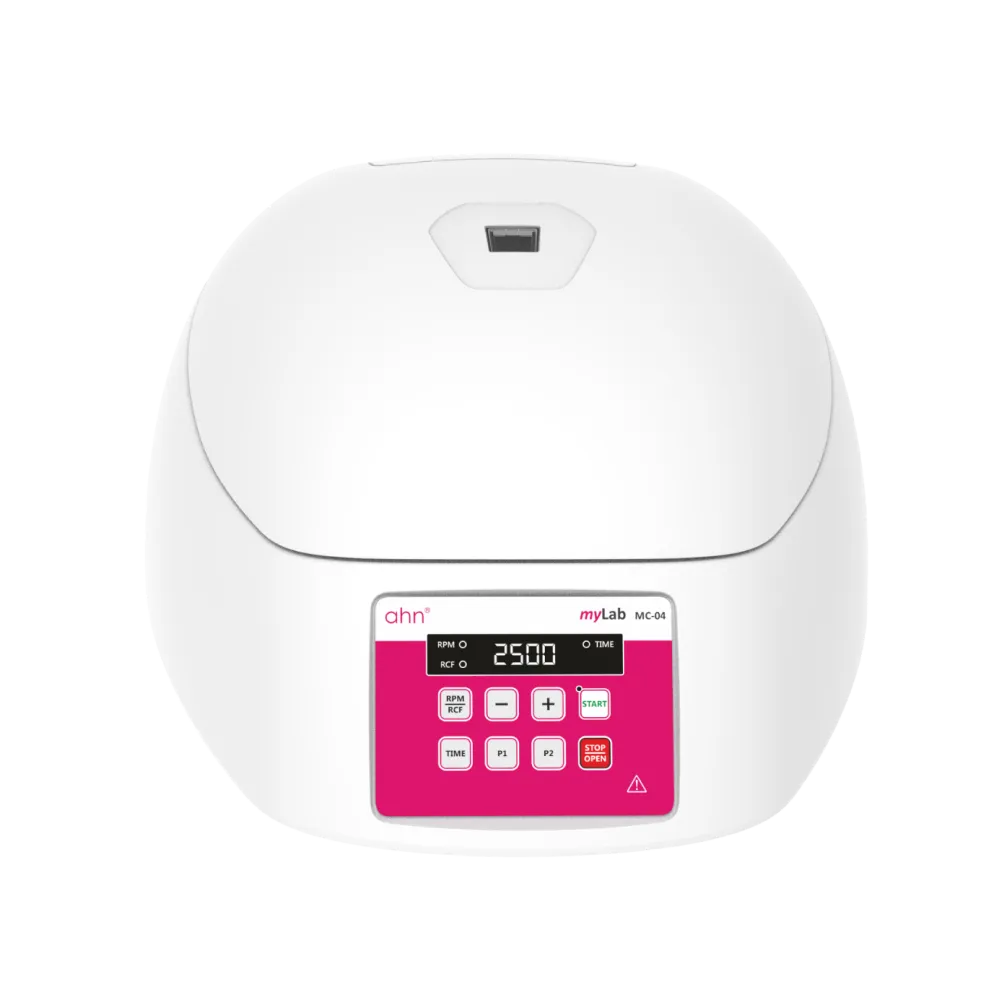
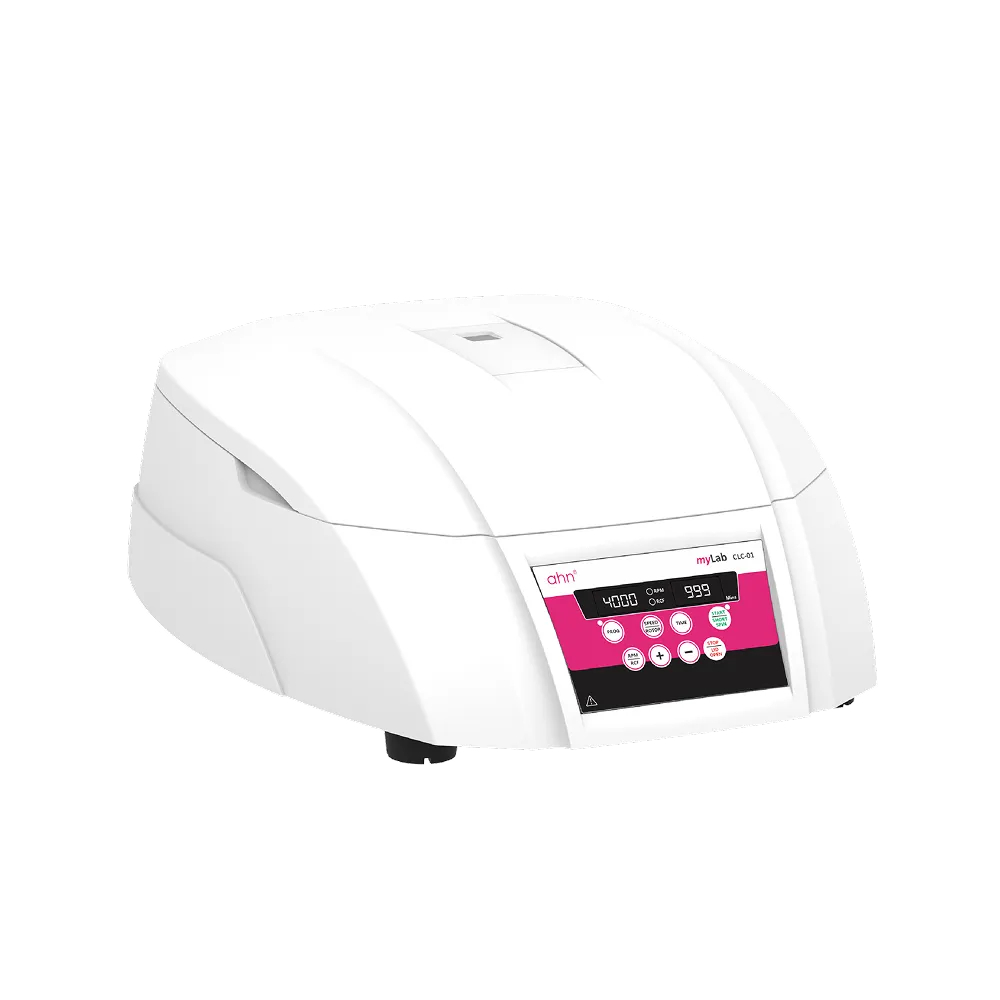
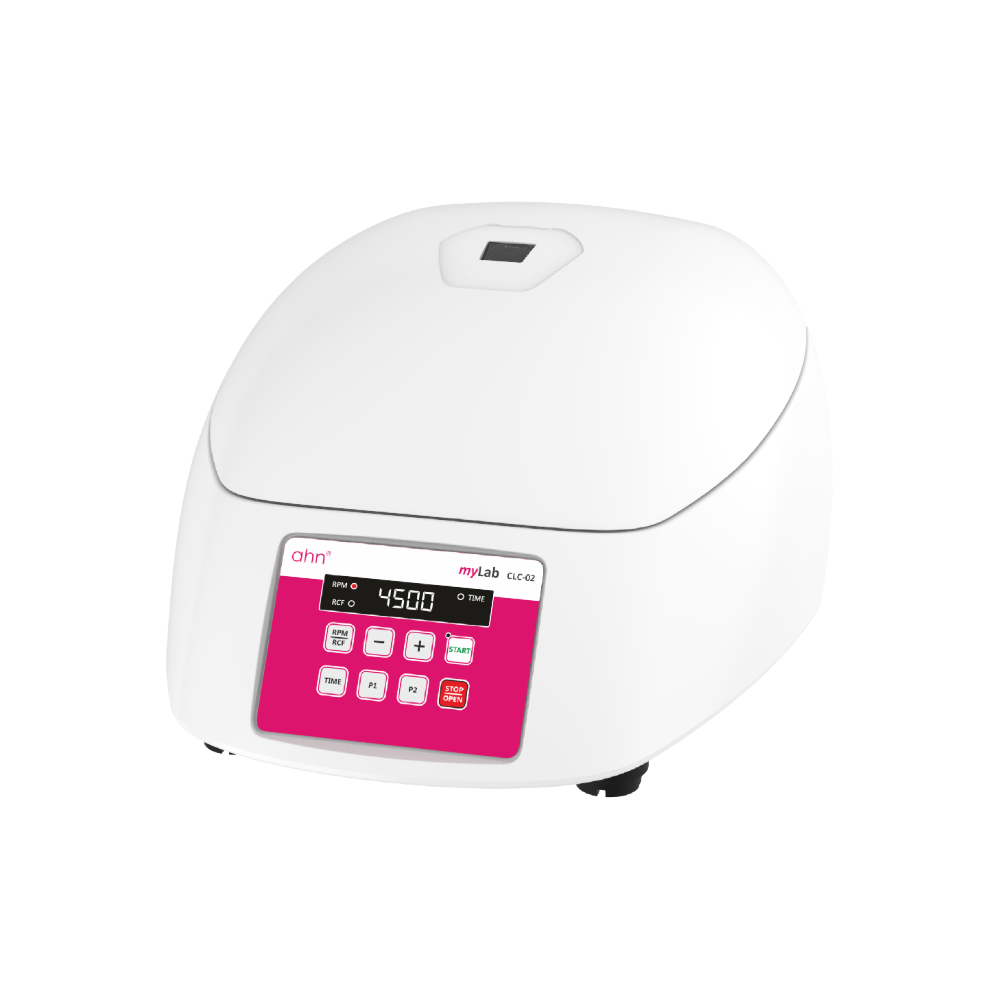
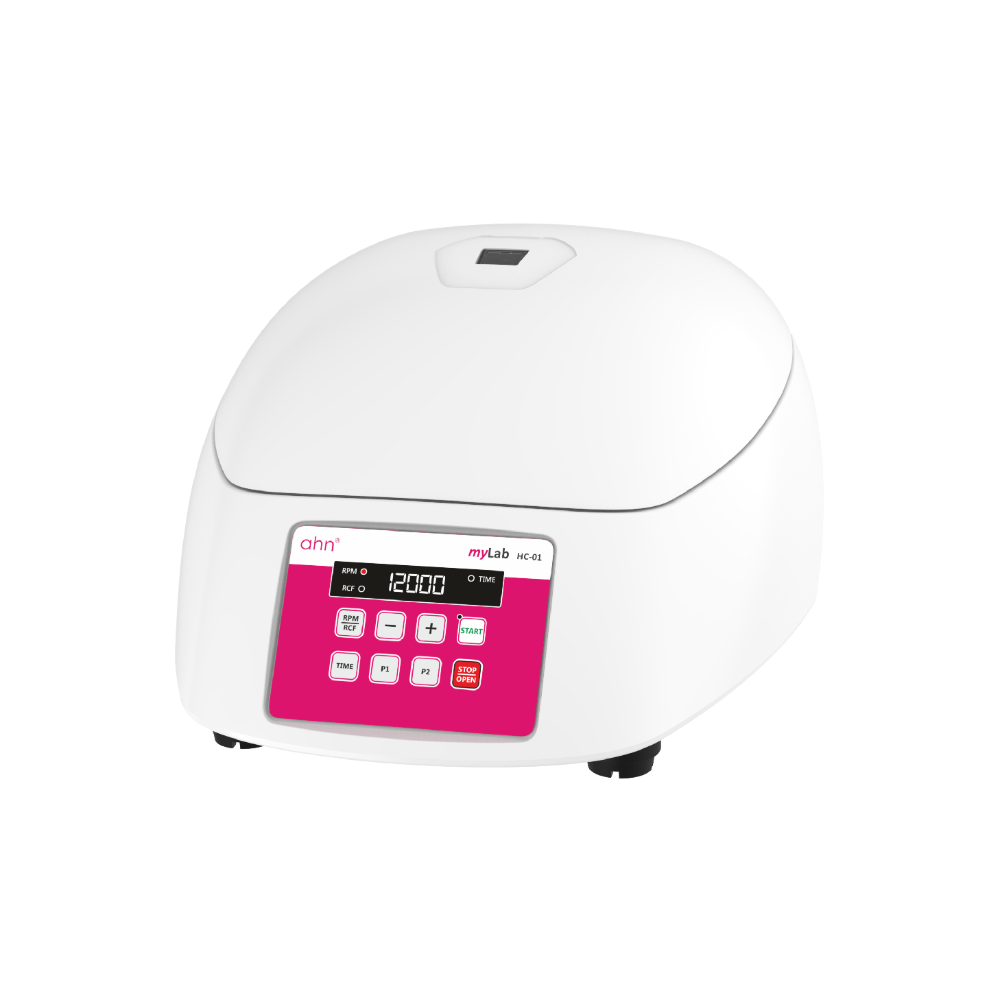
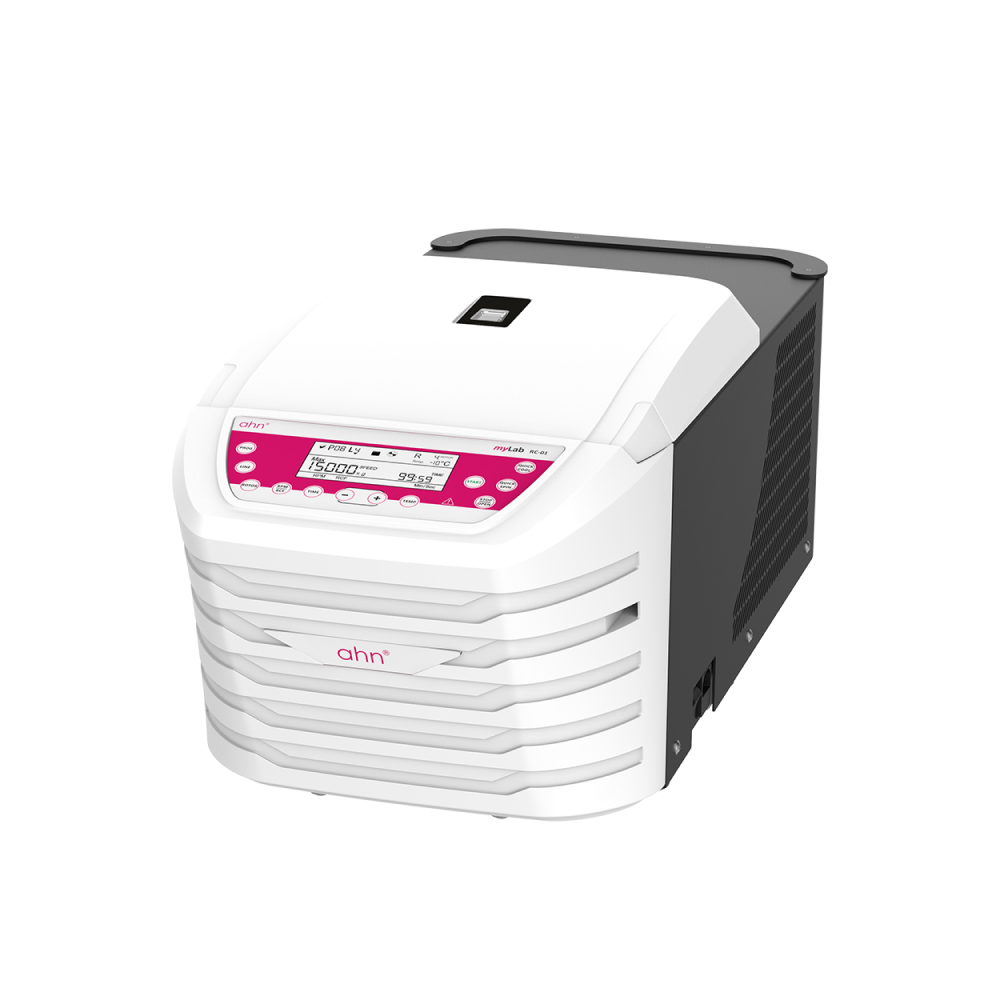
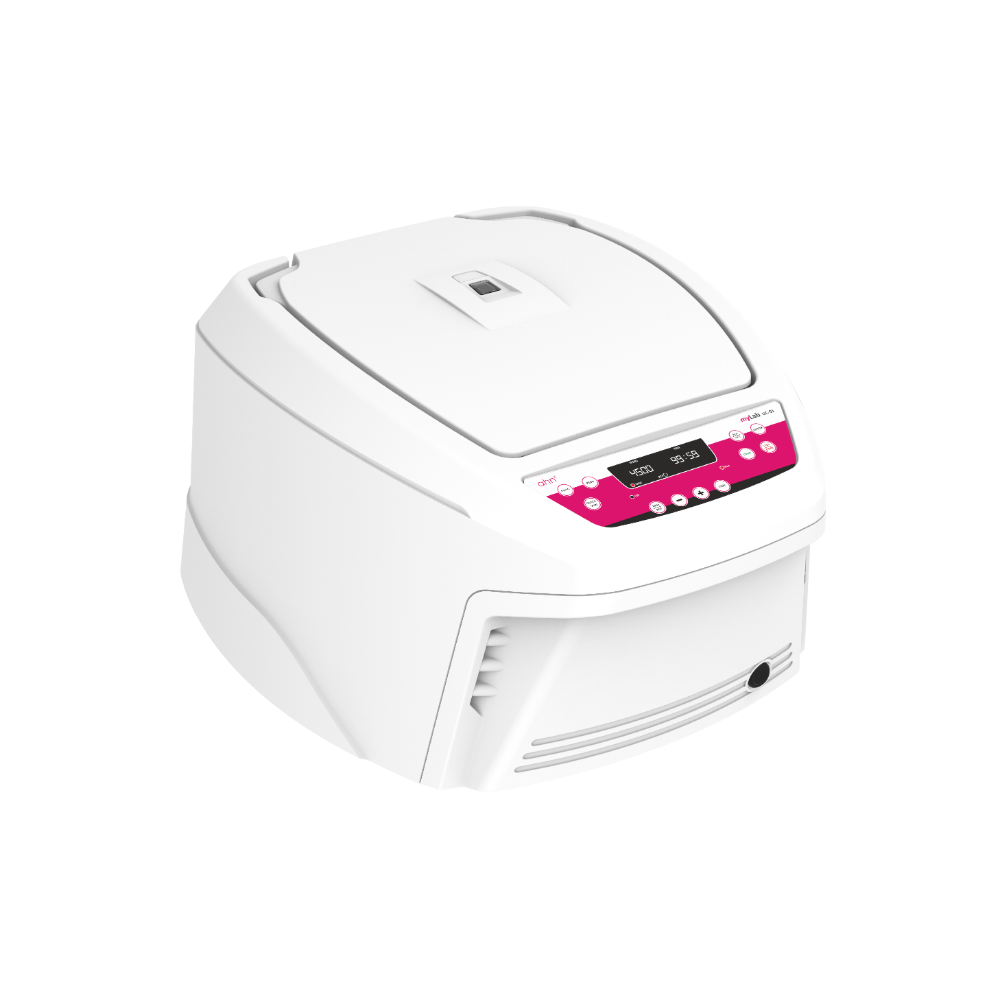
- Centrifugation: This process utilizes high-speed spinning to generate centrifugal force, separating components based on their density, size, and shape. It is commonly applied in lab centrifuges to separate blood into plasma, buffy coat, and red blood cells.
2. Chemical Methods
To improve quantification, these techniques involve intentionally altering a solution's chemistry.
- Digestion (Acid and Enzyme): This procedure breaks down complex substances into simpler forms. Acid digestion is for dissolving metals in soil or electronics, while enzyme digestion is used to break down large proteins into smaller, detectable peptides.
- Derivatization: This approach chemically modifies a component that is difficult to measure in its original form. For example, compounds can be modified to improve their volatility, making them suitable for analysis by gas chromatography (GC).
3. Thermal Methods
These approaches use heat to process or extract substances from a specimen.
- Thermal Desorption: This approach uses heat to release gaseous components that have been trapped on a solid sorbent material, such as the collection tubes used for air sampling. The released gases are then directed into the detection system.
- Sublimation: This is a phase change directly from a solid to a gas. It can serve as a purification step to separate a volatile target compound from non-volatile impurities.
Partner with IT Tech for Optimal Sample Preparation
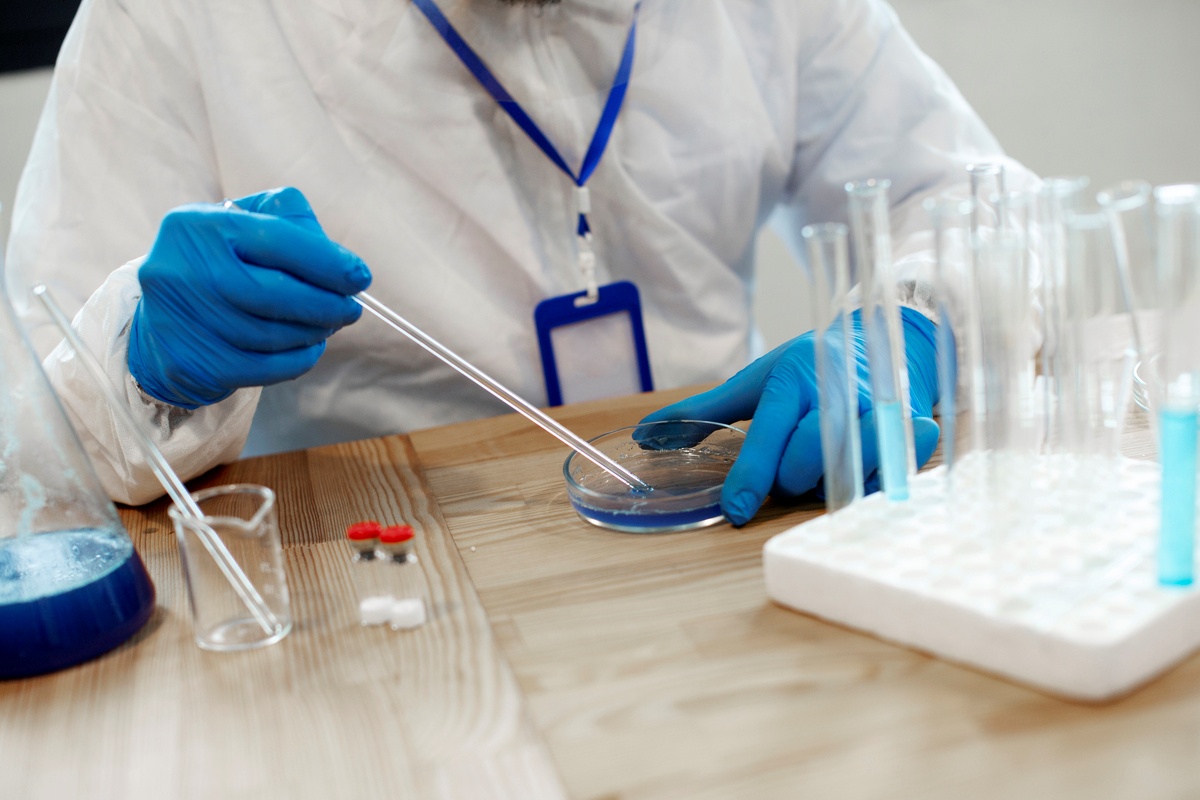
Successful laboratory sample preparation requires the right blend of tools, high-quality consumables, and a workflow-optimized environment. As a leading laboratory supplies distributor, IT Tech provides a full range of equipment to support this fundamental process.
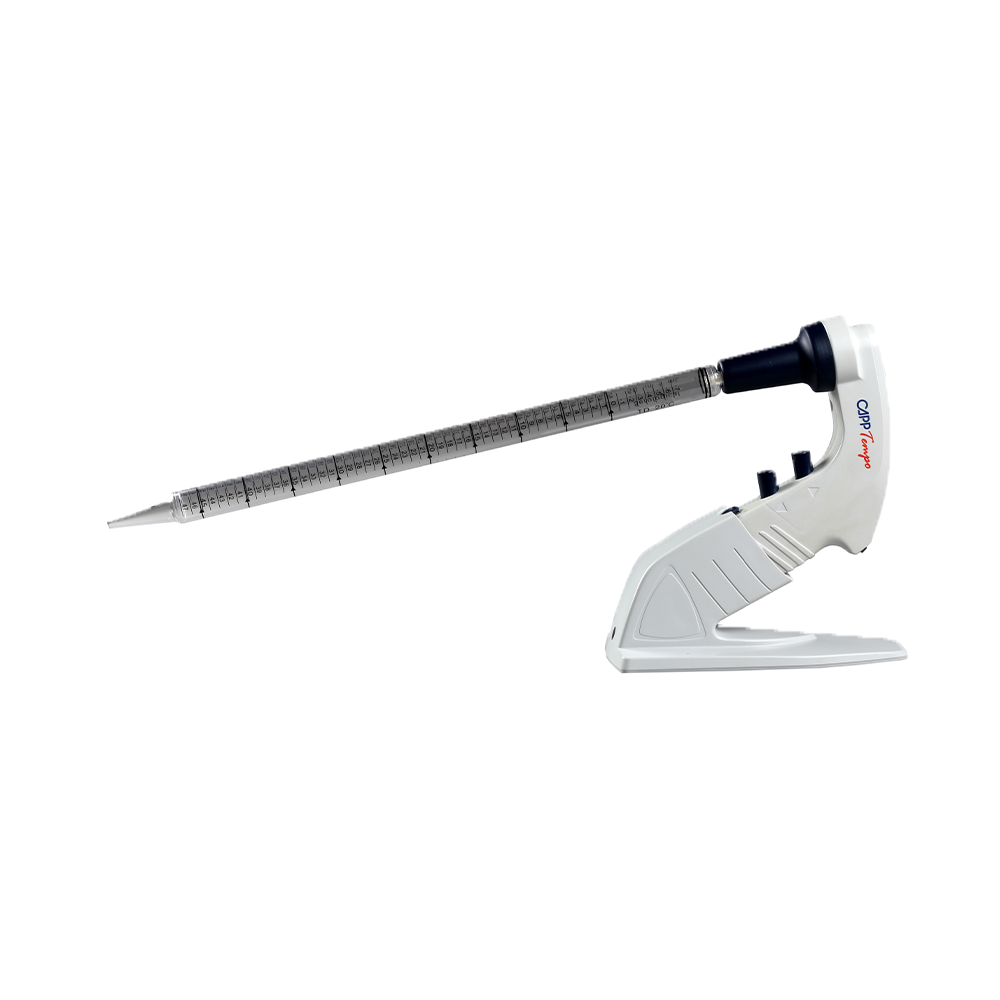
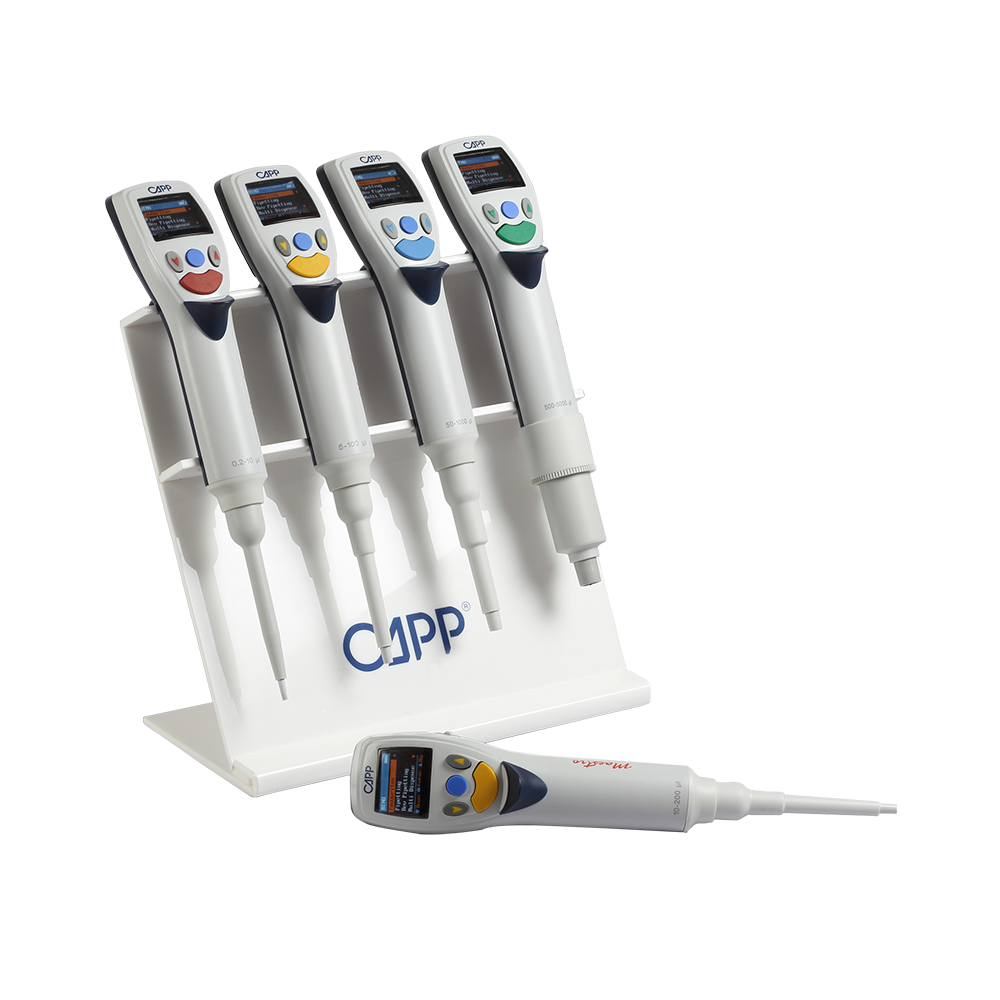
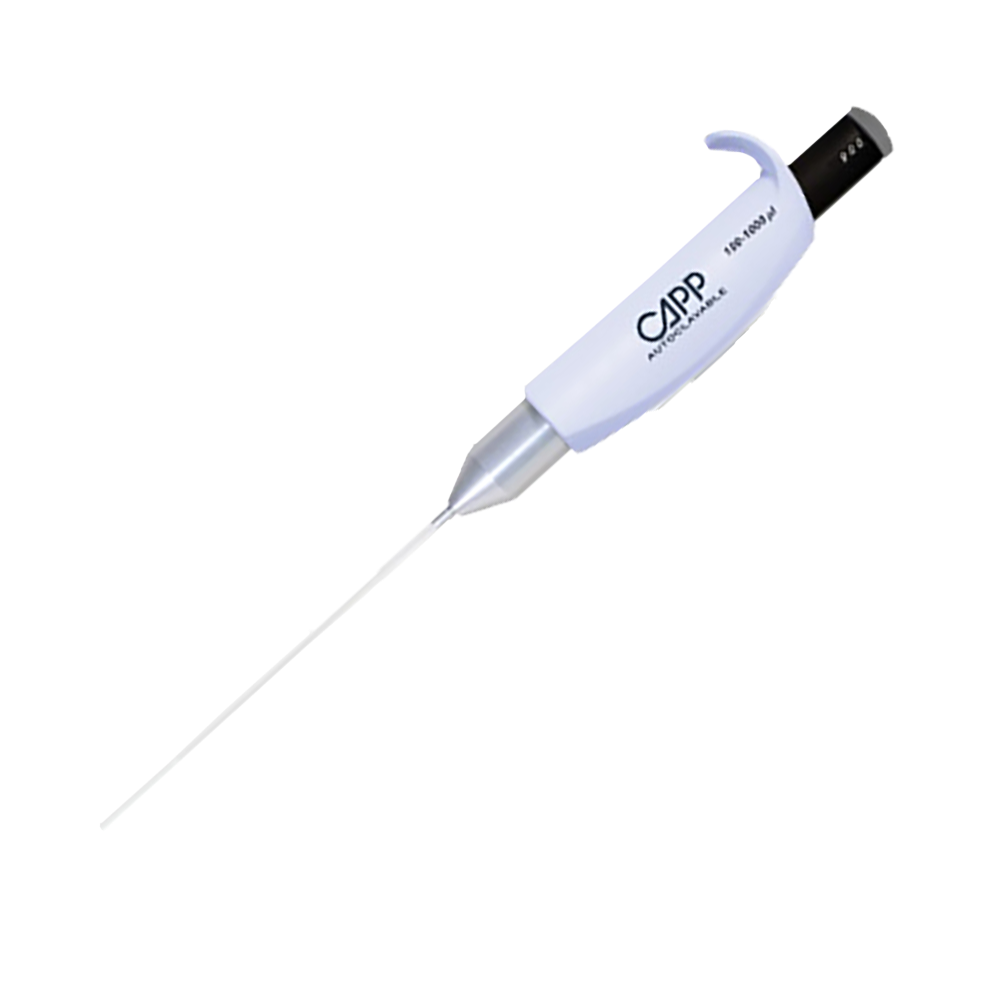
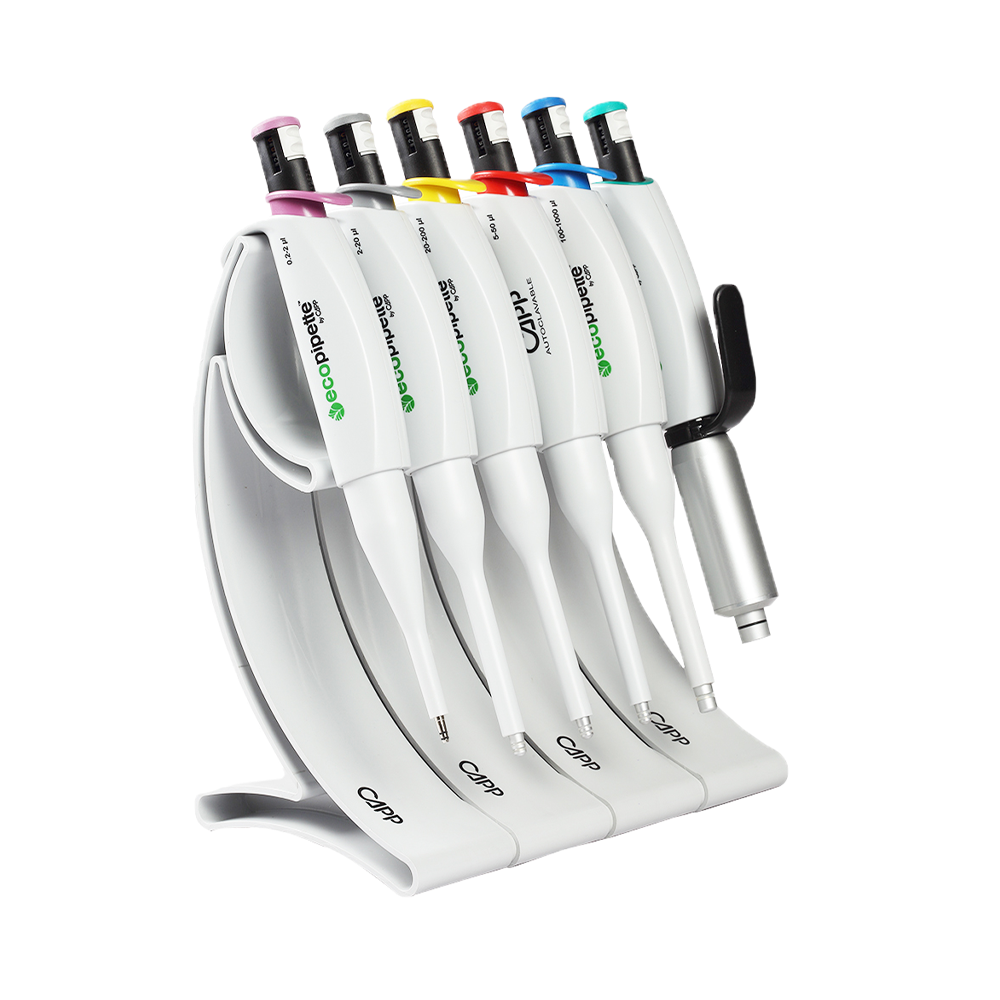
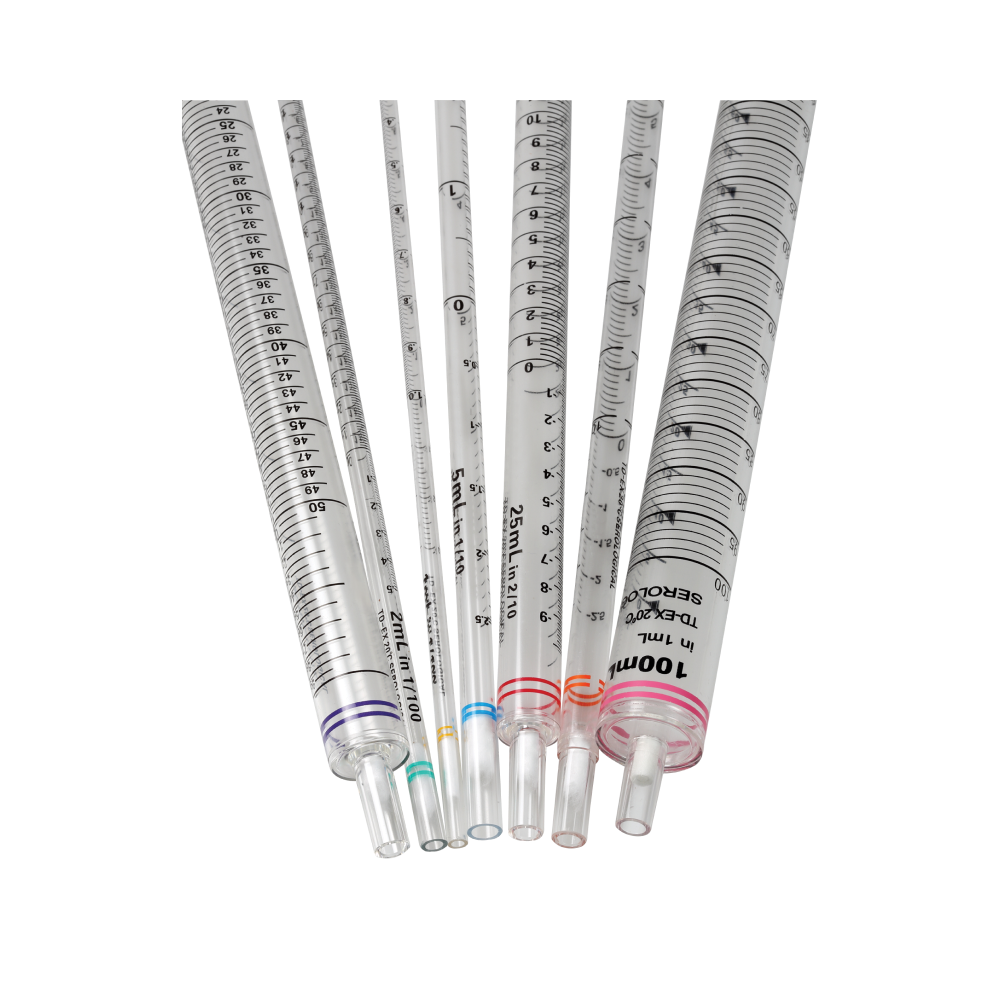
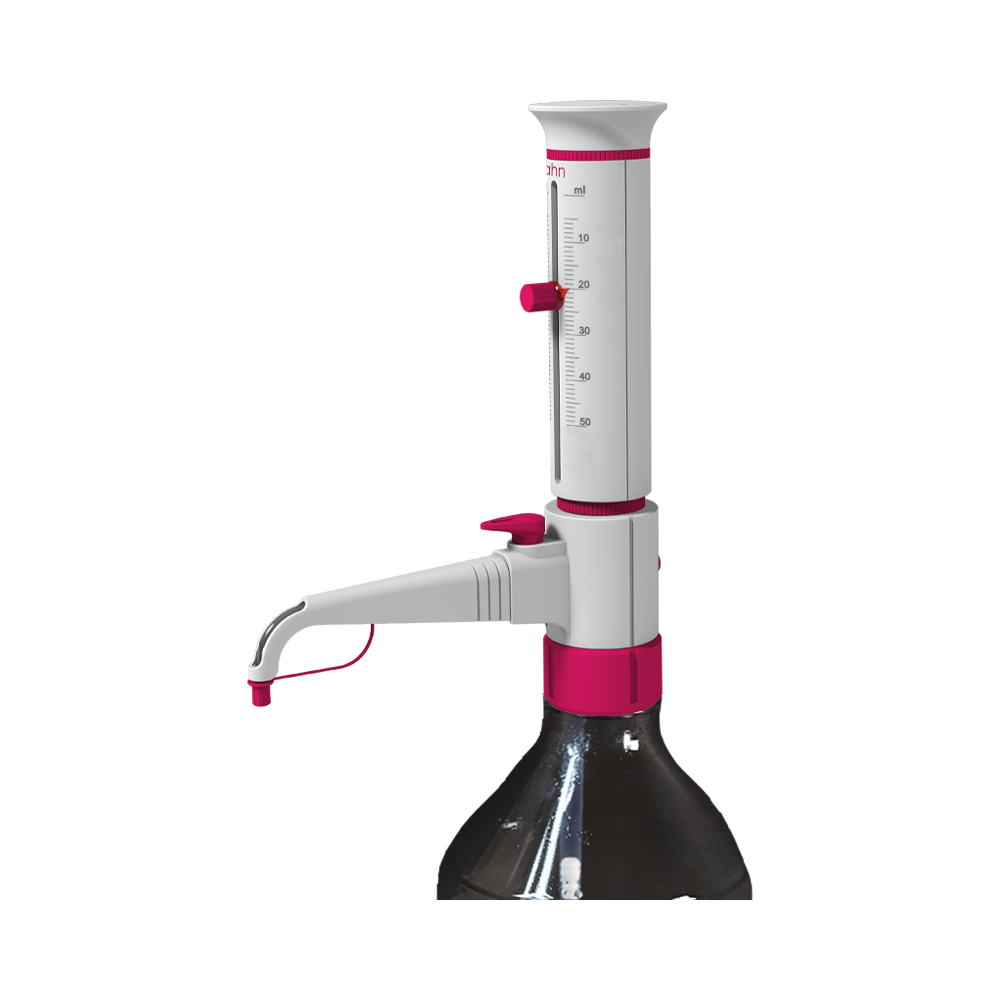
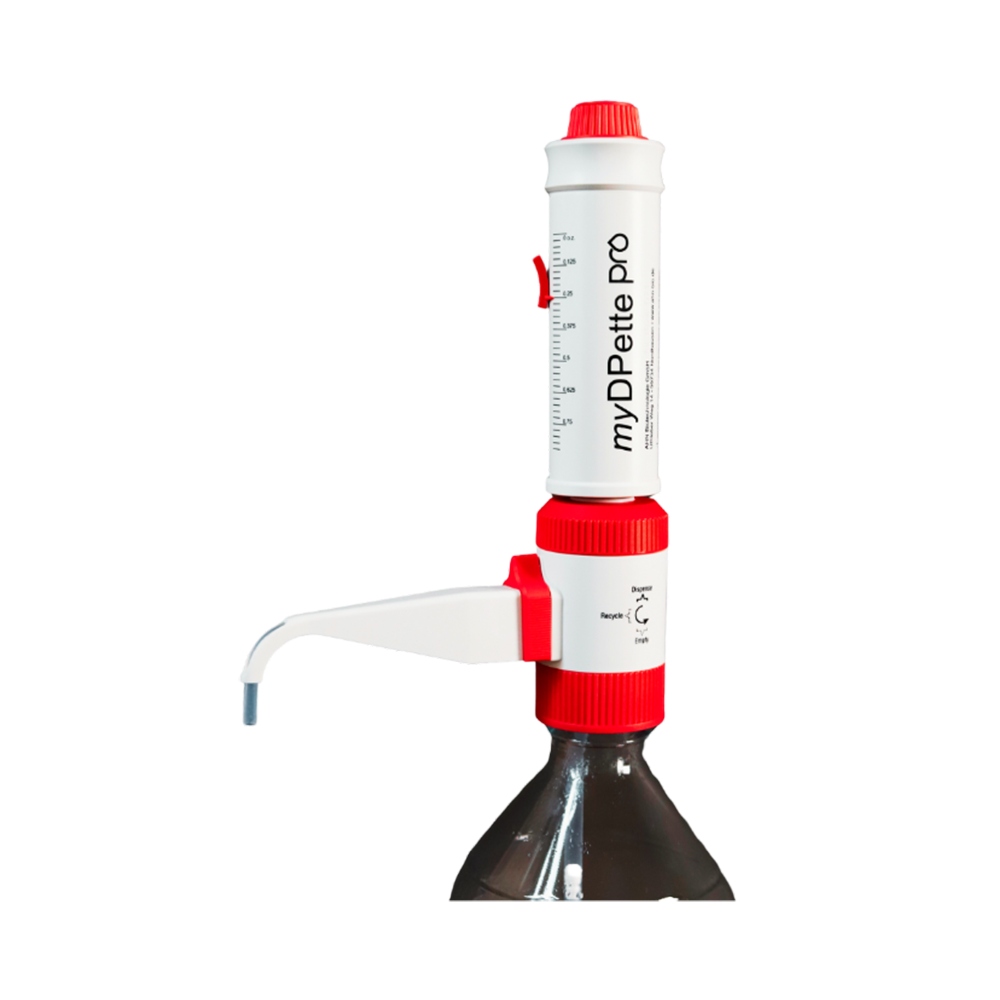
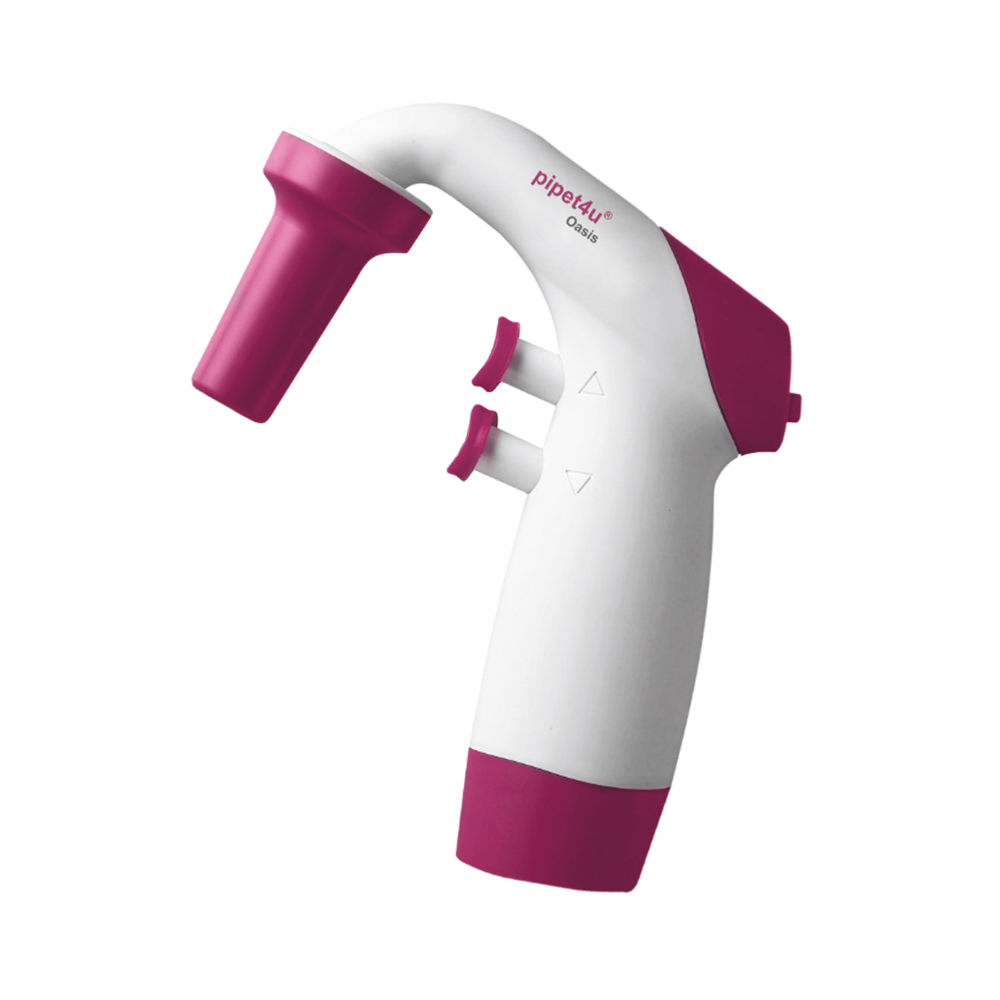
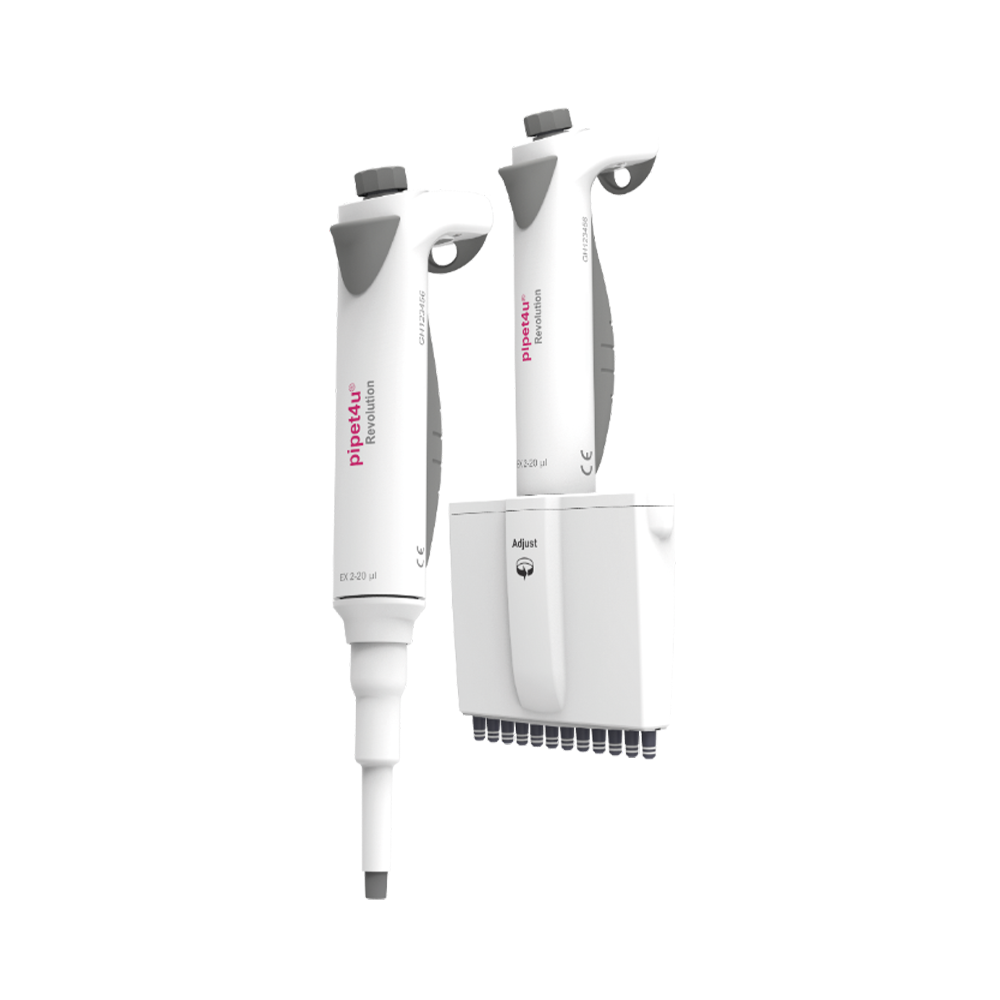
From precision pipettes and filtration systems to advanced lab centrifuges, we provide the tools you can trust. Our lab design services help create an efficient and contamination-free workspace.
Contact us to build a complete solution that delivers accurate results.
Products You may Like
Check out other IT- Tech product that suit your taste
Subscribe to our newsletter
Stay updated with IT-Tech Insights
Related posts
Check out other IT- Tech Scientific Resources