
.webp)













What Are Lithium-Ion Battery Cabinets & How Can They Help Industries?
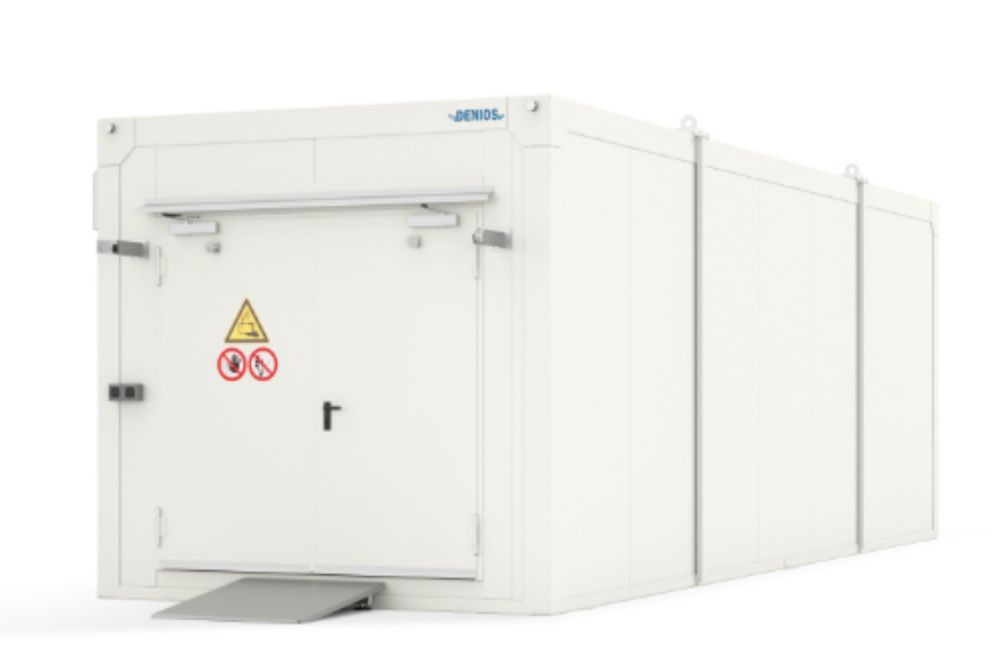
As lithium-ion technology drives the future of global industry, the risks associated with battery storage have become a critical focal point for workplace safety. Without authoritative containment, a single storage failure can escalate into a catastrophic event.
However, a lithium-ion battery storage cabinet is specifically engineered to prevent this.
Unlike standard lockers or shelving, these units combine fire-resistant construction, vapor control, and safety monitoring to create a controlled environment that conventional storage solutions simply cannot replicate.
The Growing Demand for Lithium Cabinets
Global demand for lithium-ion batteries is projected to grow nearly sevenfold between 2022 and 2030, reaching 4.7 terawatt-hours by the decade's end. Electric vehicles accounted for over 80% of worldwide demand in 2024, with consumer electronics and renewable energy storage systems driving further growth.
Lithium-ion batteries power this progress through their high energy density, long cycle life, and efficient charging. Yet these same properties pose serious risks when batteries are improperly stored, including fire hazards and the release of toxic gases.
For Singaporean workplaces scaling their operations with battery use, dedicated battery storage cabinets have become an operational necessity.
Why Lithium Batteries Require Specialized Storage
Lithium-ion batteries are highly reactive, and without proper containment, the consequences can be severe. Therefore, standard lockers and general-purpose cabinets cannot provide adequate protection against the chemical hazards posed by these batteries.
The core danger is thermal runaway, a self-sustaining reaction triggered by:
- Mechanical damage
- Overheating or overcharging
- Exposure to extreme temperatures, which can exceed 800°C
- Release of toxic vapors and flammable gases
Once initiated, thermal runaway escalates rapidly. However, high-quality lithium battery storage cabinets are purpose-built to contain these risks before they become catastrophic.
Key Features of a Modern Lithium Cabinet
Not all storage solutions are designed to meet the demands of lithium-ion batteries.
But what are the requirements for a reliable lithium battery storage cabinet?
1. Optimized Storage Layouts
Effective battery cabinets are engineered with organization as a priority. With modular shelving, you can accommodate varying battery sizes, vials, bottles, and drums. At the same time, compartmentalized interiors can keep reactive substances safely separated.
For example, the ION-STORE-90 features three perforated shelves with a 75 kg load capacity each, supporting structured, high-capacity storage that keeps daily workflows running efficiently.
2. International Safety Standards

A dependable lithium-ion battery storage cabinet must meet internationally recognized benchmarks. The ION-STORE-90, for instance, is type-tested to EN 14470-1 and CE-compliant, meeting rigorous European safety standards.
Additionally, alignment with OSHA requirements and NFPA fire codes further ensures these units meet the highest global standards, providing consistent, certified protection wherever they are deployed.
3. Support for Fire and Chemical Regulations
Compliance with hazardous material storage guidelines is crucial for facilities handling lithium-ion batteries. For instance, the BMC-X cabinet series delivers up to 240 minutes of fire resistance, directly supporting workplace safety regulations.
This level of built-in protection simplifies inspection preparation and reduces the administrative burden of safety audits, giving facility managers greater confidence in their compliance posture.
4. Monitoring and Environmental Control
Advanced battery storage cabinets go beyond passive containment. Optional ventilation systems manage gas buildup within the unit, while integrated temperature and safety-monitoring modules provide real-time oversight.
The ION-STORE-90 CORE includes a built-in fire warning system as standard. Together, these capabilities improve audit readiness and generate the documentation needed for ongoing regulatory reporting.
5. Regulatory Compliance in Singapore
Singapore maintains a clear and enforceable framework, not only for lithium-ion battery charging, but also for storage. Key standards that battery cabinets must align with include:
- MHA fire safety standards for workplaces storing and charging larger quantities of lithium-ion batteries
- EMA guidelines covering energy storage systems
- SCDF requirements for fire safety and hazardous material handling
Applications of Lithium Cabinets Across Industries
Across various industries, lithium-ion battery storage cabinets are proving essential for risk management, compliance, and people protection.
1. Industrial and Manufacturing Facilities
Manufacturing environments handle large volumes of lithium-ion batteries daily. From cordless tools to robotic systems, the storage requirements are varied:
- Dedicated battery cabinet units safely manage backup power systems.
- Structured storage reduces handling risks across large battery inventories.
- Organized charging zones minimize the chance of overcharging incidents.
2. Research Laboratories
Laboratories working with experimental batteries face unique risks during R&D processes. Controlled storage should be part of the laboratory design to achieve the following:
- Fireproof battery charging cabinets protect sensitive research environments.
- Segregated storage prevents cross-contamination between experimental battery types.
3. Logistics and Warehousing
Large-scale battery inventory storage on logistics and warehousing presents serious liability exposure without the right infrastructure. Battery storage cabinets address this directly through these solutions:
- Proper containment reduces risks associated with EV components and consumer electronics.
- Certified storage solutions support insurance requirements and regulatory compliance.
- Documented safety measures strengthen audit outcomes.
4. Commercial and Retail Environments
Retailers selling e-bikes, drones, and electronics carry responsibility for on-site battery safety. A charging cabinet helps manage that exposure through these advantages:
- Dedicated storage reduces liability risks for staff and customers.
- Compliant battery handling demonstrates a clear commitment to workplace safety.
Benefits of Investing in a Lithium Cabinet
Choosing the right battery cabinet delivers measurable advantages across safety, compliance, and operations:
- Enhanced Safety: Built-in fire containment and vapor control mechanisms reduce the risk that thermal runaway will escalate into a larger incident.
- Regulatory Compliance: Purpose-built units align with OSHA, NFPA, and EN standards, keeping facilities audit-ready.
- Business Continuity: Proper battery storage cabinets minimize costly downtime caused by fire or chemical incidents.
- Scalability: Options range from compact lab units to large, multi-door industrial cabinets, making it easy to scale.
- Future-Proof Scalability: Our solutions grow with your demand, from compact lab units to large-scale industrial enclosures.
Build a Safer Battery-Powered Future
Lithium-ion batteries are central to modern operations, but their risks are real and well-documented. For many facilities, a lithium-ion battery cabinet is crucial for safety and workflow optimization. Certified battery storage cabinets reduce operational exposure, support regulatory compliance, and protect both people and property over the long term.
As a trusted industrial and lab equipment supplier in Singapore, IT Tech provides a range of lithium-ion battery storage solutions tailored to your facility's needs. Contact us today to find the right cabinet for your requirements.
Products You may Like
Check out other IT- Tech product that suit your taste
Subscribe to our newsletter
Stay updated with IT-Tech Insights
Related posts
Check out other IT- Tech Scientific Resources