


.png)


.webp)

Class II Biological Safety Cabinets (BSC)
Find the industry-standard, triple-layer protection for your personnel, biological samples, and laboratory operations with our Class II biosafety cabinets.
How Class II BSCs Work – Airflow, Filtration & Safety Mechanisms
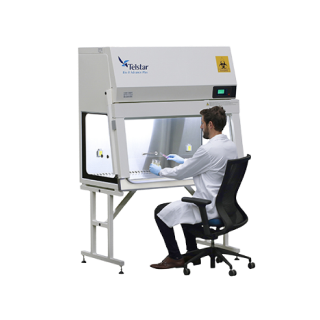
Our Class II Biosafety Cabinets are precision-engineered safety systems designed to eliminate cross-contamination and ensure operational continuity. We combine smart airflow design with high-efficiency filtration to build a secure workspace that handles your most sensitive life science tasks with total precision.
- Laminar Flow & HEPA Filtration: Achieve a sterile work zone with unidirectional airflow and HEPA/ULPA filters that capture 99.99% of particles.
- Air Curtain & Inflow Protection: Maintain a high-velocity "air curtain" at the front aperture to prevent room air from entering the work zone and to ensure hazardous aerosols never escape the cabinet.
- Exhaust & Recirculation Dynamics: We provide Class II biosafety cabinets based on your specific chemical and biological risk profiles:
- Type A2 (Standard): Recirculates ~70% of air, making it ideal for microbiological work without volatile chemicals.
- Type B1: Recirculates ~30% of air and is designed for workflows involving minute quantities of volatile toxic chemicals.
- Type B2 (Total Exhaust): 100% external exhaust, which is mandatory for handling significant toxic chemicals or radionuclides.
- Triple-Layer Protection: Our Class II biosafety cabinets offer a single solution that simultaneously shields personnel from biohazardous inhalation hazards, protects biological samples from contamination, and safeguards the laboratory facility through filtered exhaust.
Types of Class II Biosafety Cabinets — Choose Based on Lab Need
In critical laboratory environments, selecting the correct biosafety cabinet is a strategic decision that impacts both operational safety and long-term cost-efficiency. While all Class II models provide industry-standard protection for BSL-1 to BSL-3, your specific airflow requirements are dictated by the presence of volatile chemicals.
Class II Type A2
The Class II Type A2 is the most widely utilized for standard microbiological research. By recirculating 70% of HEPA-filtered air, it maintains a sterile workspace while remaining energy-efficient, making it the ideal biosafety cabinet for life science applications that do not involve volatile toxic chemicals.
Class II Type B1 / B2
Type B1 and B2 Class II biosafety cabinets are designed for high-hazard workflows and use external ducting to safely exhaust hazardous vapors. The Type B1 is ideal for low-level chemical use, while the Type B2 is required for high-risk procedures that require zero air recirculation to prevent toxic vapor buildup.

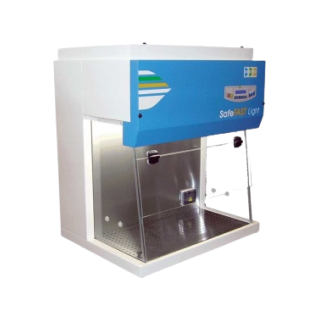
Key Features & Benefits of Class II BSC
Our Class II biosafety cabinets are integrated for high-uptime environments, combining rigorous safety certifications with maximum functional reliability.
- HEPA Filtration Standards (NSF/ANSI 49 / EN12469): Fully compliant with safety standards, ensuring your facility meets all local and international regulatory audits.
- Airflow Design and Protection Levels: Engineered with balanced laminar flow and high-velocity air curtains to provide simultaneous containment for personnel, products, and the environment.
- Ergonomics and Usability: Features a 10° sloped front window, motorized glass adjustment, and glare-free LED lighting to enhance user comfort during extended sessions.
- Energy Efficiency and Maintenance: Equipped with high-efficiency controlling systems and motors that reduce power consumption and heat output, significantly extending filter life and reducing long-term service costs.
- Certifications & Testing Compliance: Fully verified against safety standards to guarantee absolute regulatory alignment and laboratory safety.
How to Choose the Right Class II BSC for Your Lab
To ensure your facility achieves maximum safety and cost-efficiency, evaluate these Class II biosafety cabinet considerations before procurement:
- Chemical vs. Biological Risk: Match your workflow to the correct subtype (A2 for bio-agents; B1/B2 for volatile chemicals).
- Infrastructure Compatibility: Confirm if your lab layout supports external ducting or requires standalone recirculating units.
- Ergonomics & Footprint: Select dimensions and sash configurations that maximize your available floor space and operator ergonomics.
- Total Cost of Ownership: Look beyond the initial price and consider energy-efficient motors and accessible filter replacement for lower long-term maintenance costs.
- Regulatory Alignment: Ensure the unit satisfies specific institutional safety protocols and SCDF engineering requirements.


Find the Perfect Class II BSC for Your Lab
Optimize your facility with a partner that understands the stakes. As a trusted lab equipment supplier in Singapore, IT Tech delivers turnkey containment solutions tailored to your specific research needs.
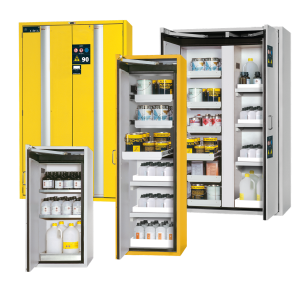
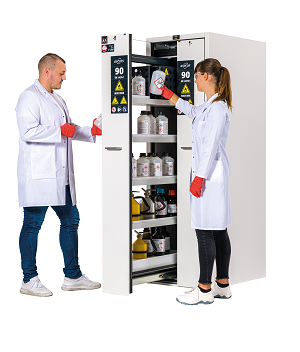
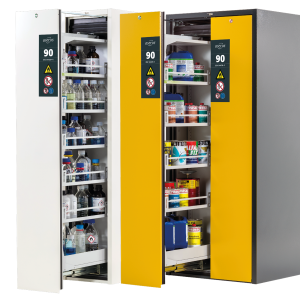
Contact us for your biosafety cabinet and safety storage needs.
Enrich your scientific journey through our innovative products, delve into cutting-edge services, and unlock the potential for groundbreaking research. Experience excellence at every stage with IT Tech.
Frequently Asked Questions
About Our Biosafety Cabinets Class II
What is the difference between Class I, Class II and Class III biosafety cabinets?
A Class I biosafety cabinet protects only the user and the environment. Class II models add product protection via sterile laminar airflow. Class III units are gas-tight enclosures providing maximum isolation for high-risk pathogens.
How does a Class II BSC protect lab personnel, samples and the environment?
The Class II biosafety cabinet creates an inward air curtain to protect personnel, while downward HEPA-filtered laminar air maintains a sterile work zone for samples. Finally, all exhaust air passes through HEPA filters before leaving the unit, ensuring the laboratory environment remains uncontaminated and safe.
Do all Class II biosafety cabinets recirculate air, or do some exhaust completely?
No. While the standard Type A2 biosafety cabinet recirculates roughly 70% of air, the Class II Type B2 model is a total-exhaust system. It removes 100% of air through external ducting, making it the necessary choice for workflows involving volatile toxic chemicals or radionuclides.
How often should HEPA filters be replaced or certified?
A Class II biosafety cabinet must be certified upon installation, annually, or whenever moved to ensure HEPA filter integrity and airflow velocity remain within safety parameters.
Can I use a Class II biosafety cabinet for both microbiology and low‑level chemical work?
Yes, provided you select the correct Class II subtype. A Type A2 biosafety cabinet is suitable for microbiology and for minute chemical traces when ducted. Still, Type B1 or B2 models are preferred for consistent, low-level chemical work to safely exhaust volatile vapors externally.
What installation and ventilation requirements are needed for a Class II BSC?
Installation of a Class II biosafety cabinet requires a level surface, away from drafts, doors, and traffic. While Type A2 models can recirculate air, Type B1 and B2 units demand hard-ducting external exhaust systems. All M&E and ventilation integration must strictly adhere to local regulatory standards.
How should laboratory staff work safely inside a Class II BSC to avoid contamination?
Ensure the sash is positioned correctly for optimal containment. Staff must wear appropriate PPE, move arms slowly, work from clean to contaminated areas, and avoid blocking air grills. Regular surface disinfection before and after tasks, and allowing the Class II biosafety cabinet to purge its air, are essential steps to maintaining a sterile environment.
What ongoing maintenance does a Class II BSC require?
Beyond annual certification and daily surface sterilization, a Class II biosafety cabinet requires weekly alarm checks, and monthly pre-filter inspections. Routine motor and sensor calibration maintains precise airflow velocities, extending the lifespan of HEPA filters and ensuring continuous operator safety.

Customer Care Team
Typically replies in a few hours

Customer Care Team
Hi there
How can i help you today?
How can i help you today?
.png)
Start Whatsapp Chat