.png)




























.png)





















Lab Gas Line Installation: What to Know Before You Start

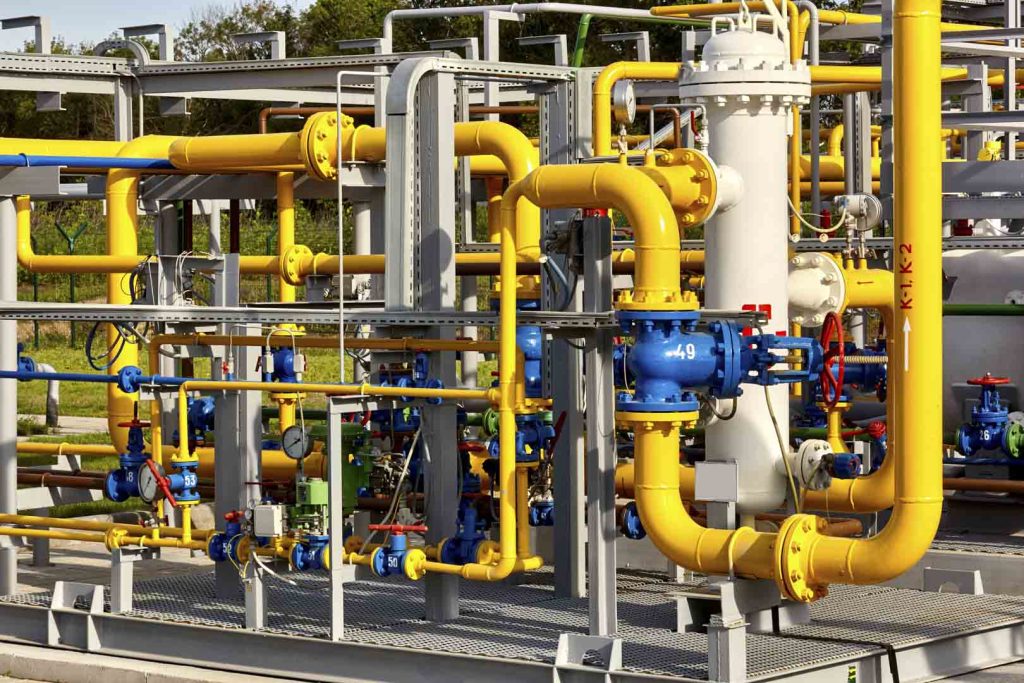
Laboratory gas piping is a network of pipes, fittings, regulators, and outlets engineered to deliver compressed or speciality gases safely and reliably to equipment throughout a lab.
A well-designed gas distribution system supports the operation of fume hoods, bioreactors, gas chromatographs, and other critical instruments, as well as any process where gas purity and consistent pressure directly affect results.
Unlike standard industrial or commercial gas piping, laboratory gas line installation demands greater precision, stricter material compatibility requirements, and tighter safety standards. As such, getting the groundwork right before work begins is crucial to preventing costly, disruptive problems later.
4 Things to Address Before Gas Line Installation Begins
1. Map Out Your Point-of-Use Requirements Early
Identify all equipment requiring a gas connection and confirm their locations before any gas piping design work begins. This is because retrofitting additional outlets after installation is expensive and disruptive, particularly in an active research environment.
Additionally, involve lab users and facilities engineers at this stage to align the final layout with actual workflow needs. For example, the contractor must size and position a gas manifold system to serve the correct number of outlets at the right pressure, and that requires detailed knowledge of equipment placement from the start.
2. Match Pipe Materials to Your Gas Type
Pipe material must be chemically compatible with the gas it carries. Using incompatible materials creates the risk of contamination, accelerated corrosion, or dangerous reactions at gas pipe fittings and joints.
The right choice depends on gas type, purity grade, and operating pressure.
- High-purity and inert gas piping: Gases like nitrogen, argon, and helium require electropolished stainless steel tubing, which prevents moisture ingress and particulate contamination.
- General-purpose gases: Copper or certain high-grade polymers may be compatible, subject to specific application.
Confirming material specifications before procurement avoids costly rework once installation is underway.
3. Build Compliance Into Your Plan from Day One
Gas pipe installation in Singapore must comply with SCDF regulations, along with other applicable authority requirements for the facility type. In practice, compliance requirements for lab gas piping generally cover four main areas:
- Use of SCDF-approved pipe materials and fittings.
- Pressure testing at specified stages during installation.
- Proper labelling of all gas lines throughout the system.
- Adequate ventilation provisions and safety shutoff mechanisms.
Non-compliance carries real consequences. Failed inspections can halt a project mid-construction, and poorly designed systems present ongoing safety hazards to lab personnel.
Therefore, building these requirements into the gas piping design from day one, rather than treating them as an afterthought, is the more reliable approach.
4. Engage a Qualified Gas Piping Contractor
Gas piping installation is not a task for a general building contractor. It requires specific expertise across gas system engineering, laboratory operations, and SCDF compliance, and a generalist firm is unlikely to cover all three.
When you engage an unqualified contractor to reduce upfront costs, it typically results in rework, inspection failures, and safety gaps that cost far more to address later.
Instead, when evaluating options, ask about the following.
- Documented project experience in your sector (such as life sciences, biopharma, oil and gas, or industrial research).
- References from comparable facilities.
- Their process for pressure testing and system commissioning.
Plan Your Gas Line Installation Right with IT Tech

IT Tech is a specialist lab service provider with over 20 years of experience in laboratory gas piping design and installation across life sciences, biopharma, oil and gas, and industrial sectors.
Our turnkey approach covers initial layout planning and material specification through to installation, pressure testing, and commissioning, all managed under one roof.
For facilities handling multiple gas types or planning a larger fit-out, this model reduces the coordination complexity that typically arises when gas piping work is split across separate contractors.
Planning a lab gas line installation? Contact us today to speak with a specialist and get the right system in place from day one.
Products You may Like
Check out other IT- Tech product that suit your taste
Subscribe to our newsletter
Stay updated with IT-Tech Insights
Related posts
Check out other IT- Tech Scientific Resources