

.webp)
.webp)
.webp)

.webp)

.webp)
Acid Storage Cabinets vs Flammable Cabinets: What Your Lab Needs to Know

Safe storage of hazardous chemicals is a fundamental requirement in any laboratory environment. From research laboratories to industrial testing facilities, the way chemicals are stored directly influences operational safety, regulatory compliance, and the reliability of laboratory processes. For this reason, selecting the appropriate laboratory safety cabinet is not merely a storage decision, but a key part of managing chemical hazards within the laboratory.
However, not all laboratory safety cabinets are designed for the same chemical risks.
Two of the most commonly used storage systems are acid cabinets and flammable storage cabinets, each engineered to address a specific hazard profile. Acid storage cabinets are constructed to contain corrosive substances that can degrade materials and release harmful vapors, while flammable safety cabinets are built to store combustible liquids and limit fire hazards. Because these risks differ at a chemical and structural level, the two cabinet types cannot be used interchangeably without introducing safety and compliance concerns.
With laboratories handling a wide range of reagents and solvents, an important question remains: is your facility using the right cabinet for the chemicals it stores?
What is a Flammable Safety Cabinet?
Laboratories routinely handle solvents and reagents that can release ignitable vapors. When these substances come into contact with sparks from electrical equipment, static discharge, hot surfaces, or open flames, the risk of fire increases.
Purpose and Function
A flammable storage cabinet is engineered to manage the risks associated with storing volatile and combustible substances in laboratory and industrial environments.
- Designed for flammable and combustible materials: These cabinets provide a designated storage environment for solvents and other flammable materials, ensuring they are contained in a structure specifically built to handle ignition hazards rather than being left on open shelving.
- Prevent ignition and limit fire spread: The cabinet structure slows heat transfer and isolates flammable chemicals from external ignition sources, helping reduce the likelihood of a fire escalating rapidly within the space.
- Clearly labeled for hazard identification: Prominent warning labels allow personnel to immediately identify the cabinet as containing flammable materials, reducing the risk of improper storage and supporting safe handling practices across the facility.
Key Features
To achieve these safety functions, a flammable storage cabinet is constructed with several protective design elements that help mitigate fire risks and contain volatile chemicals. These tend to include:
- Double-walled steel construction: The cabinet body is built with two layers of steel, forming a protective barrier that shields stored flammable liquids from external heat exposure.
- Raised sill and spill containment design: Cabinet doors are positioned above the base to create a liquid-tight sump. This structure helps retain leaks or spills, commonly designed to hold either 110% of the largest container or 25% of the total stored volume.
- An air gap for fire resistance: The space between the cabinet walls acts as an insulating layer, slowing heat transfer and helping maintain structural integrity when exposed to fire.
- Manual or self-closing doors: Self-closing mechanisms ensure the cabinet shuts automatically during fire events, limiting oxygen flow and reducing the risk of flames reaching the stored chemicals.
- Venting considerations: Vent openings may be included to connect with facility ventilation systems, although whether these vents are used depends on laboratory design requirements and applicable fire safety codes.
Regulatory Requirements
Beyond cabinet design, laboratories must also comply with regulatory frameworks governing the classification, storage, and management of flammable liquids.
- SS 641:2019: This Singapore standard outlines fire safety requirements for laboratories handling chemicals. It addresses laboratory construction, fire protection systems, ventilation design, and the safe storage, handling, and disposal of flammable substances.
- SS 532:2024: Formely CP40, this standard categorizes flammable liquids based on flash point ranges, including Class I liquids with flash points below 37.8°C, Class II liquids between 37.8°C and 60°C, and Class III liquids above 60°C.
- Storage limits and cabinet capacity: Smaller laboratory spaces may store limited quantities, while larger work areas calculate allowable volumes using established formulas. Individual safety cabinets are typically restricted to 250 litres.
- SCDF classification and waste handling: Mixtures containing flammable liquids are treated as flammable unless verified otherwise through laboratory testing. In such cases, storage and disposal practices may fall under regulatory oversight from the Singapore Civil Defence Force (SCDF).
Common Flammable Chemicals
Laboratories frequently use volatile organic solvents that must be stored together only when they are chemically compatible. These substances are typically kept in sealed containers inside flammable storage cabinets, while oxidizers and corrosive agents are stored separately to prevent dangerous reactions.
- Acetone
- Ethyl acetate
- Ethanol
- Hexane
What is an Acid (Corrosive) Safety Cabinet?
Corrosive safety cabinets are dedicated storage units used to house Class 8 hazardous materials, including strong acids and bases. These cabinets are typically identified by blue colouring, allowing laboratory personnel to immediately recognize that corrosive substances are stored within.
Purpose and Function
Acid safety cabinets are designed to manage the storage risks associated with corrosive chemicals.
- Designed for corrosive chemicals (acids and bases): These cabinets provide controlled storage for acids and alkalis that can damage conventional cabinet materials if placed in standard laboratory storage.
- Prevent material degradation and contain fumes: Cabinets are constructed with corrosion-resistant materials or protective coatings to withstand chemical exposure while helping limit the spread of corrosive vapors.
- Ensure chemical compatibility: Proper storage helps maintain separation between incompatible substances. Certain acids, such as nitric acid, may require separate storage to reduce the risk of chemical reactions within the cabinet.
Key Features
To safely contain corrosive substances, acid safety cabinets incorporate structural and material features that withstand chemical exposure while controlling fumes and spills.
- Corrosion-resistant construction: Safety cabinets are built from materials such as polyethylene, epoxy-coated steel, or phenolic resin to resist chemical damage from acids and alkalis.
- Vented design for vapour control: Vent openings allow laboratories to connect cabinets to ventilation systems, reducing the accumulation of corrosive vapors.
- Clear hazard identification: Cabinets are prominently labelled “Acid” or “Corrosive” so personnel can immediately recognize the chemical hazard during storage and handling.
Regulatory and Safety Considerations
Like flammable substances, the proper storage of corrosive chemicals requires strict separation and compatibility controls within laboratory environments.
- Separate incompatible substances: Acids and alkalis must be stored apart, as combining them can trigger violent reactions.
- Dedicated corrosive storage: Corrosive chemicals should be placed in designated acid cabinets rather than general laboratory storage.
- Compatibility-based organisation: Chemicals must be grouped according to compatibility to prevent reactions that may release heat, gas, or hazardous by-products.
Common Corrosive Chemicals
Laboratories frequently store a range of acids and alkaline substances that fall under Class 8 hazardous materials and require dedicated containment. Some of these include:
- Hydrochloric acid
- Sulfuric acid
- Nitric acid
- Sodium hydroxide
- Acetic acid
Why the Distinction Between Cabinet Types Matters

Which safety cabinet should your laboratory rely on when handling hazardous chemicals? The distinction matters because corrosive safety cabinets and flammable cabinets are designed for entirely different chemical risks. Using the wrong cabinet can compromise structural integrity, increase fire hazards, and create regulatory concerns within the laboratory environment.
- Structural damage and fire hazards: Storing corrosive substances in flammable cabinets can degrade the steel structure over time, weakening the cabinet and reducing its fire resistance. Conversely, placing flammable liquids inside acid cabinets removes the fire-containment protection designed to slow ignition and limit combustion, increasing the risk of vapor buildup and fire escalation.
- Compliance and liability risks: Improper chemical storage may breach laboratory safety protocols, fire regulations, or institutional policies that require clear segregation of incompatible substances. These violations can expose laboratories to safety incidents, regulatory scrutiny, and potential liability if hazardous chemicals are not stored in their designated cabinet systems.
When Does a Lab Need Both Cabinets?
Laboratories that handle both flammable solvents and corrosive reagents require separate storage systems to manage these hazards safely. Flammable liquids must be stored in fire-resistant cabinets designed to limit ignition risks, while acids and bases require corrosion-resistant containment.
IT Tech’s Advanced Safety Cabinet Solutions for Flammable and Corrosive Materials
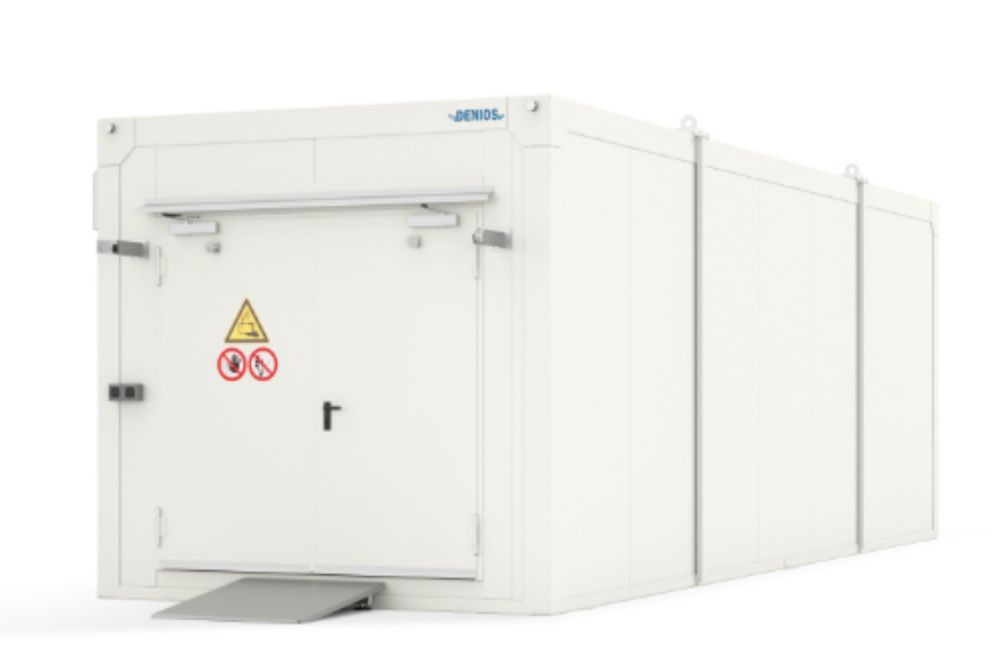
IT Tech provides engineered storage systems designed to manage hazardous chemicals in laboratory, research, and industrial environments. These solutions support safe handling, regulatory compliance, and organized chemical storage across facilities of different scales.
- Fire resistance and corrosion protection: Cabinet structures incorporate fire-resistant construction, corrosion-resistant interiors, and spill containment features to manage leaks and protect surrounding laboratory infrastructure.
- Risk mitigation for pressure and combustion hazards: Industrial-grade units include pressure-relief mechanisms and structural designs that help manage combustion risks in environments handling large volumes of hazardous chemicals.
- Modular system architecture: Storage systems are designed to expand with operational needs, allowing facilities to scale from small laboratory installations to larger industrial storage environments.
- Wide range of storage configurations: Options include compact XS-Box and L-Box units for laboratory use, mid-capacity S-Box and M-Box systems, and larger XXL-Box solutions designed for bulk chemical storage.
- Compliance with international safety standards: Storage units are designed to align with recognized safety frameworks, including OSHA guidelines, NFPA fire safety codes, and EN safety standards.
- Support for regulatory and inspection requirements: Cabinet systems support compliance with hazardous material storage guidelines and workplace safety regulations, helping laboratories prepare for inspections and regulatory reviews.
- Monitoring and environmental control options: Configurable ventilation systems, monitoring modules, and storage layouts help maintain safe storage conditions while improving traceability and facility management.
Discover Flammable & Acid Storage Cabinets at IT Tech
Laboratories and industrial facilities require storage systems that support safe chemical handling, regulatory compliance, and reliable operations. IT Tech provides safety cabinet solutions designed to protect flammable and corrosive materials while supporting organized, scalable storage across research and production environments.
Enrich your scientific journey with IT Tech’s safety cabinet solutions. Explore our specialized storage systems, engage with our engineering expertise, and equip your facility with solutions designed to support safe, compliant, and high-performing laboratory operations.
Products You may Like
Check out other IT- Tech product that suit your taste
Subscribe to our newsletter
Stay updated with IT-Tech Insights
Related posts
Check out other IT- Tech Scientific Resources