






























.png)


Choose the Perfect Safety Cabinet for Your Needs
.png)
The Crucial Role of Safety Cabinets in Laboratories
In the realm of scientific research and development, laboratories serve as the bedrock of innovation spaces where groundbreaking discoveries are made and technological advancements are propelled forward. However, the very nature of laboratory work involves handling hazardous chemicals, biological agents, and volatile materials, which pose inherent risks to personnel and the surrounding environment. To mitigate these risks and maintain a controlled workspace, safety cabinets are essential.
Safety Cabinets are not just support equipment they are critical components of laboratory safety infrastructure. Laboratories routinely work with flammable chemicals, corrosive acids, volatile batteries, and biohazardous agents. These materials, while essential to innovation, pose serious threats to personnel, equipment, and the environment. Without proper containment, a single spill, fire, or exposure could halt operations or endanger lives. Safety cabinets provide the essential line of defense, offering secure, compliant storage for hazardous substances. By safely containing dangerous materials, these cabinets help laboratories prevent accidents and chemical exposures, protect staff from toxic fumes and splash hazards, reduce fire risks through fire-resistant storage design, support compliance with OSHA, NFPA, SS 508, and EN standards, and maintain clean, organized, and efficient workspaces.
The importance of safety cabinets extends beyond the protection of laboratory personnel. They also play a crucial role in safeguarding the environment by preventing the release of hazardous substances into the atmosphere. This is particularly important in laboratories that handle volatile chemicals, radioactive materials, or infectious agents. By containing these substances within the cabinet, safety cabinets help to minimize the risk of environmental contamination and ensure compliance with regulatory standards
The selection of the appropriate safety cabinet is a critical decision that should not be taken lightly. Different types of safety cabinets are available, each designed to meet specific safety requirements and application needs. Understanding the various types of safety cabinets, their functionalities, and the factors influencing their selection is essential for ensuring the optimal protection of personnel, the environment, and the integrity of research activities.
This article delves into the world of safety cabinets, providing a comprehensive overview of their types, functionalities, and selection criteria. It aims to equip laboratory professionals, project managers, procurement managers, and C-suites in the scientific industry with the knowledge and insights necessary to choose the perfect safety cabinet for their specific needs. By understanding the nuances of safety cabinet selection, laboratories can create a safer and more efficient working environment, fostering innovation and scientific progress while ensuring the well-being of their personnel and the environment.
The article will explore the following key aspects of safety cabinets:
- Types of Safety Cabinets: A detailed overview of the different types of safety cabinets available, including their design features, functionalities, and applications.
- Safety Cabinet Selection Criteria: A comprehensive guide to the factors that should be considered when selecting a safety cabinet, such as the type of hazard, the level of containment required, and the specific application.
- Safety Cabinet Installation and Maintenance: Practical advice on the proper installation, operation, and maintenance of safety cabinets to ensure optimal performance and safety.
- Safety Cabinet Regulations and Standards: A discussion of the relevant regulations and standards governing the use and design of safety cabinets, ensuring compliance and best practices.
By providing a thorough understanding of safety cabinets, this article aims to empower laboratory professionals to make informed decisions regarding their selection and use, ultimately contributing to a safer and more productive laboratory environment.
The Importance of Safety Cabinets in Laboratories
Laboratories are dynamic environments where scientists and technicians regularly handle a variety of hazardous substances such as flammable liquids, corrosive chemicals, and reactive materials. In these high-stakes settings, the safety of personnel, the integrity of experiments, and compliance with regulatory requirements all hinge on proper hazardous material storage. This is where safety cabinets become indispensable.
Proper storage of hazardous materials is not just about organization it’s a critical safety measure that protects lab workers from exposure to dangerous chemicals and minimizes the risk of accidents such as fires, spills, or chemical reactions. With flammable solvents, corrosive acids, and reactive agents often in use, even a small mistake can have severe consequences.Safety storage cabinets act as specially designed enclosures that isolate these materials from the general lab environment. By containing harmful vapors, reducing fire risks, and preventing accidental contact, these cabinets create a safer workspace for everyone from researchers to maintenance staff.
Beyond protecting personnel, safety cabinets also play a vital role in preserving the integrity of scientific research. Chemicals stored inappropriately can degrade or contaminate samples, leading to unreliable experimental results. Using dedicated cabinets designed for specific types of hazardous materials ensures that sensitive compounds remain stable and uncontaminated.Furthermore, laboratories must comply with strict health, safety, and environmental regulations. Safety cabinets are engineered to meet or exceed these standards, helping facilities avoid costly penalties and shutdowns. They also contribute to sustainable lab management by preventing chemical leaks and environmental contamination.
The importance of safety cabinets in laboratories cannot be overstated. They are essential for a wide range of applications, including:
- Chemical Handling and Storage: Safety cabinets provide a secure and controlled environment for handling and storing volatile, corrosive, or flammable chemicals. They effectively contain fumes and vapors, preventing their release into the laboratory and minimizing the risk of accidental exposure or ignition.
- Biological Research: In biological research, safety cabinets are indispensable for working with infectious agents, such as bacteria, viruses, and fungi. They create a sterile environment, preventing the spread of pathogens and protecting researchers from potential contamination.
- Radioactive Material Handling: Safety cabinets are specifically designed to handle radioactive materials, ensuring the safe containment and disposal of radioactive waste. They protect researchers from exposure to ionizing radiation and prevent the release of radioactive particles into the environment.
- Pharmaceutical and Biotechnology Research: In pharmaceutical and biotechnology research, safety cabinets are essential for handling and processing sensitive materials, such as drugs, vaccines, and biological samples. They provide a controlled environment, minimizing the risk of contamination and ensuring the integrity of research results.
- Environmental Monitoring: Safety cabinets are used in environmental monitoring laboratories to analyze air, water, and soil samples for pollutants and contaminants. They provide a safe and controlled environment for handling potentially hazardous samples, protecting researchers from exposure to harmful substances.
Types of Safety Cabinets
Safety cabinets come in a variety of types, each designed to meet specific safety requirements and applications. Each type of cabinet is part of a broader ecosystem of lab furniture, including lab benches, lab chairs, and lab cabinets, all designed to support ergonomic, safe, and efficient workflows. Understanding the different types of safety cabinets is crucial for selecting the most appropriate one for a particular laboratory setting. The most common types of safety cabinets include:
1. Biological Safety Cabinets (BSCs)
Biological safety cabinets (BSCs) are designed to protect researchers from infectious agents and to prevent the contamination of samples and the environment. They operate on the principle of airflow, creating a sterile environment within the cabinet. BSCs are typically used for working with infectious agents, such as bacteria, viruses, and fungi, and for handling sensitive biological samples.
There are three classes of BSCs, each with its own level of containment and protection:
- Class I BSCs: Class I BSCs provide protection for the researcher but not for the sample or the environment. They have an inward airflow that draws air into the cabinet, preventing the release of infectious agents into the laboratory. However, they do not provide a sterile environment within the cabinet.
- Class II BSCs: Class II BSCs provide protection for the researcher, the sample, and the environment. They have a combination of inward and downward airflow, creating a sterile environment within the cabinet and preventing the release of infectious agents into the laboratory. Class II BSCs are the most commonly used type of BSC in research laboratories.
- Class III BSCs: Class III BSCs provide the highest level of containment, protecting the researcher, the sample, and the environment from highly infectious agents. They are completely sealed enclosures with a negative pressure environment, ensuring that no infectious agents can escape into the laboratory. Class III BSCs are typically used for working with highly contagious or dangerous pathogens.
2. Flammable Safety Cabinets
Flammable safety cabinets are designed for storing flammable liquids like ethanol, acetone, and methanol. Made from double-walled steel and equipped with fire-resistant insulation, these cabinets can withstand extreme temperatures and contain fires for a period long enough to evacuate the lab. A flammable safety cabinet significantly reduces fire hazards by isolating these liquids from ignition sources. They come in various configurations based on door operation, size, and fireproofing needs. Each type serves specific lab layouts, safety protocols, and storage volumes. Each type serves specific lab layouts, safety protocols, and storage volumes.
- Manual-Closing Cabinet: Manual Closing cabinet doors must be closed manually after used as it is cost effective and suitable for low- risk environment. It also requires adherence to protocols to ensure doors are not left open.
- Self-Closing Cabinets : Self- Closing cabinets door automatically shut after use (often via a fusible link that melts during a fire).They enhances fire protection by ensuring the cabinet is always sealed required by many fire codes for high-risk areas
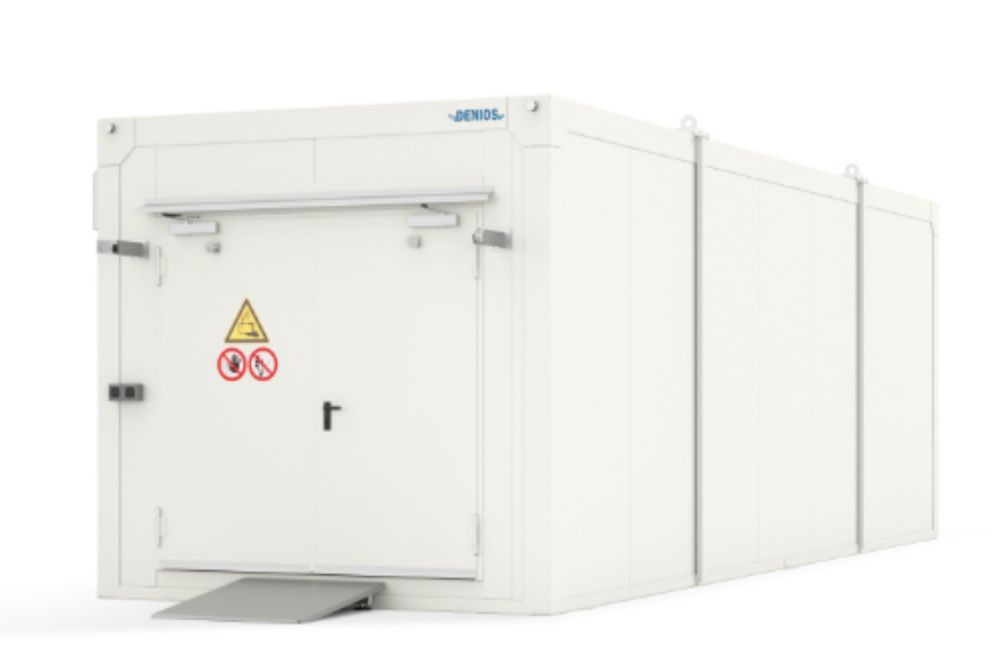
- Outdoor Flammable Storage Lockers: The Outdoor Flammable Storage Locker is a heavy-duty, weatherproof cabinet designed for large-volume storage outside the lab, providing secure, regulation-compliant solutions ideal for industrial facilities or areas with limited indoor space.
- Wall-Mounted Cabinets: Wall Mounted Cabinets are installed above workstations to optimize vertical space, providing storage for small quantities of flammable liquids while helping to reduce floor clutter, though they have a limited weight capacity.
3. Corrosive Safety Cabinets
Corrosive safety cabinets are constructed from materials that resist corrosion, such as polypropylene or epoxy-coated steel. They are ideal for storing acids, bases, and alkaline solutions. These are designed to store highly reactive substances such as hydrochloric acid, sulfuric acid, nitric acid, sodium hydroxide, and ammonia. Unlike flammable cabinets, corrosive cabinets prioritize chemical resistance over fire resistance.
- Epoxy-Coated Steel Cabinets: Epoxy-coated steel cabinets are made from durable steel that is coated with a chemical-resistant epoxy paint, making them more fire-resistant and long-lasting than plastic models; they are best suited for storing moderate corrosives such as alcohols and common cleaning agents, and are widely used in facilities that require both fire resistance and corrosion protection.
- Stainless steel Cabinets: Stainless steel cabinets, constructed from 316-grade stainless steel, offer maximum corrosion resistance, making them an excellent though higher-cost choice for storing oxidizers, high-purity acids, and highly reactive substances, they are commonly used in pharmaceutical environments, cleanrooms, and tightly regulated industries.
- Ventilated Corrosive Cabinets:Ventilated corrosive cabinets are equipped with mechanical or ducted ventilation ports, specifically designed to reduce the buildup of toxic or corrosive vapors, making them essential for storing chemicals that off-gas or react with humidity.
4. Lithium Ion Battery Cabinets
Lithium ion battery cabinets are designed to safely store lithium-ion batteries, which can overheat or combust under certain conditions. Modern labs increasingly rely on lithium-ion batteries for portable equipment, sensors, and robotics. These batteries are powerful but pose thermal runaway risks meaning they can overheat, catch fire, or explode without warning.
- Standard Battery Storage Cabinets: Standard battery storage cabinets are designed for general-purpose use, offering safe storage for sealed batteries such as lead-acid or NiMH, and come equipped with non-conductive shelving, lockable doors, and basic ventilation, making them ideal for workshops, labs, and server rooms.
- Ventilated Battery Cabinets: Ventilated battery cabinets are equipped with duct ports or mechanical fans to safely disperse gases like hydrogen, making them crucial when storing lead-acid batteries in environments such as UPS rooms and industrial control panels.
- Explosion-Proof Battery Cabinets: Explosion-proof battery cabinets are engineered with anti-static features, pressure-relief systems, and rugged steel construction, making them essential for storing batteries in hazardous zones or ATEX-regulated environments where ignition risks are high.
Factors to Consider in Choosing Safety Cabinets

Choosing the right safety cabinet for a particular laboratory setting is a critical decision that requires careful consideration of several factors. The following factors should be taken into account when selecting a safety cabinet:
1. Type of Hazard
The type of hazard being handled is the most important factor to consider when choosing a safety storage cabinet. If the hazard is a chemical, a fume hood is typically the best choice. If the hazard is a biological agent, a BSC is required. If the hazard is a radioactive material, a glove box or a specialized safety cabinet designed for radioactive materials is necessary.
2. Level of Containment
The level of containment required is another important factor to consider. If the hazard is highly toxic or infectious, a higher level of containment is required. For example, a Class III BSC is required for working with highly contagious or dangerous pathogens, while a Class I BSC may be sufficient for working with less hazardous materials.
3. Workload
The workload of the laboratory should also be considered when choosing a safety cabinet. If the laboratory has a high workload, a larger safety cabinet may be required. For example, a walk-in fume hood may be necessary for handling large quantities of hazardous materials.
4. Space Availability
The space available in the laboratory is another important factor to consider. Safety cabinets can take up a significant amount of space, so it is important to ensure that there is enough space available for the chosen cabinet.Proper integration with other lab furniture, such as lab benches, lab cabinets, and lab chairs, contributes to an efficient and safe workspace.
5. Budget
The budget of the laboratory is also a factor to consider. Safety cabinets can range in price from a few thousand dollars to tens of thousands of dollars, depending on the type of cabinet and its features. It is important to choose a safety cabinet that meets the needs of the laboratory without exceeding the budget.
6. Maintenance Requirements
Safety cabinets require regular maintenance to ensure their proper operation. It is important to choose a safety cabinet that has reasonable maintenance requirements and that can be easily maintained by the laboratory staff.
7. Regulatory Compliance
Safety cabinets must comply with all applicable regulatory requirements as part of a broader commitment to facility maintenance and work safety. It is important to choose a safety cabinet that meets the standards set by relevant regulatory agencies, such as OSHA or the EPA.
Conclusion
Safety cabinets are essential equipment in laboratories, providing a safe and controlled environment for handling hazardous materials and protecting researchers from exposure to harmful substances. Choosing the right safety cabinet for a particular laboratory setting is a critical decision that requires careful consideration of several factors, including the type of hazard, the level of containment, the workload, the space availability, the budget, the maintenance requirements, and regulatory compliance. By carefully considering these factors, laboratories can ensure that they have the appropriate safety cabinets in place to protect their researchers, their samples, and the environment.
Navigating the Labyrinth of Safety Cabinets
The journey to selecting the perfect safety cabinet for your laboratory is not a straightforward one. It's a labyrinthine path filled with diverse options, each with its own unique strengths and limitations. This article has aimed to illuminate the key considerations that will guide you through this maze, ensuring you make a choice that aligns perfectly with your specific needs and safeguards the well-being of your team and the integrity of your research.
We've delved into the critical aspects of safety cabinet selection, from understanding the different types and their respective applications to navigating the intricacies of safety standards and certifications. We've explored the importance of proper ventilation and filtration systems, emphasizing the need for cabinets that effectively contain hazardous materials and protect users from exposure. We've also highlighted the significance of ergonomics and user-friendliness, ensuring that your chosen cabinet facilitates efficient workflow and minimizes the risk of accidents.
The decision-making process is further complicated by the diverse range of materials used in safety cabinet construction. We've examined the advantages and disadvantages of various materials, including stainless steel, polypropylene, and epoxy-coated steel, helping you weigh the factors of durability, chemical resistance, and ease of cleaning. We've also emphasized the importance of considering the specific hazards present in your laboratory and selecting a cabinet that provides adequate protection against those hazards.
Ultimately, the ideal safety cabinet is not a one-size-fits-all solution. It's a tailored choice that reflects the unique requirements of your laboratory environment. By carefully considering the factors discussed in this article, you can navigate the labyrinth of safety cabinets with confidence, selecting a solution that ensures the safety of your team, the integrity of your research, and the smooth operation of your laboratory.
The IT Tech Advantage: Your Partner in Laboratory Safety
At IT Tech, we understand the complexities of laboratory safety and the critical role that safety cabinets play in safeguarding your research and your team. We offer a comprehensive range of safety cabinets, each meticulously designed and engineered to meet the highest industry standards. Our portfolio encompasses:
- Fume Hoods: Providing superior ventilation and containment for hazardous fumes and vapors.
- Biological Safety Cabinets: Protecting users and the environment from biological hazards through HEPA filtration.
- Chemical Storage Cabinets: Securely storing and managing hazardous chemicals, ensuring compliance with safety regulations.
- Flammable Storage Cabinets: Designed to safely store flammable liquids, minimizing the risk of fire hazards.
- Acid Storage Cabinets: Providing robust protection against corrosive acids and ensuring safe handling.
Beyond our extensive product selection, IT Tech offers unparalleled expertise and support. Our team of dedicated professionals is committed to providing personalized guidance, helping you choose the perfect safety cabinet for your specific needs. We offer comprehensive installation and maintenance services, ensuring that your safety cabinets operate optimally and remain compliant with all relevant regulations.
Take the Next Step: Secure Your Laboratory's Safety
Don't leave your laboratory's safety to chance. Partner with IT Tech, your trusted source for high-quality safety cabinets and expert guidance. Contact us today to discuss your specific requirements and explore our comprehensive range of solutions. Let us help you create a safe and efficient laboratory environment, where research thrives and safety is paramount.
Submit an enquiry now and take the first step towards a safer, more secure laboratory environment. Together, let's build a future where scientific progress and safety go hand in hand.
Products You may Like
Check out other IT- Tech product that suit your taste
Subscribe to our newsletter
Stay updated with IT-Tech Insights
Related posts
Check out other IT- Tech Scientific Resources