







































.png)

The Crucial Role Laboratory Furniture in Research Efficiency
Introduction: Where Science Meets Design
In the high-stakes world of scientific research, precision is everything from the formulation of hypotheses to the execution of experiments. But one often-overlooked contributor to successful research outcomes is laboratory furniture. Yes, the bench you lean on, the cabinet that stores your samples, the stool you sit on for hours all play a pivotal role in enabling scientific breakthroughs.
This article explores the dynamic relationship between lab furniture and research efficiency, whether you are setting up a new lab or revamping an existing one, this comprehensive guide will help you make informed decisions that support productivity, safety, and innovation. If you're ready to upgrade or set up your lab, now is the perfect time to buy lab furniture that enhances your research space.
Understanding the Importance of Laboratory Furniture in Scientific Research
Modern research labs must do more than provide a place to work they must enhance work. Poorly designed lab environments contribute to errors, fatigue, and reduced productivity. Laboratory furniture acts as a physical framework that supports daily scientific operations. From facilitating smooth workflows to enabling strict hygiene standards, furniture quality can directly affect experiment outcomes.
For instance, improperly aligned workbenches or non-ergonomic chairs can slow down processes, cause discomfort, and even lead to workplace injuries. Meanwhile, well-organized and purpose-built furniture, especially ISO certified lab furniture, can dramatically improve time management, reduce contamination risks, and help ensure regulatory compliance.
Types of Laboratory Furniture and Their Impact on Efficiency
Workbenches and Lab Tables
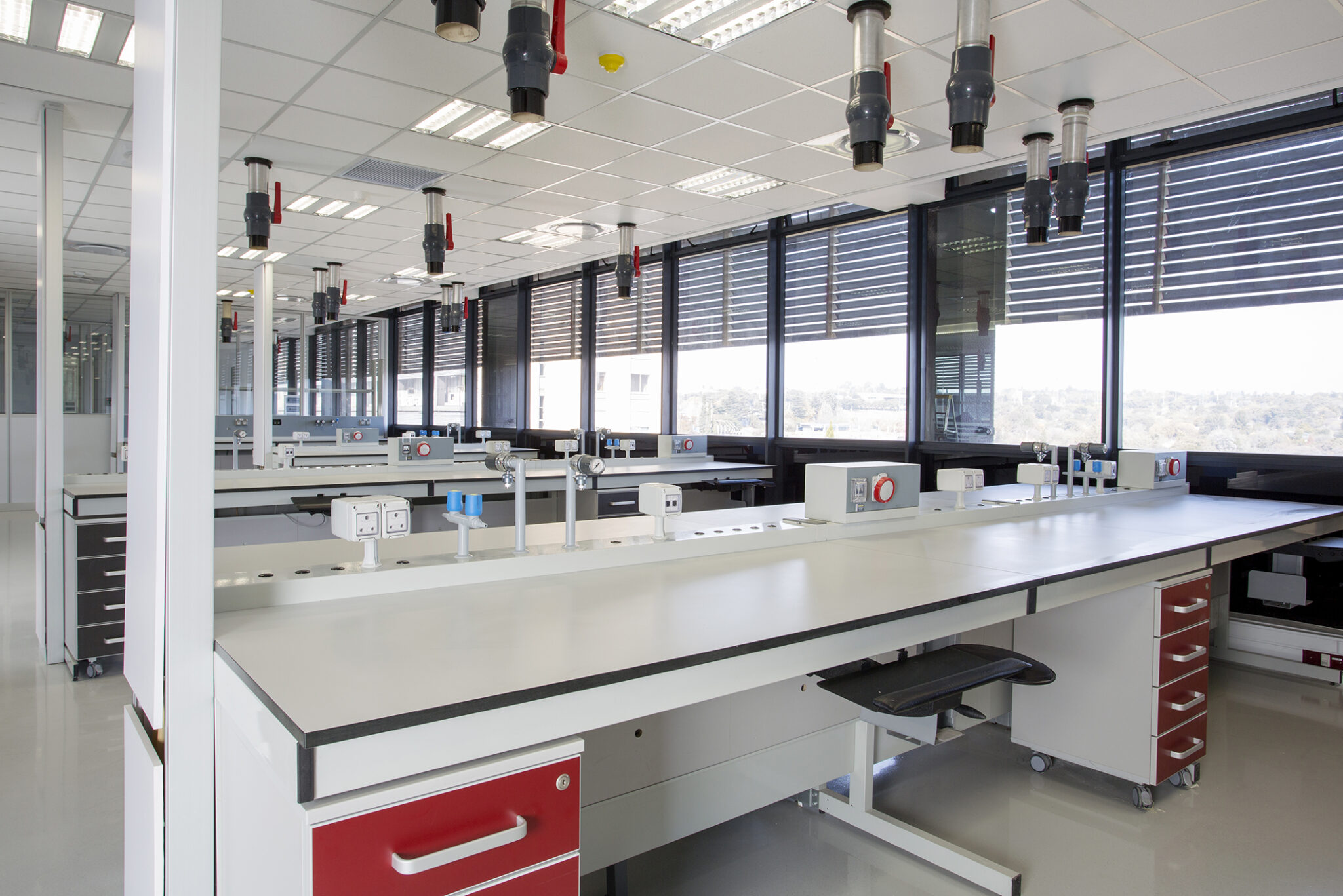
These are the heart of every lab. Workbenches provide the primary surface for experimental tasks. Choose height-adjustable tables for ergonomic benefit and stainless-steel or epoxy resin surfaces for durability and chemical resistance. Consider anti-vibration designs for precision instruments like microscopes and spectrophotometers.
Lab Cabinets and Storage Solutions
Effective storage promotes clean, uncluttered workspaces and quicker access to tools. Modular cabinets allow for reconfiguration as your research evolves. Choose fire-resistant or lockable units for chemical and equipment safety. Vertical storage units also help maximize space in compact labs.
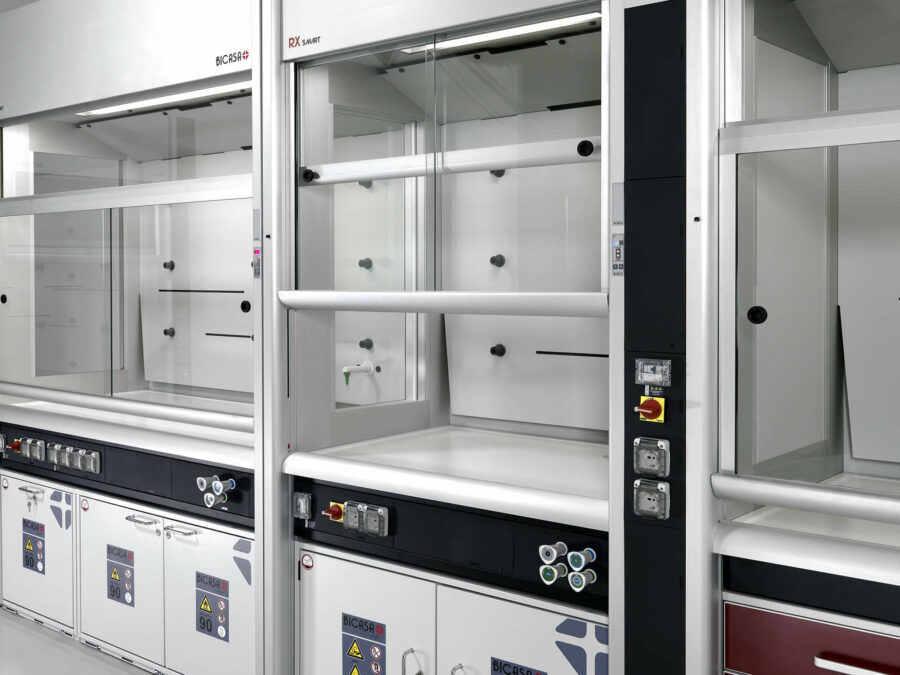
Fume Hoods and Safety Enclosures
The fumehood protects users from toxic fumes, chemical spills, and airborne hazards. Ducted or ductless versions can be chosen based on lab needs. Enclosures for biosafety or PCR work help maintain sterile environments and prevent cross-contamination.
Lab Seating
Ergonomic stools and chairs with adjustable height, lumbar support, and swivel bases are essential for researchers who spend long hours seated. Anti-fatigue footrests and mats also enhance comfort and concentration. If you are a lab equipment distributor , showcasing a variety of lab furniture Singapore customers demand is key to addressing consumer pain points.
Key Factors to Consider When Selecting Laboratory Furniture
- Material Durability: Look for surfaces resistant to heat, corrosion, chemicals, and biological agents. Materials like phenolic resin, stainless steel, and powder-coated metal offer long-lasting performance.
- Flexibility and Modularity: Modular designs can be customized and reconfigured for different experiments or team setups. This adaptability supports evolving research and lab expansions.
- Compliance and Safety: Verify adherence to standards like SEFA, OSHA, ISO, or ANSI. Anti-tip cabinets, fire-proof storage, and integrated grounding systems enhance safety.
- Budget and Lifecycle Cost: While budget constraints are real, prioritize furniture with high durability and low maintenance requirements to reduce total cost of ownership.
- Space Optimization: Ensure furniture fits within the lab layout without crowding walkways. Mobile units and stackable solutions make better use of vertical and floor space.
The Relationship Between Laboratory Layout and Research Productivity
An efficient layout means fewer disruptions and smoother workflows. Strategic placement of furniture creates zones for preparation, experimentation, data analysis, and cleanup. A good layout considers traffic flow, lighting, and proximity to utilities like water, gas, and electricity.
Zoning prevents unnecessary movement between tasks, reduces contamination, and enhances safety. For example, positioning analytical benches close to sample prep areas reduces transport time and potential sample degradation.
How Modern Laboratory Furniture Enhances Workflow
Today’s labs need to be agile. Modern furniture solutions address this through:
- Mobile benches and carts: Easily reconfigured for new experiments or collaborative work.
- Integrated utilities: Benches with built-in sinks, power outlets, and data ports reduce the need for external fittings and cables.
- Cable management systems: Reduce tripping hazards and improve cleanliness.
- Digital readiness: Docking stations for lab instruments, USB ports, and monitor mounts support smart lab integration.
Ergonomics and Its Role in Reducing Research Fatigue
Long hours in the lab can lead to physical strain. Ergonomically designed furniture minimizes discomfort and injury:
- Sit-stand benches: Allow users to alternate between sitting and standing, promoting blood circulation and reducing fatigue.
- Adjustable chairs: Support correct posture with adjustable height, backrest angle, and seat depth.
- Anti-fatigue matting: Cushioned mats relieve pressure on feet and legs during extended standing periods.
- Footrests and arm supports: Help maintain ideal posture and reduce repetitive strain injuries.
Customizing Laboratory Furniture to Meet Specific Research Needs
Every lab has unique requirements depending on its discipline and workflow. Customization offers:
- Bespoke dimensions: For labs with unusual floorplans or specialized equipment.
- Special materials: Flame-retardant surfaces for chemical labs or non-reactive finishes for biological research.
- Task-specific configurations: Add-ons like built-in waste disposal, lockable storage, or integrated microscopes.
Customization enhances productivity by aligning furniture with tasks. For example, a molecular biology lab might integrate UV lighting and cold storage into the same workstation for PCR workflows.
Sustainability in Laboratory Furniture Design
Labs produce significant waste and consume large amounts of energy. Sustainable lab furniture reduces environmental impact and operating costs.
- Eco-friendly materials: Use of recycled steel, FSC-certified wood, or low-emission laminates.
- Energy-efficient manufacturing: Processes that consume less power and water.
- Furniture longevity: High-quality items that don’t require frequent replacement.
- End-of-life recyclability: Easy to dismantle and recycle components at the end of use.
Green lab initiatives also help labs qualify for certifications like LEED, BREEAM, or Singapore’s Green Mark.
Common Mistakes in Laboratory Furniture Selection and How to Avoid Them
- Ignoring User Feedback: Lab designers often overlook user needs. Always include lab technicians and researchers in the planning stage.
- Choosing Based on Price Alone: Cheap furniture may save money initially but often lacks durability, safety features, and compliance.
- Overlooking Ergonomics: Leads to increased sick leaves, reduced focus, and poor staff morale.
- Neglecting Compliance: Using non-certified furniture could jeopardize lab accreditation and safety.
- Underestimating Storage Needs: Research data, equipment, and samples grow over time plan with scalability in mind.
Conclusion: Invest in Furniture, Invest in Research
Lab furniture isn’t just infrastructure it’s a strategic asset that enhances research outcomes. The right setup boosts efficiency, reduces errors, and improves team well-being. Whether you are a lab director, a project manager, or a procurement lead, smart investment in lab furniture is an investment in productivity and safety. If you're planning to buy lab furniture, make sure to choose a provider who understands your specific research requirements and offers long-term support.
Ready to design a lab that works as hard as your researchers do?
Contact IT Tech or book a free consultation with our lab furniture experts in Singapore. We’ll help you find the best solutions for your scientific workspace.
Products You may Like
Check out other IT- Tech product that suit your taste
Subscribe to our newsletter
Stay updated with IT-Tech Insights
Related posts
Check out other IT- Tech Scientific Resources