






















.png)

What is a Nitrogen Gas Generator Used For?
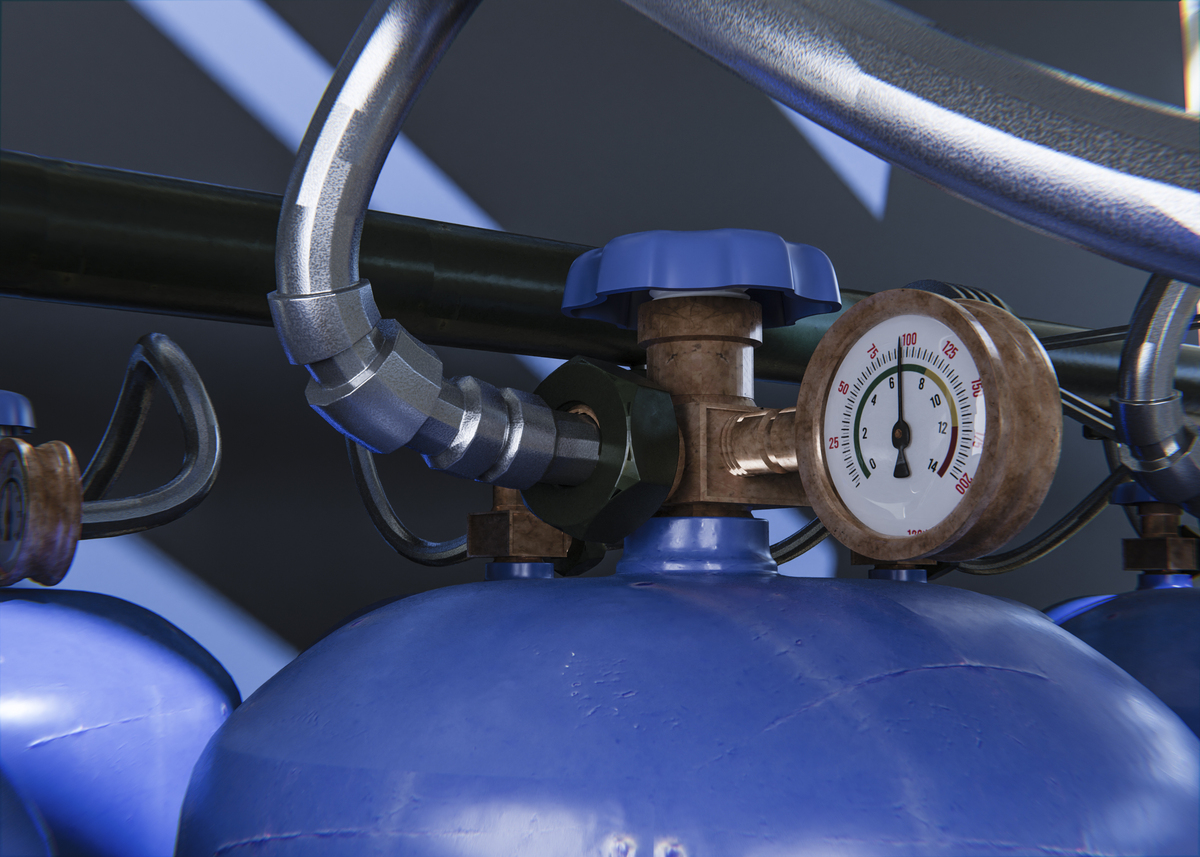
Nitrogen gas is essential for obtaining precise, verified data across numerous scientific disciplines. To meet this critical need, a nitrogen gas generator is used to supply high-purity gas on demand, directly addressing the limitations of traditional supply methods.
Without a clean, stable gas source, highly advanced analytical instruments cannot achieve their intended performance, often compromising research outcomes. This reliance on a consistent gas supply compels modern laboratories to transition from unpredictable cylinder logistics toward a continuous nitrogen generation system.
Common Uses for a Nitrogen Gas Generator in Laboratories
A nitrogen gas generator is a valuable instrument because it eliminates the variability and interruptions associated with external supply. The device's applications span nearly every analytical workflow:
- Gas Chromatography (GC) Applications: Generators provide the high-purity nitrogen required to serve as a stable carrier gas, ensuring a consistent baseline and preventing interference in GC and GC-MS instruments.
- Sample Preparation: Nitrogen is used in solvent blowdown and evaporation techniques. It accelerates solvent removal in a controlled manner, producing concentrated samples for downstream analysis without compromising delicate compounds.
- Sample Preservation: Purging sample containers with inert nitrogen gas displaces oxygen. This action is critical for extending the stability and integrity of oxygen-sensitive materials during long-term storage.
- Inert Atmospheres: The device creates a controlled, clean, and inert environment. This is required for handling air-sensitive compounds inside glove boxes or specialized reaction vessels.
- Inductively Coupled Plasma Mass Spectrometry (ICP-MS) Optimization: The generator supplies a continuous stream of dry nitrogen that actively purges the instrument optics, eliminating atmospheric CO2 and water vapor that could corrupt spectral readings.
- FTIR Spectrometers: The generator supplies dry nitrogen to FTIR Spectrometers. This flow actively purges the instrument optics, removing atmospheric CO2 and water vapor that could corrupt spectral readings.
- Nuclear Magnetic Resonance (NMR) Functionality: In NMR applications, the gas assists with sample spinning and probe temperature control in variable-temperature experiments.
- Cell Culture Environment: The generator supplies gas to advanced In Vitro Fertilization (IVF) and cell culture labs. This accurately controls the incubator atmosphere, supporting delicate biological processes.
Procurement Options for Laboratory Nitrogen
Securing their nitrogen supply involves weighing the benefits and limitations of three primary procurement options. Each method presents distinct cost and operational trade-offs for scientific work.
- Nitrogen Tanks, Cylinders, or Dewars: The traditional method offers the highest available purity and requires a simple initial setup. Yet, this convenience comes with significant safety hazards due to the handling of pressurized gas. It also necessitates constant logistical coordination for refills and carries unpredictable, high rental and refill costs over time.
- Built-In Nitrogen Source: A highly centralized nitrogen generation setup provides a high capacity for large organizations. In contrast, the solution demands complex lab engineering. Implementation involves substantial gas piping installation, resulting in a high initial investment. The system also suffers from a single point of failure that can immediately halt laboratory operations.
- Nitrogen Generator: A nitrogen generation system provides modern, on-demand nitrogen. It offers a safer solution because it operates at low pressure. Additionally, it ensures a low cost per liter over time. This provision completes the shift toward eliminating logistical demands and the need for cylinder management.
Selecting the Right Generator Technology
Choosing a lab gas generator involves selecting the appropriate technology based on the desired purity and flow capacity.
- Membrane-Based: This method separates air by using the selective permeation rates of gases through a specialized fiber membrane. It is simpler to operate and requires less maintenance. However, it typically yields lower purity and stability compared to alternative systems.
- PSA (Pressure Swing Adsorption) Technology: This process separates gases by adsorbing nitrogen and releasing contaminants under pressure. It provides superior purity and higher flow capacity. The underlying mechanism is more complex, resulting in a higher initial purchase price.
Upgrade to On-Demand Nitrogen: Partner with IT Tech
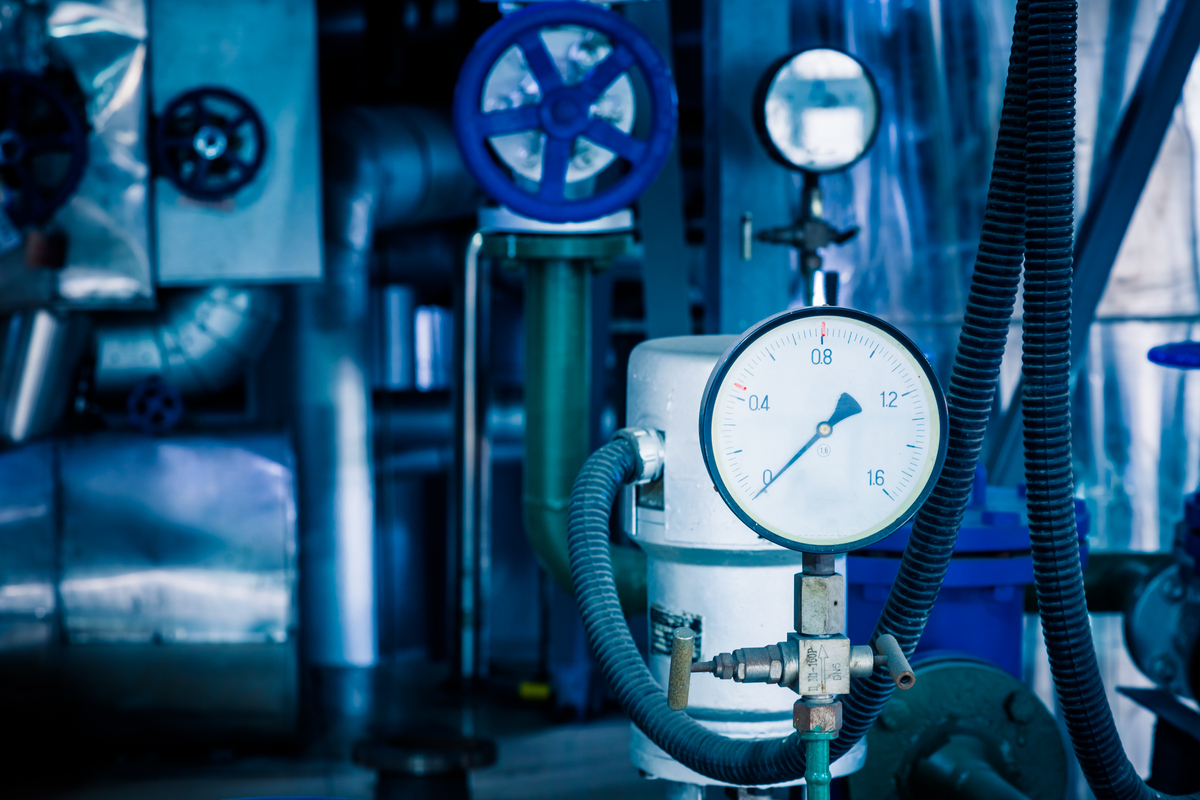
The decision to install a nitrogen generator is a strategic move toward operational independence and cost savings. This investment minimizes risks for lab users, streamlines procurement logistics, and ensures process stability for scientists.
IT Tech is the experienced lab equipment supplier in Singapore that professionals trust for this transition. We supply a sophisticated range of lab gas generators with a short lead time. Backed by our engineering expertise, our experts help you determine the right gas piping and distribution components to ensure your system is sized correctly and seamlessly integrated. Partner with us to future-proof your lab's analytical workflow.
For a comprehensive overview of selection criteria and maintenance, you can refer to our complete guide to lab gas generators.
Products You may Like
Check out other IT- Tech product that suit your taste
Subscribe to our newsletter
Stay updated with IT-Tech Insights
Related posts
Check out other IT- Tech Scientific Resources