.png)


















.png)


















Biosafety Cabinet Class 1 vs Class 2 vs Class 3: What's the Difference?

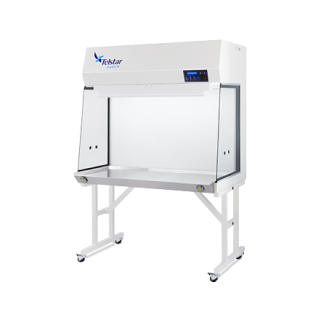
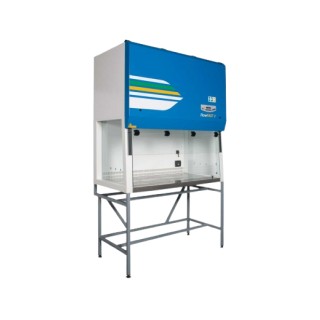
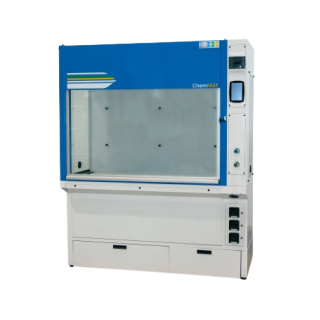
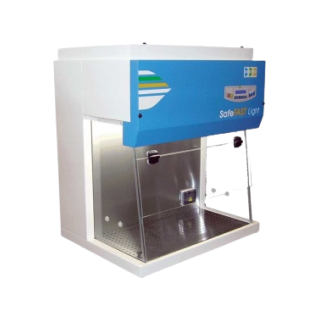
Biosafety cabinets are classified into three distinct classes: Class 1, Class 2, and Class 3. Each is designed for a specific level of biological risk and a different combination of protection requirements. Understanding each biosafety cabinet class is important for both safety compliance and selecting the right equipment for the work being done.
The core distinction lies in which parties are protected: laboratory personnel, the product or sample being handled, and the external environment. A biosafety cabinet used for routine cell culture work operates on fundamentally different airflow principles from those required for high-containment research with dangerous pathogens.
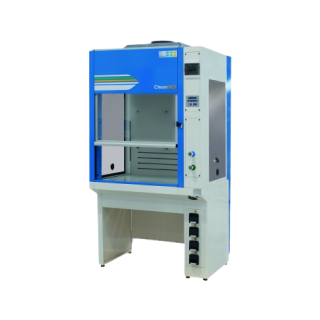
What is a Class 1 Biosafety Cabinet?
A Class 1 biosafety cabinet protects personnel and the environment, but provides no product protection. Room air is drawn inward through the open front, flows across the work surface, and is exhausted through a HEPA filter. This inward airflow prevents biological aerosols from escaping the cabinet, but ambient contaminants from the surrounding room can reach the sample freely.
Class 1 cabinets are suited to low-to-moderate risk biological agents where sample contamination is not a concern. They are also used for work involving non-volatile toxic chemicals in combination with biological procedures that require basic containment.
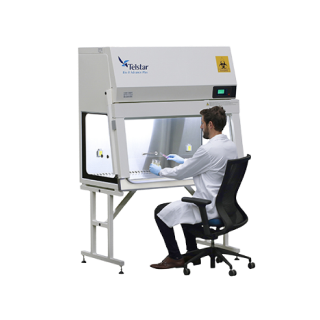
What is a Class 2 Biosafety Cabinet?
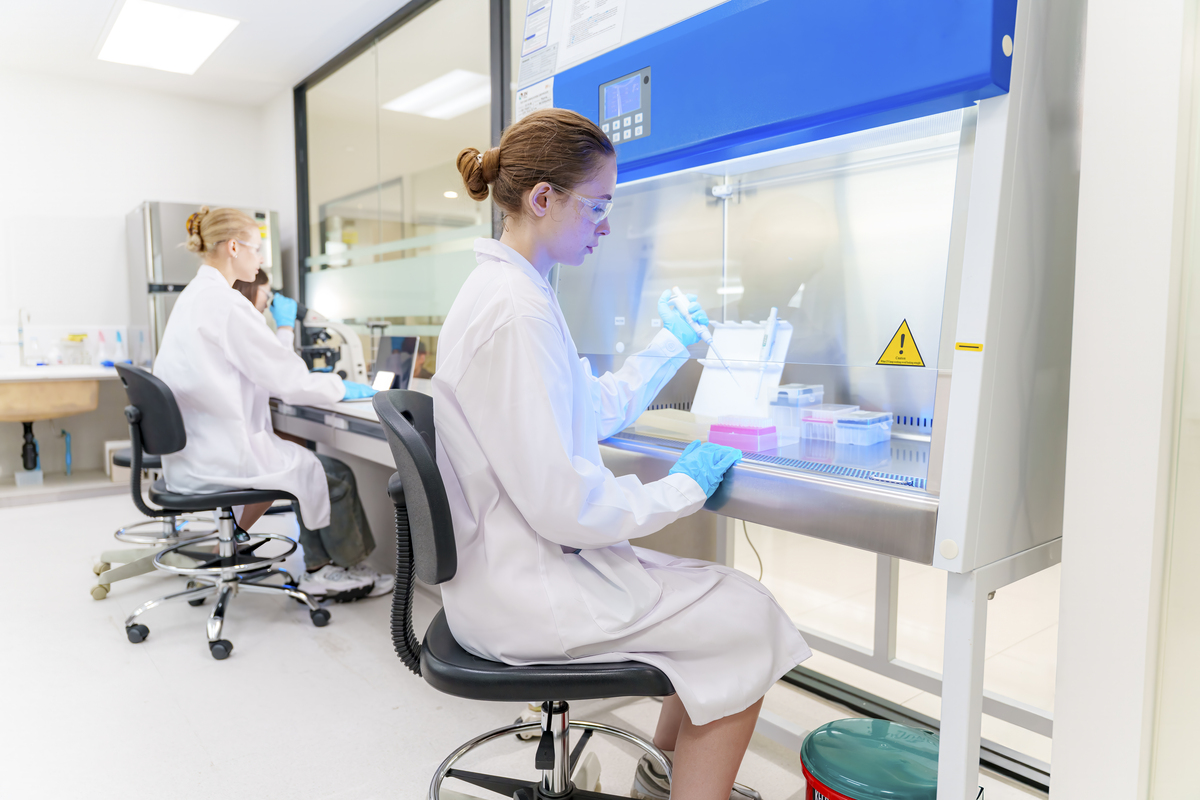
The Class 2 biosafety cabinet is the most widely used biosafety cabinet type in research, clinical, and pharmaceutical laboratories. It provides three-way protection: personnel, product, and environment. HEPA-filtered air flows downward over the work surface while a portion is recirculated; the remainder is exhausted through a second HEPA filter.
Class 2 cabinets are divided into four subtypes: A1, A2, B1, and B2. These differ in airflow configuration, recirculation percentage, and exhaust method. A2 is the standard subtype for general cell culture and microbiology work. B1 and B2 are required for procedures involving volatile toxic chemicals or radionuclides, due to their hard-ducted exhaust systems.
Selecting between them requires a closer look at the types of biosafety cabinets available and how exhaust requirements differ across each subtype.
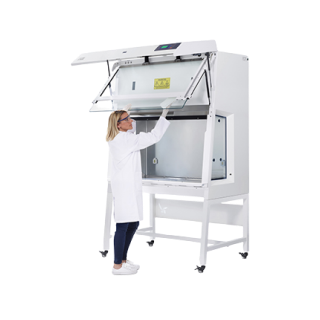
What is a Class 3 Biosafety Cabinet?
A Class 3 biosafety cabinet is a fully enclosed, gas-tight unit that provides the highest level of biological containment. It is designed for work with dangerous pathogens at Biosafety Level 4 (BSL-4), where direct contact between the operator and the working environment must be entirely eliminated. All procedures are performed through rubber gloves integrated into the sealed cabinet wall, and both supply and exhaust air are HEPA filtered.
Class 3 cabinets are found in dedicated high-containment facilities. They are not standard equipment in routine research or clinical laboratories.
Class 1 vs Class 2 vs Class 3: How to Choose the Right Biosafety Cabinet Class
The key difference between a Class 1 and Class 2 biosafety cabinet is product protection. Class 2 adds HEPA-filtered downflow air to protect the sample from ambient contamination; Class 1 does not. For any work where contamination of a culture or sample would compromise results, Class 2 is the minimum requirement.
For most laboratory applications, including microbiology, cell culture, and biopharma work, a Class 2 A2 unit covers the requirement. Class 1 suits non-sensitive containment procedures. Class 3 is reserved for BSL-4 environments and select-agent research involving the highest-risk pathogens.
A laboratory biosafety cabinet must be matched to both the biosafety level of the agent being handled and the specific protection needs of the application. It is essential laboratory equipment, and the class specification is not a secondary consideration.
Source the Right Biosafety Cabinet with IT Tech
IT Tech supplies certified laboratory biosafety cabinets in Singapore across Class 2 and Class 3 configurations, with short lead times suited to both new lab builds and equipment replacement. Our team works with laboratories to identify the correct cabinet class and subtype based on the biosafety risk level of the agents being handled, the research application, and the facility's exhaust and ventilation requirements.
Not sure which biosafety cabinet class is right for your lab? Contact IT Tech today for expert advice.
Products You may Like
Check out other IT- Tech product that suit your taste
Subscribe to our newsletter
Stay updated with IT-Tech Insights
Related posts
Check out other IT- Tech Scientific Resources