







.png)









%20Standard.webp)







%20%26%20Metabolites%20Standard.jpeg)
%20Standards.png)














Best Practices Biological Sample Management
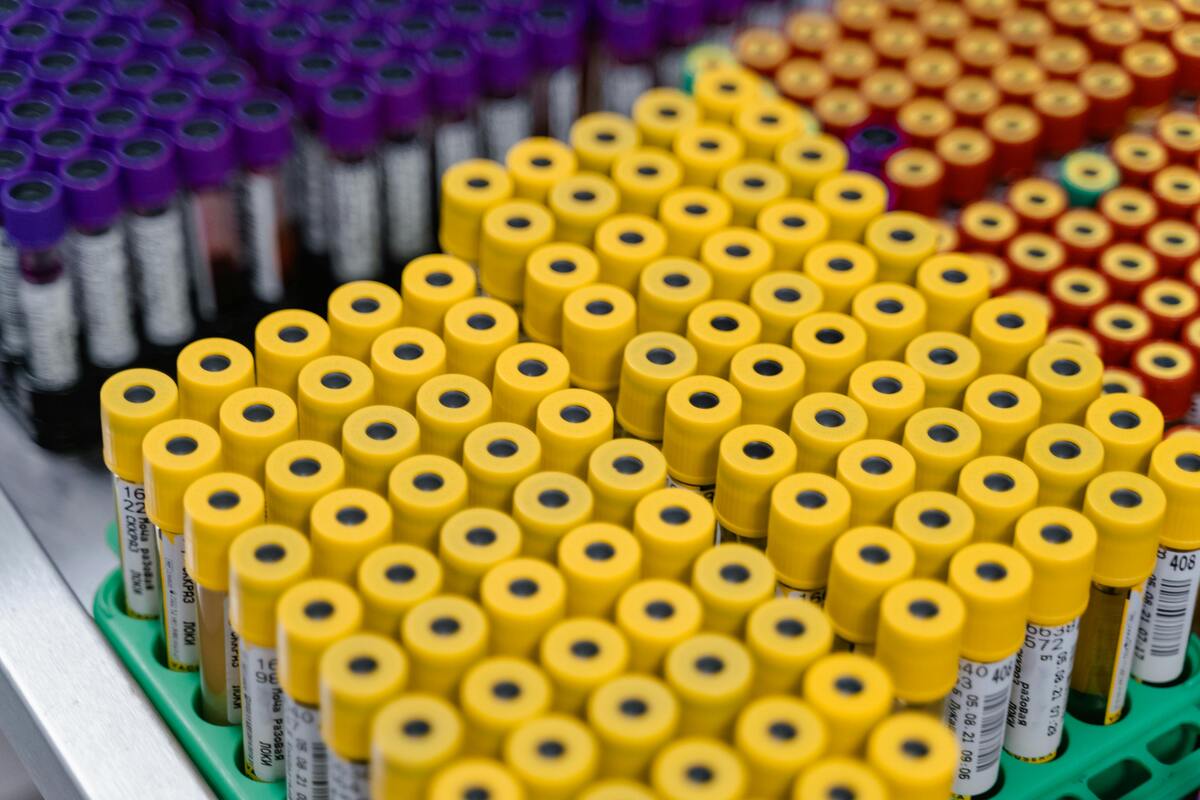
The management of diverse biological specimen repositories represents a sophisticated logistical undertaking that necessitates exacting precision. Such rigorous oversight is critical because these assets, including tissues, blood derivatives, and DNA, often represent years of research and are functionally irreplaceable.
To ensure the long-term viability of these specimens, implementing the best practices for biological sample management is imperative. By integrating scalable digital tracking, standardized staff training, and rigorous environmental controls, facilities can maintain sample integrity, particularly under the stringent requirements of ultra-low-temperature storage.
What is the Meaning of Sample Management?
Sample management is the systematic process of collecting, labeling, handling, tracking, organizing, storing, and disposing of high-value materials throughout their lifecycle. Going beyond simple storage, this practice involves maintaining a strict chain of custody and optimal environmental conditions.
Without a comprehensive strategy, laboratories risk data loss, cross-contamination, and wasted resources. Bridging this gap requires efficient management, which is mandatory for ensuring the integrity, quality, and traceability of all specimens stored in biological sample storage systems.
Six Steps to Optimize Biological Sample Integrity
Establishing a systematic sample management framework enables you to implement these six protocols to protect your research assets and streamline daily operations.
1. Implement Scalable Digital Tracking
Tracking begins by assigning a distinct identifier to every item in your inventory. Facilities typically achieve this through barcoding, which assigns each biological sample a specific ID to eliminate errors associated with manual labeling. However, a static spreadsheet is often insufficient for modern research needs.
Your tracking system must be scalable to handle increasing volumes and new data subcategories. Effective digital tracking, often achieved through a Laboratory Information Management System (LIMS), ensures that the entire history and current location of specimens in ultra-low-temperature storage are instantly retrievable. This infrastructure prevents lost samples and reduces the time researchers spend searching for specific vials.
2. Mandate Consistent Handling Training
The efficacy of sophisticated laboratory instrumentation is ultimately dependent upon the proficiency of its operators. Therefore, facilities must prioritize regular training on aseptic techniques and proper biological sample handling protocols.
Precision and consistency are required during laboratory sample preparation to prevent contamination and potential degradation. When every team member follows the standardized handling procedures, you achieve greater reproducibility and longevity for your stored materials.
3. Maintain Optimal Ultra-Low Temperature Storage Conditions
The physical environment of your biological storage dictates the lifespan of your research materials. Consequently, different biological samples demand varied storage conditions to maintain stability. While certain common reagents and enzymes remain stable at -20°C, more sensitive specimens, such as cells and tissues, often require ultra-low-temperature storage.
Dependable temperature-controlled units and scientific refrigeration systems function as the technical foundation of your facility. Beyond simple installation, optimal storage involves regular audits and continuous monitoring to ensure every laboratory specimen storage unit provides ideal conditions. A fluctuation of even a few degrees can trigger micro-thawing events that crystallize and damage sensitive cellular structures.
4. Streamline Retrieval and Processing Workflows
Efficiency in your facility directly correlates with reduced exposure risk for your samples. Modern laboratory design addresses this by prioritizing equipment placement to minimize the distance between storage and workstations. This strategic layout allows staff to navigate from storage to the bench without unnecessary delays, ensuring every movement is intentional.
Identifying a specimen's location quickly reduces ambient air exposure and the duration a unit remains open. By optimizing retrieval, this process for biological sample management limits the time a biological sample spends outside temperature-controlled units, preserving viability while protecting surrounding assets from temperature spikes.
5. Utilize Technology for Environmental Control
Modern facilities must move from reactive to proactive monitoring to protect their high-value inventory. For example, the long-term viability of biological samples, ranging from human tissues to purified DNA, depends entirely on a constant, uninterrupted climate. Preserving this environmental consistency requires an automated oversight system that functions independently of manual checks.
By adopting these technological solutions, labs receive real-time alerts for even minor fluctuations in biological storage conditions. This preventive approach allows staff to intervene immediately if a compressor fails or a door is left ajar, ensuring that ultra-low-temperature environments remain within spec and protecting years of irreplaceable research.
6. Establish Systematic Disposal Protocols
Managing the end-of-life process for samples is just as significant as their preservation. Establishing standardized removal protocols ensures the facility meets both safety and regulatory requirements. Furthermore, maintaining a lean inventory is a physical requirement for optimal equipment performance, as overfilled freezers suffer from poor air circulation that puts all contents at risk.
Clear guidelines on how and when to dispose of biological sample waste ensure labs manage hazardous materials safely. Adhering to these standards by regularly culling expired or unnecessary samples maintains a clean working environment in the laboratory specimen storage area. This practice ensures your high-tech storage capacity is reserved for viable, valuable assets.
Optimize Sample Integrity with IT Tech's Specialized Solutions
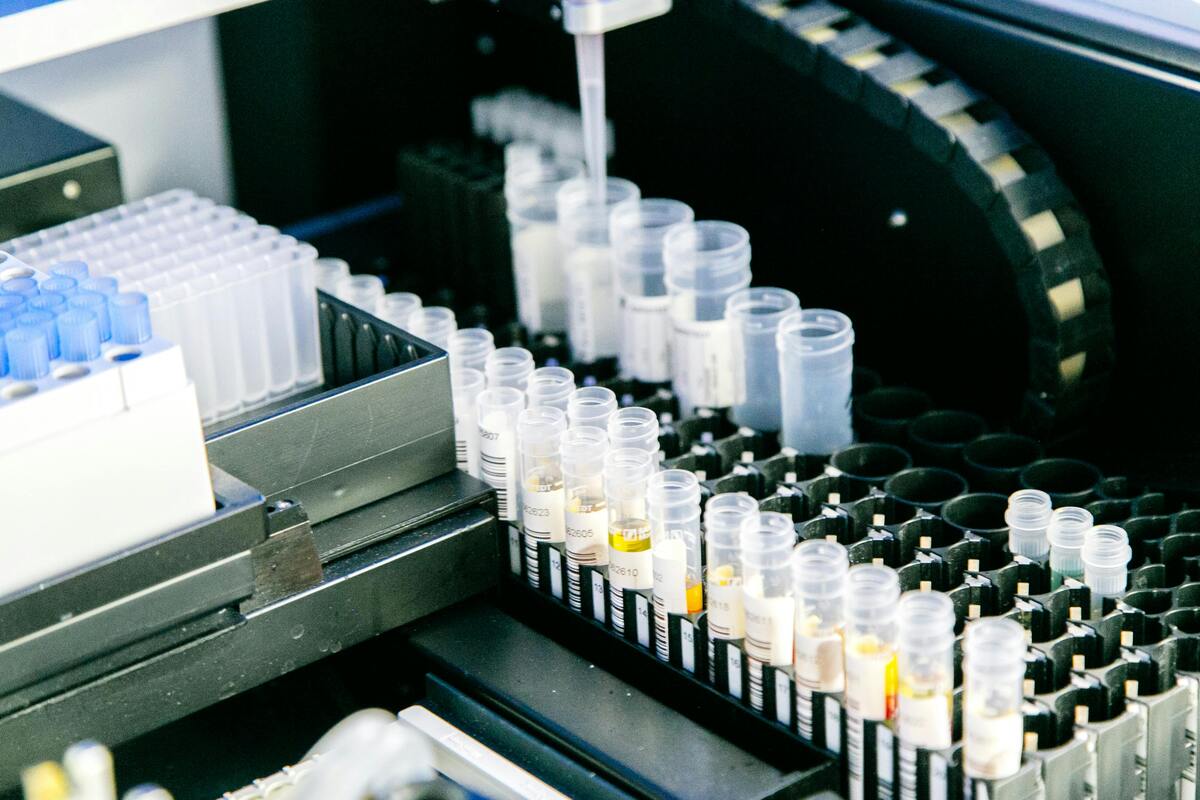
Reliable biological sample management relies on three factors, including strict protocols, expert training, and dependable equipment. The integrity of every biological sample relies on specialized cold-storage units designed to withstand the rigors of daily laboratory use.
IT Tech is a trusted lab service provider offering high-quality lab freezer and lab refrigerator units, coupled with the expertise to design and support your cold chain protocols. We understand that your furniture and equipment are strategic assets in the accuracy of your science.
Partner with IT Tech to fortify your laboratory’s thermal stability and protect your life’s work.
Products You may Like
Check out other IT- Tech product that suit your taste
Subscribe to our newsletter
Stay updated with IT-Tech Insights
Related posts
Check out other IT- Tech Scientific Resources

.png)