













Maximizing Lab Efficiency: What Are Bioreactors Used For?
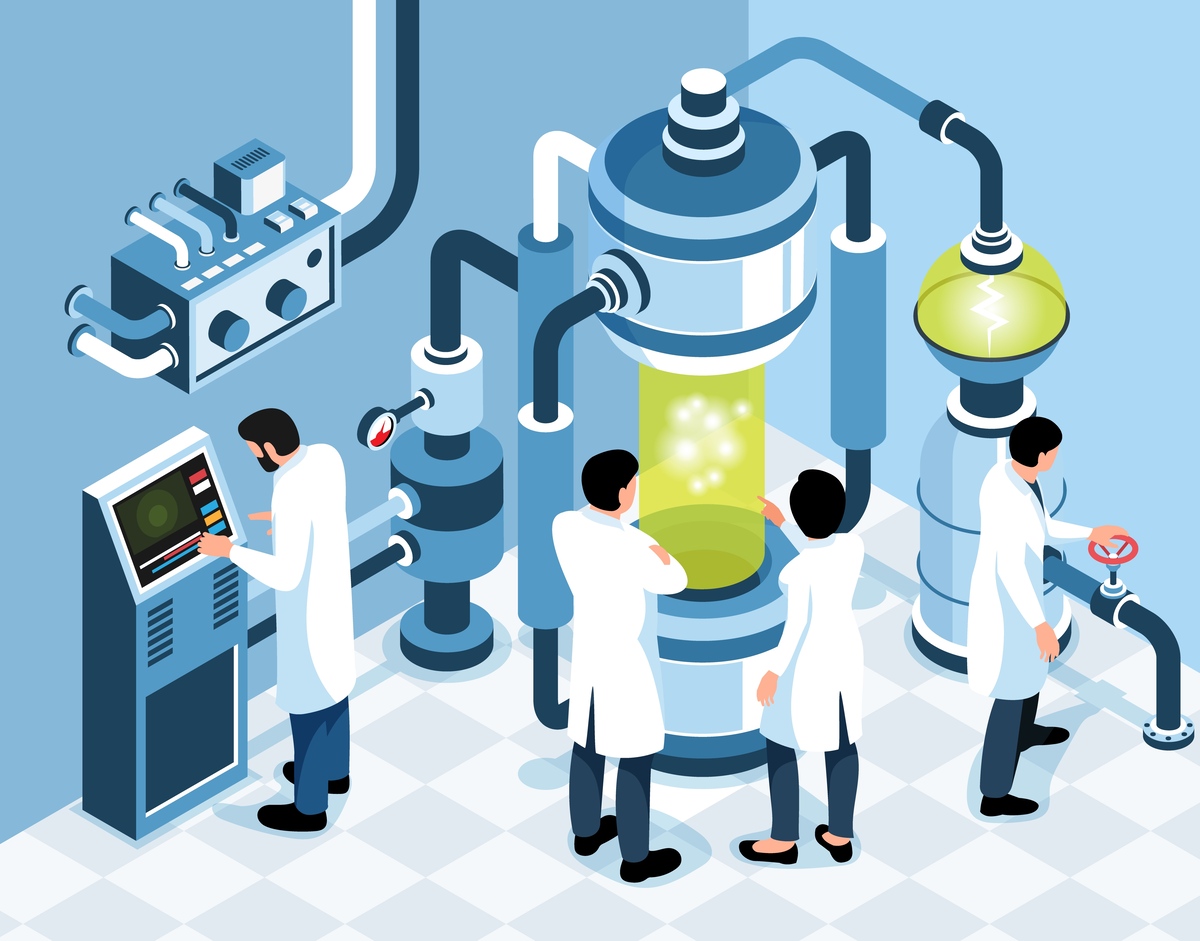
A bioreactor is defined as a device or system that is used to create a perfectly controlled environment for cultivating cells, microorganisms, and tissues. This technology enables researchers to surpass the limitations of traditional flasks by providing precise control over growth conditions.
Leveraging the right bioreactor allows labs to achieve the scalability, consistency, and high yields essential for modern research and production.
What is a Bioreactor Used For?
A bioreactor establishes and maintains the optimal conditions required to unlock the full potential of your culture. To maximize cell growth and product yield for items such as therapeutic proteins or vaccines, the system meticulously monitors and regulates critical variables. These include temperature, pH, nutrient levels, and dissolved oxygen, ensuring the entire culture remains stable and homogenous. This high level of control ensures that every batch is consistent, resulting in reliable and reproducible results.
Furthermore, this technology provides a truly scalable and dynamic alternative to traditional static cultures. In a standard flask, for instance, conditions can become inconsistent, leading to issues like nutrient gradients and poor gas exchange that limit growth. A bioreactor directly addresses these challenges through features such as active mixing and continuous monitoring. This approach guarantees a uniform environment for every cell. As a result, it is the ideal solution for scaling up any process, from initial research to full-scale production.
Key Features and Components of Bioreactors for Efficient Operation
A modern laboratory bioreactor integrates several key components that work in unison to maintain a perfect growth environment. The seamless synergy between these parts is what ultimately ensures the system's overall stability and delivers unparalleled performance. It involves recognizing how these parts contribute to the system's overall stability and performance.
- Vessel: The main body of the bioreactor, typically made from borosilicate glass for easy observation in research settings or robust stainless steel for larger, industrial applications. It provides a sterile enclosure for the biological process.
- Stirring System: An impeller or agitation mechanism ensures the culture medium is uniformly mixed. This distributes nutrients evenly, prevents cell settling, and maintains consistent temperature throughout the vessel.
- Sensors: Probes and sensors are the eyes and ears of the system, providing real-time data on critical parameters like temperature, pH, dissolved oxygen, and cell density.
- Control System: As the brain of the operation, this system interprets data from the sensors and automatically adjusts conditions, such as adding nutrients or regulating gas flow, to keep the environment stable and optimized for growth.
Choosing the Right Bioreactor for Your Lab's Needs
The effectiveness of bioreactor technology hinges on selecting the right type for your specific application. While many specialized designs exist, most bioreactors can be grouped into these types, based on their operational mechanics and intended use:
1. Stirred-Tank Bioreactors
As the industry standard, the stirred-tank bioreactor is the most versatile and widely used design. It uses a mechanical impeller to ensure a completely homogenous culture environment. Its robust, versatile design offers proven scalability, making it ideal for everything from small-scale R&D to large-scale industrial production.
2. Perfusion Bioreactors
Designed for continuous bioprocessing, perfusion bioreactors maintain a steady-state environment by constantly supplying fresh media while removing waste and product. By enabling extremely high cell densities and continuous harvesting, this method boosts overall yield and ensures product consistency.
3. Membrane Bioreactors
A membrane bioreactor (MBR) integrates a semi-permeable membrane that retains cells while allowing liquid media and waste to pass through. This design cleverly combines cultivation with separation, significantly simplifying downstream processing for applications like continuous antibody production.
4. Home Bioreactors
Home bioreactors are compact, user-friendly systems that make advanced bioreactor technology accessible on a smaller scale. They are ideal for academic teaching, proof-of-concept experiments, and specialized hobbyist applications like small-batch fermentation.
Applications for Workflow Optimization
As the various designs demonstrate, selecting the right bioreactor directly addresses and resolves common laboratory bottlenecks. For example, a perfusion system is the ideal solution for automating production and eliminating time-consuming batch cycles, while an MBR streamlines the entire process by simplifying complex downstream purification. Ultimately, aligning bioreactor technology with your specific goals is the key to reducing manual intervention, conserving resources, and streamlining your lab's output.
Your Partner in Maximizing Lab Productivity
Selecting the right laboratory bioreactor is crucial for maximizing your lab's efficiency and ensuring reproducible results. As a premier lab equipment supplier in Singapore, IT Tech provides both high-quality bioreactor systems and expert assistance to ensure you make the best decision for your laboratory needs.
Work with us to learn how we can integrate bioreactors into your operational workflow and accelerate your path to discovery.
Products You may Like
Check out other IT- Tech product that suit your taste
Subscribe to our newsletter
Stay updated with IT-Tech Insights
Related posts
Check out other IT- Tech Scientific Resources

.png)