










.png)









%20Standard.webp)






%20%26%20Metabolites%20Standard.jpeg)
%20Standards.png)











Grades of Nitrogen Gas: How Gas Quality Dictates Lab Gas Piping
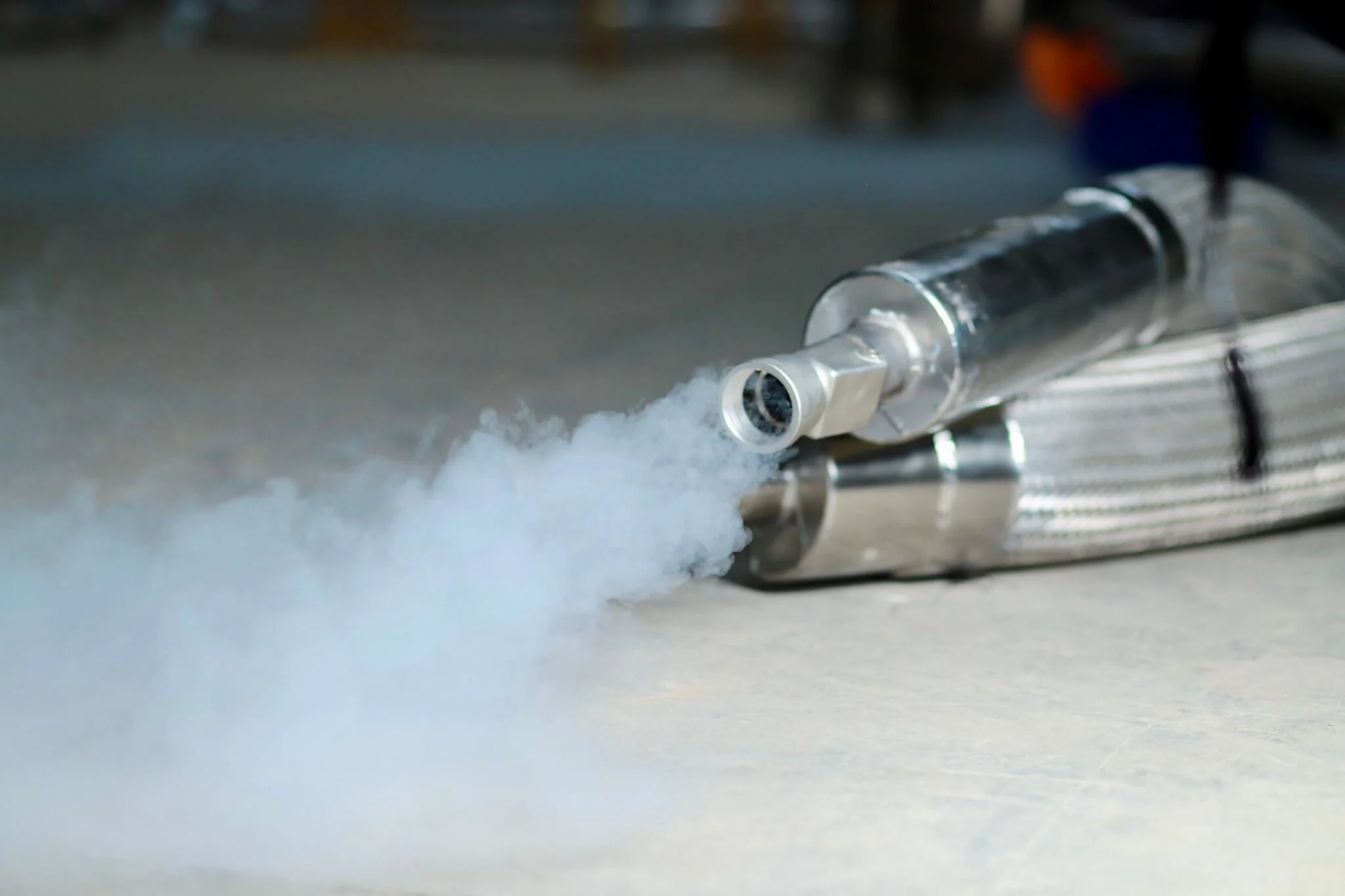
Nitrogen is the predominant inert gas utilized in laboratory environments, performing critical functions ranging from simple inerting to high-sensitivity carrier gas applications. However, given this versatility, a consistent supply alone is insufficient to meet the stringent traceability requirements of modern research. Instead, you must determine the exact nitrogen purity grades needed for your specified application, as using the wrong grade risks critical instrument malfunction or compromised sample integrity.
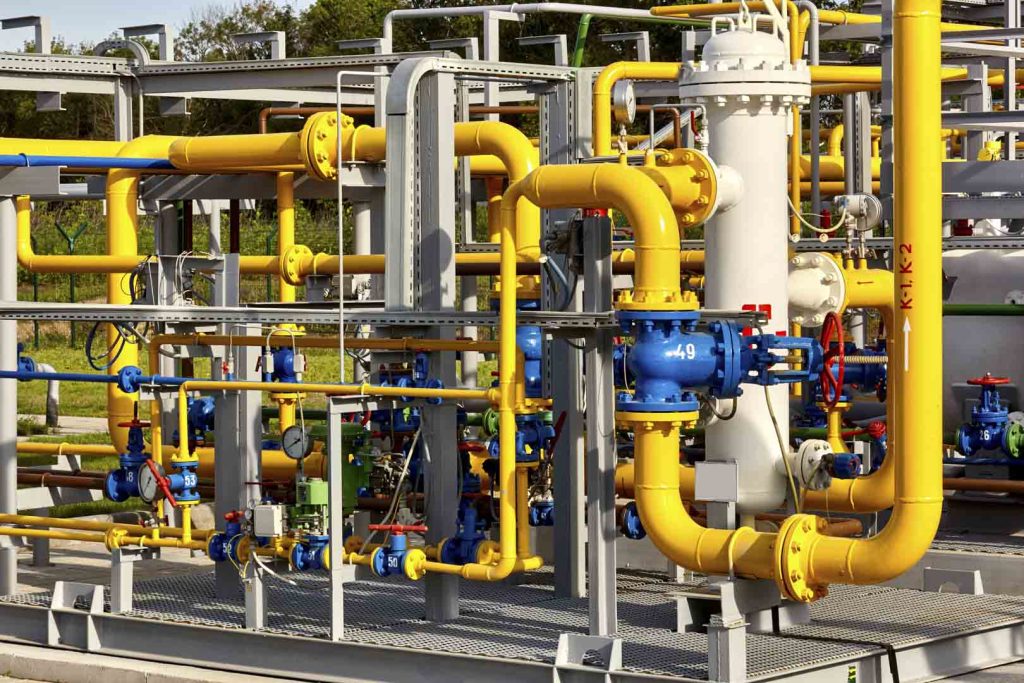
Crucially, the selected purity level dictates the required delivery infrastructure. For instance, you cannot run ultra-pure gas through standard plumbing without risking immediate contamination. This is why a successful gas distribution system relies on correctly comparing gas line materials and filtration methods against your desired nitrogen grade.
What is Nitrogen Purity?
Nitrogen purity refers to the percentage of nitrogen present in a gas mixture relative to trace impurities like oxygen, moisture, or hydrocarbons. While ambient air contains approximately 78% nitrogen, sensitive analytical instruments demand much higher concentrations.
This distinction is vital because even minor impurities can cause oxidation in samples or damage expensive detector columns. Therefore, meeting specific nitrogen grades is not just about compliance, but is also about preventing interference that renders data invalid.
What are the Different Grades of Nitrogen and Their Application?
Selecting the right nitrogen purity grade depends on specific industry standards, as distinguishing between these levels helps facilities cut unnecessary costs while ensuring peak system performance.
General Purpose Nitrogen (90% to 98% | N1.0 - N1.8)
General purpose nitrogen serves as the baseline for applications where establishing an oxygen-reduced atmosphere is sufficient and high precision is not necessary. This grade focuses on volume rather than strict contaminant control for non-critical operations, such as:
- Tire Inflation: Maintains stable tire pressure and reduces rubber oxidation.
- Fire Suppression: Acts as a displacement gas, starving fires of oxygen in large storage areas.
- Mechanical Agitation: Circulated within tanks to keep fluids in motion without introducing chemical reactions.
Industrial Grade Nitrogen (95% to 99.5% | N1.5 - N2.5)
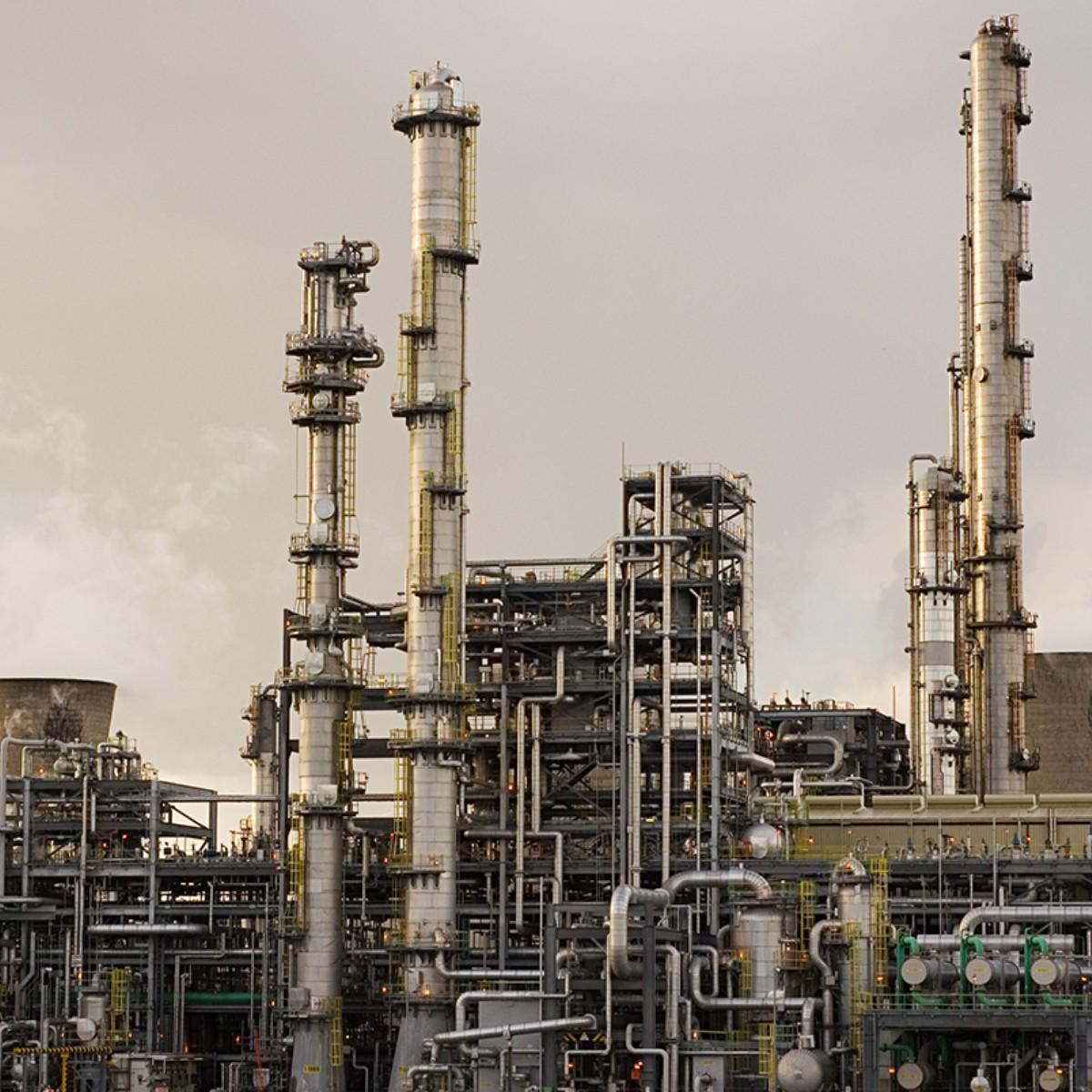
Industrial grade nitrogen purity is the standard for large-scale manufacturing environments. While it tolerates slightly higher levels of oxygen and moisture than laboratory grades, it is clean enough to prevent oxidation in most commercial processes, including:
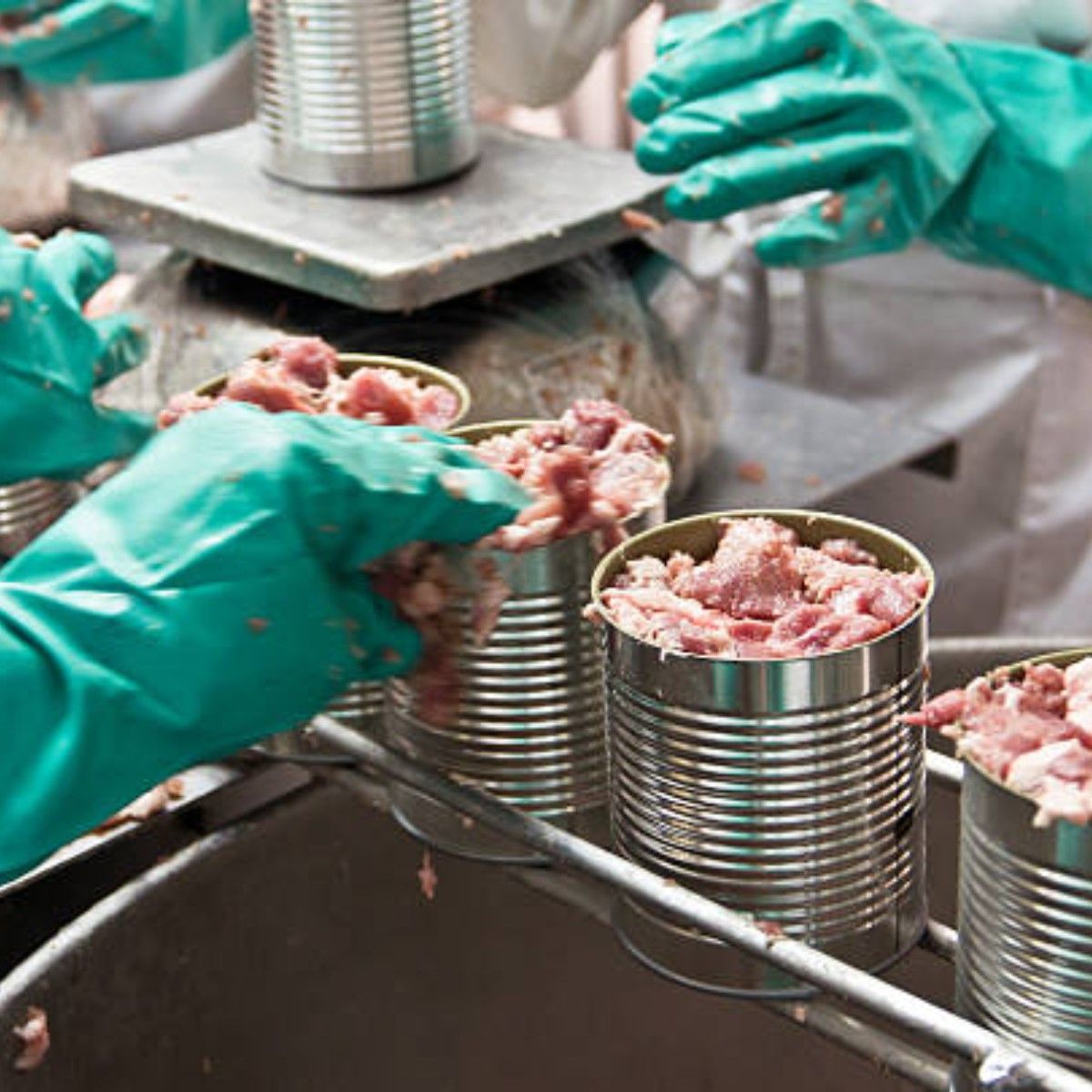
- Food Packaging: Used in Modified Atmosphere Packaging (MAP) to displace oxygen and extend shelf life.
- Semiconductor Manufacturing: Critical for peripheral processes like adhesive blanketing, where nitrogen shields sensitive epoxies from moisture to prevent premature curing, and parts cleaning, which uses pressurized gas to remove contaminants from tool surfaces.
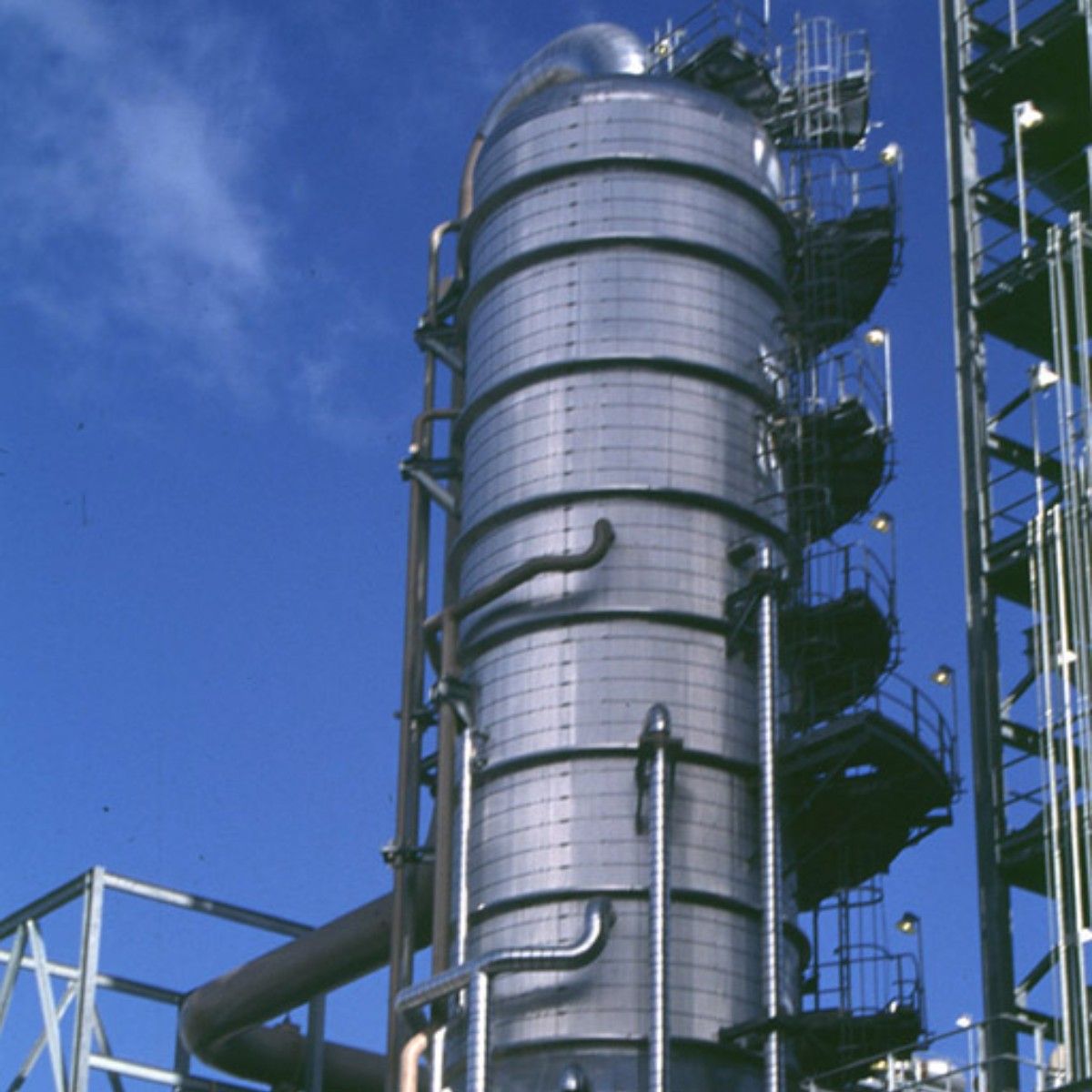
- Power Generation: Vital for boiler layup to prevent rust during outages, demineralized water blanketing to stop oxygen from contaminating water supplies, and gas seal purging.
High Purity Nitrogen (99.9% to 99.999% | N3.0 - N5.0)
To minimize interference that could compromise sensitive data, high purity grade nitrogen is specified when trace contaminants must be kept below strict parts-per-million thresholds. It is often the minimum requirement for maintaining the integrity of a gas distribution system in a laboratory setting, particularly in:
- Soldering: Prevents oxidation during wave soldering and reflow processes, ensuring strong electrical connections.
- Semiconductor Fabrication: Purges environments during the photolithography and etching steps.
- Pharmaceutical Manufacturing: Safeguards active ingredients remain uncontaminated during processing. Strict adherence to medical grade nitrogen protocols is often required for this application.
Research Grade Nitrogen (99.999% to 99.9999% | N5.0 - N6.0)
Research grade nitrogen provides the high integrity required for scientific exploration and advanced experimentation. It ensures that the gas introduced into the system does not contribute any experimental error or background noise.
- Mass Spectrometry: Used as a collision gas or for nebulization, where impurities would create ghost peaks.
- Calibration Standards: Acts as a balance gas for preparing precise calibration mixtures.
- Advanced Metallurgy: Protects reactive metals during heat treatment and sintering processes.
Ultra-High Purity Nitrogen (99.999% and above | N5.0+)
Being the top of the nitrogen gas purity grades, ultra-high purity (UHP) nitrogen is free of all impurities, including inert gases like argon. It is reserved for the most demanding applications where the slightest contamination could result in catastrophic failure or invalid data.
- Gas Chromatography (GC): Acts as a carrier gas for routine testing where extreme sensitivity is not required.
- Nanotechnology: Used in the synthesis of nanomaterials, where surface purity is mandatory.
- Cryogenic Research: Employed in experiments requiring an absolutely controlled atmosphere at low temperatures.
Nitrogen Purity Applications and Engineering Factors
To check nitrogen purity, oxygen analyzers measure residual oxygen levels, which inversely define the nitrogen content. Beyond verification, engineers must balance three critical variables during system design:
1. Application Sensitivity
Sensitive instruments such as mass spectrometers cannot tolerate fluctuations in purity. Therefore, matching your supply source to your instrument's sensitivity is critical for preventing data errors. To eliminate the risk of contamination inherent in cylinder exchanges, professional nitrogen generators are often the preferred choice.
2. Purity vs Acquisition Cost
Higher purity comes with a higher price tag, making it essential to match the nitrogen grade to your actual budget. For example, if your process doesn't require ultra-high precision, opting for industrial grade nitrogen is a smart way to cut costs without sacrificing performance quality.
3. Safety Standards
Industries such as the pharmaceutical and food sectors are strictly regulated, especially regarding the types of lab gases that come into direct contact with their products. To stay compliant, facilities must adhere to rigorous safety and handling protocols.
Optimize Gas Purity with IT Tech's Laboratory Gas Piping Solutions
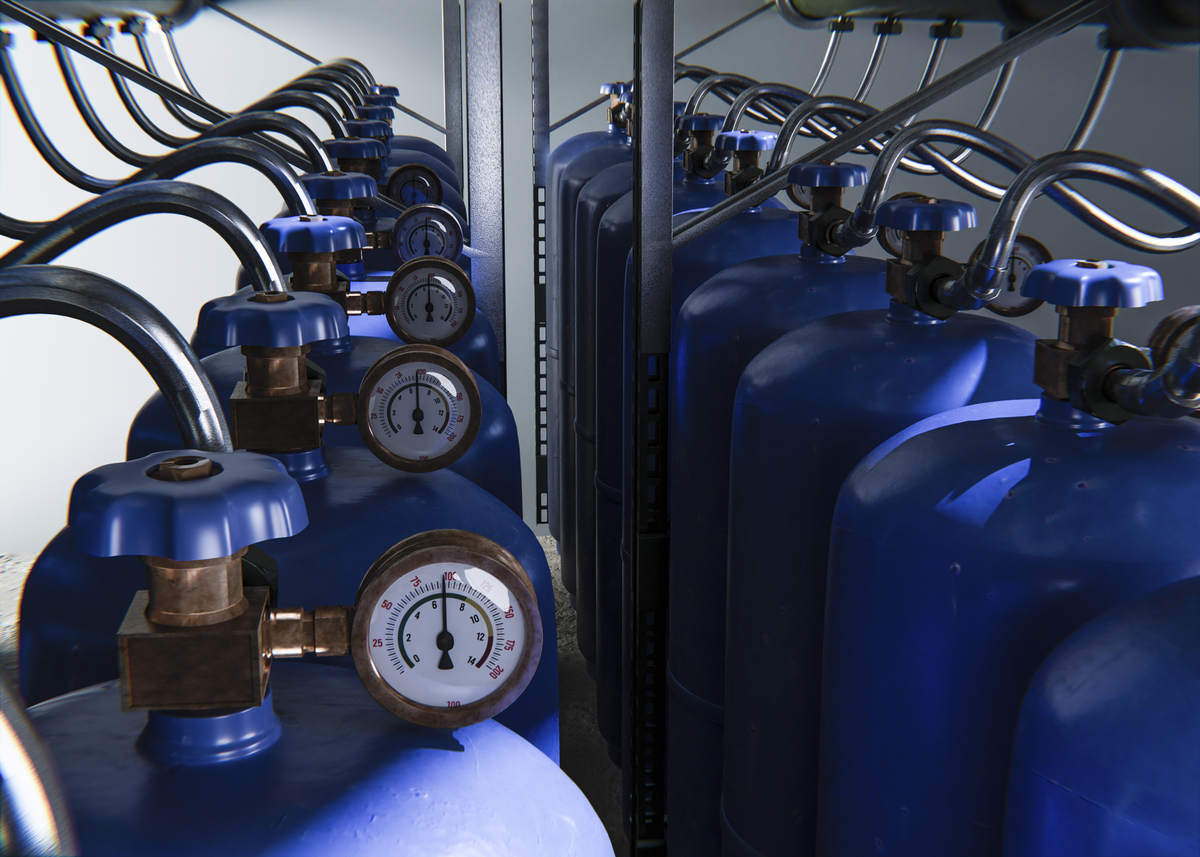
Selecting the correct nitrogen specification is fundamental to maintaining data integrity and operational safety. Whether your application requires industrial grade for basic blanketing or ultra-high purity for trace analysis, the gas quality must be supported by the proper infrastructure.
IT Tech provides specialized gas piping installation tailored to your targets. As a premier lab service provider, we offer end-to-end expertise to guarantee that piping materials match the exact purity required. We employ gas piping optimization techniques and rigorous leak detection to maintain system integrity and secure research reliability.
Contact IT Tech specialists today to design a gas distribution system that guarantees performance and safety.
Products You may Like
Check out other IT- Tech product that suit your taste
Subscribe to our newsletter
Stay updated with IT-Tech Insights
Related posts
Check out other IT- Tech Scientific Resources