
















Gas Piping Installation and Distribution Systems
Gas piping and distribution systems are not a one-size-fits-all solution. At IT Tech, we specialize in tailored end-to-end laboratory gas piping solutions. We also determine the optimal system for a particular laboratory by considering a multitude of factors, including the types of gases used, the flow rates required, the number and location of points of use, and the specific safety regulations applicable to the facility. Our decades of experience as a lab equipment supplier ensure every gas distribution system and professional installation meets the highest safety standards in Singapore.


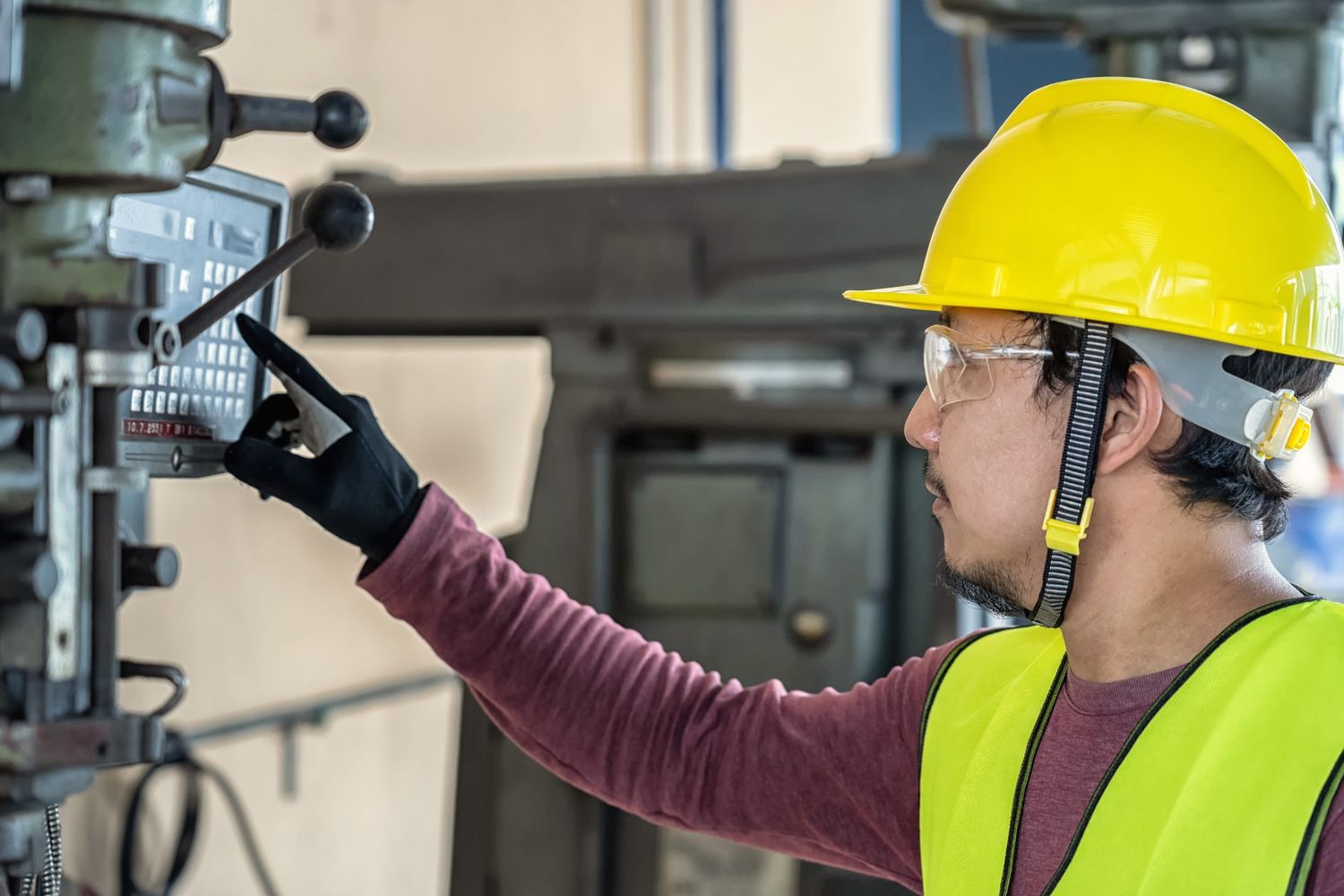
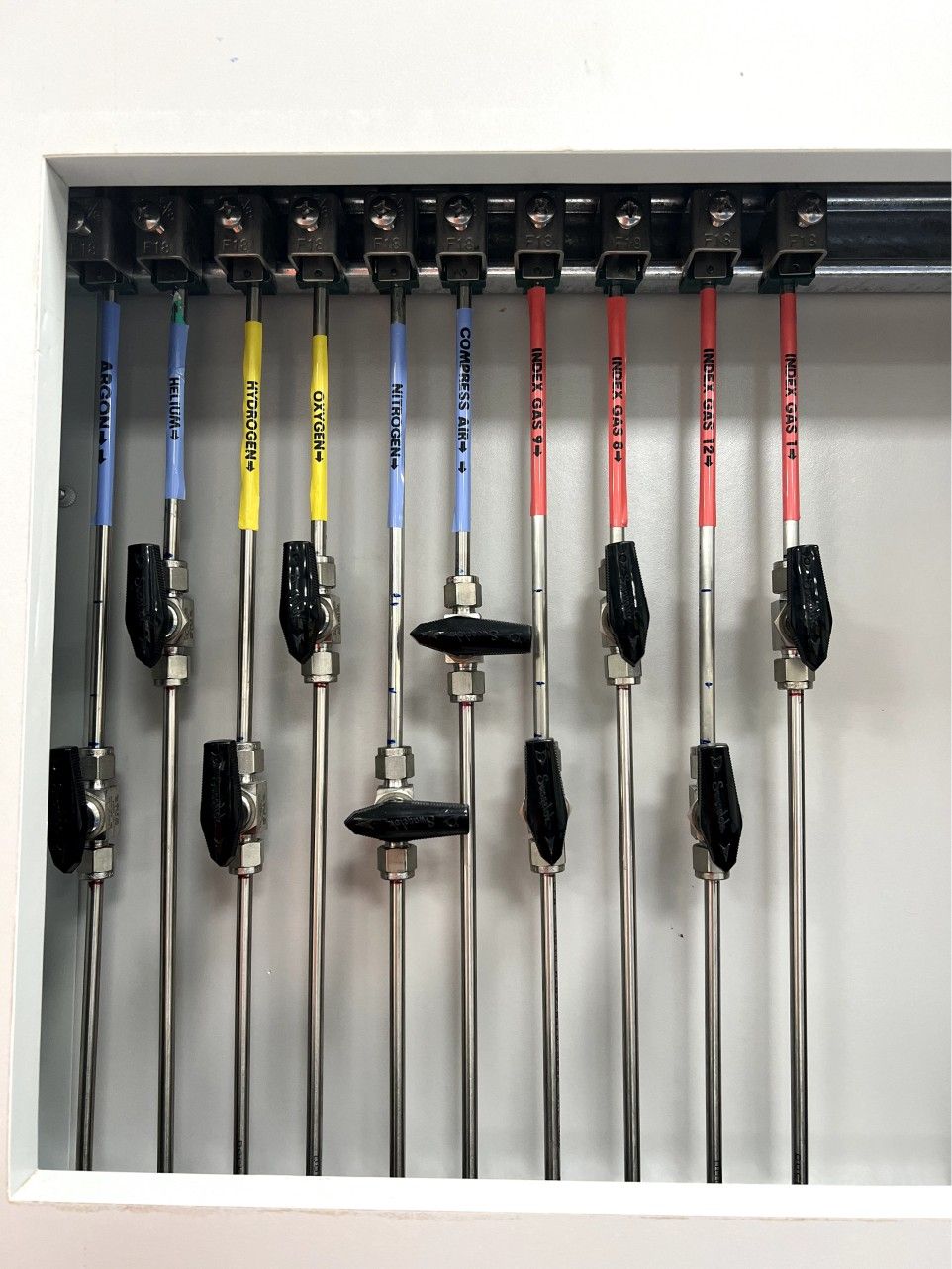
Our Process: Design, Build, and Install
Our comprehensive process ensures a safe, efficient, and fully-compliant gas distribution system from start to finish.
Phase 1: Consultation and Planning
We initiate every project with a collaborative consultation to fully comprehend your unique requirements. This foundational phase precisely defines the scope of your laboratory's gas piping system, encompassing gas types, flow rates, and essential safety protocols to ensure a tailored, effective solution.
Phase 2: Design and Engineering
Leveraging our expertise, we engineer a detailed gas distribution system that is both optimal for your operations and fully compliant with all local safety standards in Singapore. This phase also includes meticulous planning for a seamless gas pipe installation for your lab construction.
Phase 3: Installation and Commissioning
Our technicians execute the gas piping installation with precision, using high-quality materials and methods. We then rigorously test and commission the system to guarantee its safety, integrity, and flawless operation.
Phase 4: Maintenance and Support
Our commitment extends beyond installation, which is why we also provide comprehensive maintenance and support. By maximizing the lifespan of your gas distribution system, we ensure uninterrupted, safe operation for your laboratory.
Key Components of Our Gas Systems
Gas Regulators: Controlling the Flow
Gases Covered:
- High purity gases - Helium, argon, nitrogen, hydrogen, air and oxygen, which are used as carrier gases to vehicle sample to the detector. They need to be of very high purity so as not to affect the analytical results or the analytical equipment.
- Specialty gases - Gaseous chemicals such as ammonia, carbon monoxide, ethylene oxide, hydrogen sulphide, and many more are used in various industries for applications like surface hardening, furnace burning, etc. We are able to supply different specifications for gas distribution systems according to the customer’s requirements.
Types of Regulators:
- Line regulator - single stage or dual stage
- Point of us regulators
- Cylinder regulators

Gas Manifolds: Distributing the Flow
Types of Manifolds:
- One source
- Two sources (Manual, semi-automatic, and automatic changeover systems)
- Three sources (Manual changeover system)

Gas Piping: The Backbone of the System
Ventilation Checks
- Pipes and tubing are in compliance with local authorities (Singapore Civil Defence Force and Qualified Engineers)
- Diameters: 1/4" inch - 2" inch
- Material: Stainless steel, copper
- Methodology: Welding, Compression Fitting, Double Containment for Flammable gases
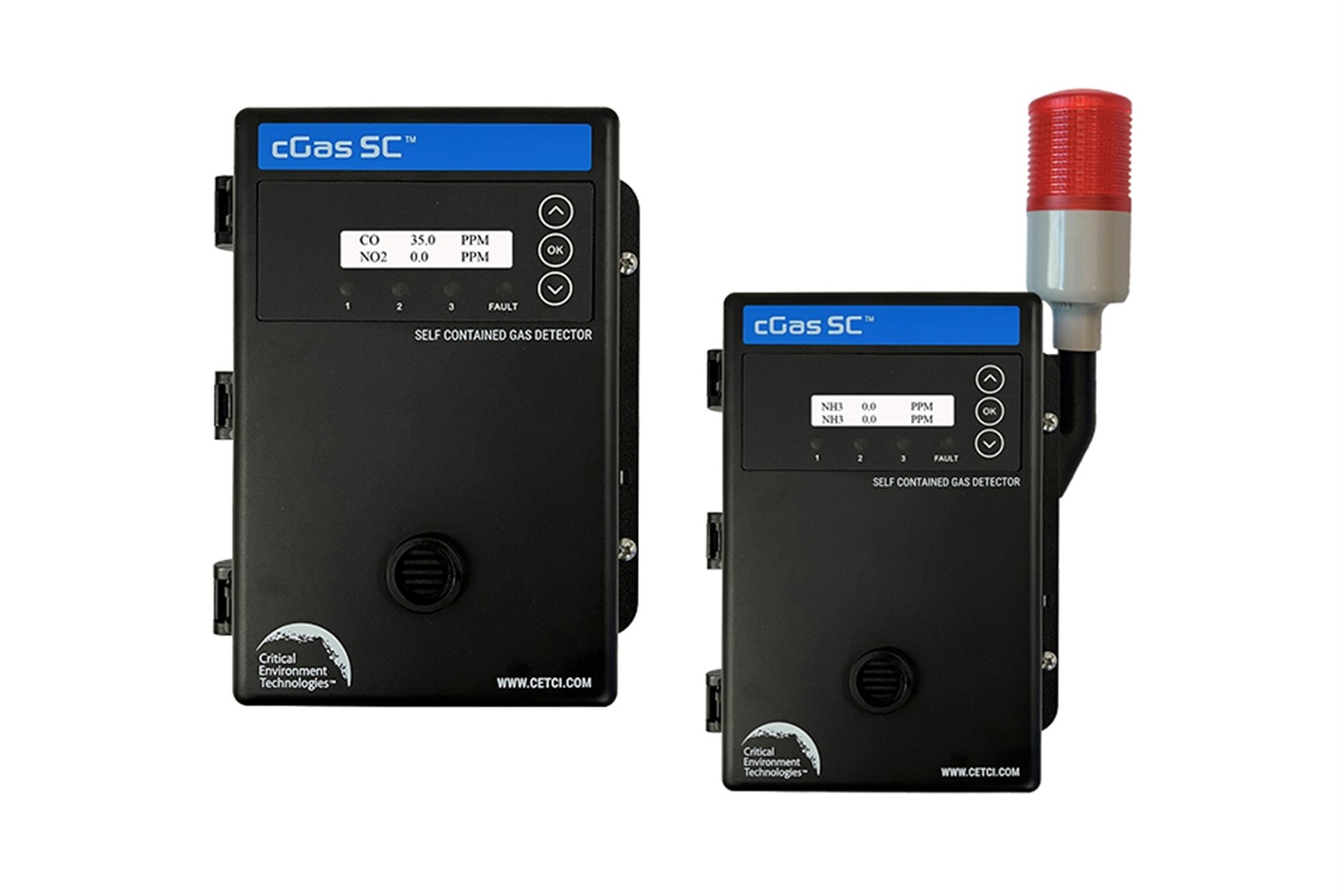
Gas Detectors and Sensors: Monitoring for Safety
Types of Gas Detectors and Sensors:
- Detector Digital Transmitter - Ammonia, Carbon monoxide, Carbon dioxide, Hydrogen, etc.
- Detector Analog Transmitter
- Detector Refrigerant Transmitter
- Remote Sensor - Acetylene, Hydrogen, Methane, Propane
- Explosion Proof Transmitter
Safety Considerations
The design and installation of a gas distribution system must prioritize safety to mitigate significant risks. What’s more, poorly implemented laboratory gas piping systems can pose several serious hazards, including:
Gas Leaks
Leaks can release flammable, toxic, or corrosive gases into the laboratory. Therefore, the gas piping installation process should include rigorous leak testing and material selection to ensure the integrity of the system and protect both personnel and equipment.
Fire and Explosion Hazards
Flammable gases like acetylene and hydrogen require a gas distribution system built with fire-resistant materials and robust safety features. As such, the designs for gas piping must include safeguards to minimize fire risks and prevent explosions from occurring under high-pressure conditions.
Toxicity and Corrosion Hazards
Toxic gases such as carbon monoxide and hydrogen sulfide necessitate a gas distribution system that is meticulously sealed and monitored with integrated gas detectors. Furthermore, the use of corrosion-resistant materials like stainless steel ensures the longevity and safety of the gas piping infrastructure, preventing degradation from corrosive gases.
Industries Served
Our expertise in gas piping and distribution systems extends to a wide range of industries.
Healthcare and Clinical Laboratories
Aside from providing laboratory furniture, we also offer precise gas piping installation for medical gases. At the same time, we ensure sterile and safe environments, adhering to the highest standards for patient care and diagnostic accuracy.
Research and Development Facilities
For R&D, we offer custom gas distribution systems tailored for complex research. We support innovative projects by installing advanced laboratory gas piping that handles a variety of specialty and high-purity gases.
Educational Institutions
We support the next generation of scientists by installing safe and durable gas piping in university and school labs. We can design systems that are ideal for both instructional and research purposes, prioritizing student and staff safety.
Pharmaceutical and Biotechnology Companies
For this highly regulated industry, we deliver compliant gas distribution systems essential for drug discovery and bioprocesses. Our expertise ensures the integrity and purity of gases used in sensitive manufacturing.
Environmental and Industrial Testing Labs
We provide reliable gas piping installation for environmental and industrial testing labs that require specific gases for analysis and quality control. Our systems are built to withstand rigorous use, ensuring consistent and accurate results.
Explore More Services
Tap into more solutions, including preventative maintenance, turnkey engineering and construction for new labs, and interior design services to transform spaces. We are your one-stop resource.

Turnkey Laboratory Engineering
Complete lab build solutions, including architectural design, construction, fumehood systems, gas piping, and distribution, delivered seamlessly based on your specifications.

Interior Design - Across Industries
Full suite interior services including space planning, fit-outs, walls, carpentry, doors, painting, demolition, reinforcements, and construction for visual, functional transformations of business environments.


Optimize Your Lab with Reliable Gas Piping
Enrich your scientific journey with a robust and reliable laboratory gas piping solution from IT Tech. Our comprehensive services, including gas distribution system installation, unlock your lab's full potential and ensure excellence at every stage of your work.
Frequently Asked Questions
Got questions? We've got answers. Explore our FAQs for quick solutions and information.
Laboratories commonly need gas distribution systems for inert and reactive gases. Inert gases like argon, helium, and nitrogen create unreactive environments for experiments and are used as carrier gases. Reactive gases such as ammonia and hydrogen sulfide are used as reagents or catalysts in various chemical processes.
Stainless steel is the preferred material for laboratory gas piping due to its exceptional resistance to corrosion, high purity, and durability. It ensures the integrity of the gas supply by preventing contamination, which is crucial for maintaining the accuracy of scientific results.
The typical process for a gas piping installation begins with consultation and planning to determine requirements. This is followed by a meticulous design phase, precision installation by certified technicians, and a final commissioning to ensure the system is safe and fully functional.
The most reliable way to detect leaks in gas distribution systems is by using detectors and sensors, which continuously monitor the concentration of gases in the air. These systems are strategically installed to trigger alarms or even shut off the gas supply in the event of a leak.
Yes, all gas piping installation work in Singapore must comply with the Singapore Standard SS 608:2015, which specifies essential requirements for safe and good practices in gas service work. It covers the design, materials, installation, testing, and maintenance of gas installations.
Regular maintenance is crucial for the safety and reliability of gas distribution systems. This includes proactive measures such as inspections, pressure and leak testing, and valve checks. It also involves corrective actions like leak repair and component replacement, ensuring the system remains in top condition.
Choosing the right gas distribution system requires considering your lab's specific gases, flow rates, and layout. For a customized solution that meets your unique needs and safety requirements, we recommend contacting the experts at IT Tech for a professional consultation and plan.





How can i help you today?
.png)