





















Laboratory Data Integrity: Key Principles for a Compliant and Reliable Lab

Every lab aims for results that are dependable, defensible, and accurate. Achieving this standard depends on a commitment to laboratory data integrity. It's the complete framework for how data is generated, recorded, and maintained to ensure its trustworthiness from start to finish.
Following these principles transforms your evidence into an asset that supports your work, rather than a liability that creates risk.
What is Data Integrity?
At a high level, data integrity refers to the maintenance and assurance of information precision and consistency over its entire lifecycle. It means that the entries you record are complete, sound, and unchanged from their original state. For any subsequent findings to be valid, they must be error-free, reliable, and complete.
What is Data Integrity in a Laboratory Setting?
In a scientific context, laboratory data integrity means that all results generated are a complete and accurate representation of the observations made. To provide a clear and actionable standard, regulatory bodies and quality-focused labs use the ALCOA+ framework. This set of principles helps maintain that information is managed correctly throughout its entire lifecycle, making it trustworthy and defensible.
The framework is broken down as follows:
- Attributable: All evidence must be traceable to the person who generated it and when it was recorded. This means every entry, change, or observation is signed and dated, creating a clear audit trail that answers the questions, "Who did what?" and "When?"
- Legible: Data must be readable and permanent. Whether handwritten in a notebook with permanent ink or stored as an electronic format, the entries must remain understandable for their entire retention period without risk of being lost or obscured.
- Contemporaneous: Information should be logged at the moment it is generated or observed. Capturing results in real-time prevents inaccuracies that can arise from relying on memory and ensures the results reflect what actually happened as it happened.
- Original: The original entry must be the first place the data was captured. This could be an instrument printout, a direct electronic capture from a machine, or the first entry in a lab notebook. All subsequent copies must be certified as true copies of this primary source.
- Accurate: The results must be correct and free from error. This principle covers everything from ensuring instruments are correctly calibrated to preventing simple transcription mistakes, guaranteeing the documented values are a true reflection of the measurement.
The "+" in ALCOA+ adds four more critical attributes that provide a more complete picture of data governance:
- Complete: The entire dataset must include everything, even repeat analyses, failed runs, or deviations. Omitting entries is a serious threat to quality, as a complete record is what provides the full context needed for proper review and analysis.
- Consistent: All logs should be captured chronologically, with date and time stamps following the proper sequence of events. This ensures the records tell a logical and unbroken story.
- Enduring: The data must be stored in a way that ensures it will last for the required retention period. This means using durable materials for physical documents or robust, backed-up systems for digital files that protect them from loss or degradation.
- Available: All files must be accessible for review, audits, or inspections throughout their lifecycle. The archives must be readily retrievable by authorized personnel whenever needed.
Why Does Data Integrity Matter?
Upholding lab data integrity is a fundamental business and scientific imperative. This goes beyond simply meeting regulations. The true goal is to establish a framework of credibility that underpins your entire scientific process.
1. Operational Efficiency
When your readings are trustworthy, you avoid the need for costly and time-consuming rework or repeat experiments. Accurate information accelerates research timelines, enabling faster decision-making and boosting overall productivity.
2. Regulatory Compliance
For many labs, maintaining data integrity is non-negotiable for meeting strict regulatory standards. Adherence to guidelines like ISO/IEC 27001, FDA 21 CFR Part 11, and EU Good Laboratory Practices is mandatory. Organizations that do not adhere to these standards may face regulatory action, such as warnings, fines, or having their study findings nullified.
3. Scientific Credibility
The validity of your research and the defensibility of your findings depend entirely on the integrity of your data. A lab's professional reputation is built on the quality of its output. Systematic, verifiable results reinforce your scientific credibility and establish trust with partners, regulators, and the broader scientific community.
Common Laboratory Data Integrity Threats
Laboratory data integrity can be compromised by a range of factors, stemming from both technological gaps and human-centric processes, such as:
1. Equipment and Supply Inconsistencies
Using uncalibrated equipment or non-traceable consumables introduces variability that can compromise results. An improperly maintained freezer or an inconsistent reagent batch can invalidate an entire study.
2. Manual Data Entry Inaccuracies
Manual reading transcription is a frequent source of human error. A simple typo or decimal shift can corrupt an entire analysis, compromising results and forcing costly delays.
3. Data Fragmentation
Storing files in multiple, unlinked locations, such as paper notebooks, various spreadsheets, and separate instrument files, creates data silos. This fragmentation makes it challenging to get a complete picture and increases the risk of using outdated or incorrect findings.
4. Inefficient Audit Processes
Slow, manual review processes can obscure or delay the discovery of integrity issues. Without a transparent and efficient way to audit lab data, problems can go unnoticed until it's too late.
5. Complex Data Migration
Moving records between systems, especially from older platforms to new ones, presents a risk. Without a proper plan, information can be lost, corrupted, or altered during the migration process.
6. Outdated Legacy Systems
Relying on outdated software or hardware poses security and functionality risks. Legacy systems often lack modern security features and the capability to generate audit trails that meet regulatory requirements.
7. Unauthorized Data Access
Inadequate security controls and user permissions can leave sensitive assets vulnerable. Without proper access management, materials can be accidentally or intentionally altered or deleted.
8. Regulatory Compliance Risks
The regulatory landscape is constantly changing. Failing to keep up with new requirements can put your lab at risk of non-conformance.
Best Practices for Ensuring Data Integrity
A comprehensive lab data integrity strategy combines solid processes, continuous verification, and modern technology.
1. Foundational Processes
- Develop Clear SOPs: Standard Operating Procedures for all information handling must be standardized, accessible, and easy to follow. Well-defined SOPs enforce the same process for everyone, which is foundational to data integrity in a quality control laboratory.
- Implement Rigorous Quality Control: To ensure data integrity in testing, integrate QC checks at every stage of the record lifecycle. These checks help monitor, validate, and verify findings from the sample receipt to the final reporting.
- Provide Continuous Training: All laboratory personnel must be educated on data integrity principles, security protocols, and regulatory requirements. Ongoing training reinforces good habits and keeps the team aware of new threats and standards.
2. Continuous Verification
- Maintain Immutable Audit Trails: Digital systems can create automatic, timestamped records of all actions. These audit trails provide a transparent and defensible history for every piece of information.
- Conduct Regular Internal Audits: Routine on-site checks help proactively identify and rectify any deviations from established standards. Internal audits are a way to test your systems and find weaknesses before they become significant problems.
- Engage in External Audits: Third-party auditors provide an unbiased validation of your systems and processes. Their external perspective can uncover issues your internal team might miss.
- Stay Up-to-Date on Regulatory Changes: Establish a proactive process to monitor and adapt to evolving standards. Staying current with rules like EU GLP, ISO 17025, and 21 CFR Part 11 is a continuous effort.
3. Technological Solutions
- Embrace Digitization: Utilize modern digital tools like a Laboratory Information Management System (LIMS) to centralize findings. They also automate workflows and enhance security by design.
- Establish Robust Security Protocols: Implement clear procedures for archive management. This includes secure access controls, user permissions, and encryption to protect sensitive files.
- Establish a Contingency Plan: Implementing automated backup and disaster recovery protocols is crucial to prevent loss of information. A good plan safeguards your findings so that it is safe even if a system fails.
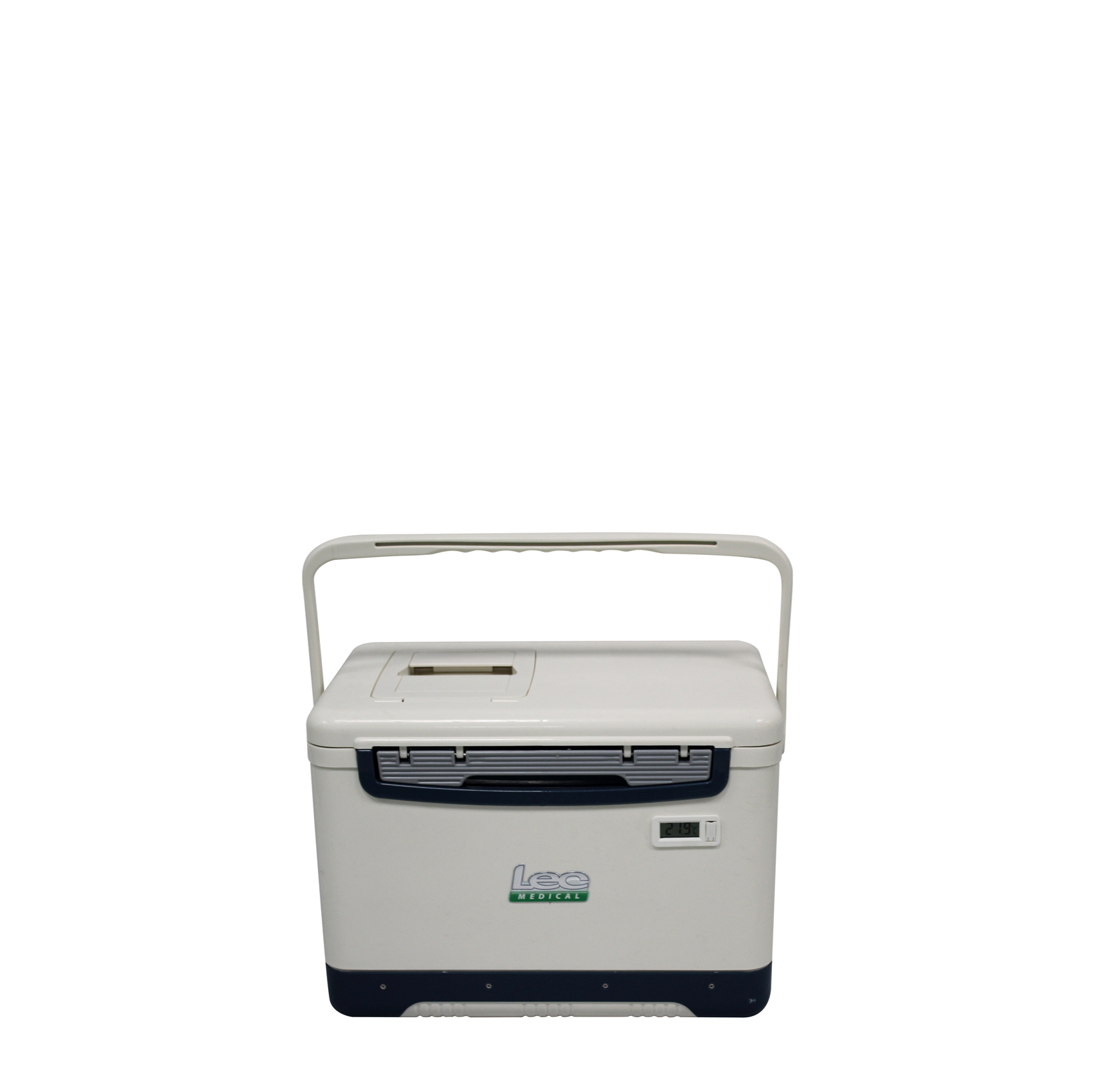
- Leverage the Right Equipment and Supplies: High-quality equipment with embedded digital features minimizes variability and manual errors. Automated logging on balances or freezers, supported by well-designed laboratory furniture, upholds the correctness and trustworthiness of results.
Ready to Build a Foundation of Trust and Compliance?

Upholding laboratory data integrity is a continuous commitment, not a one-time project. It requires a holistic approach that combines your team's training, your lab's processes, and the design of the workspace itself.
As a leading lab equipment supplier in Singapore, IT Tech understands that adherence to standards is built from the ground up. Our laboratory engineering and lab design services focus on optimizing laboratory interiors to support good archiving practices. From complete laboratory construction to providing certified safety storage containers and ergonomic laboratory furniture, we build the entire ecosystem for operational adherence to standards and reliability.
Let us help you create a lab where data integrity is built in, not bolted on.
Products You may Like
Check out other IT- Tech product that suit your taste
Subscribe to our newsletter
Stay updated with IT-Tech Insights
Related posts
Check out other IT- Tech Scientific Resources